‘GBVF continues to deny SA women freedom and safety’: Expert
This is according to Professor Du Toit whose sentiments come as SA wraps up Women's Month.
South Africa's democracy has yet to offer women and children the freedom and safety they deserve, according to Professor Louise du Toit, an expert in sexual violence, rape culture, African feminism and feminist resistance at Stellenbosch University. Du Toit asserts that women's marches today are in response to the unmet promises of the country's political transition and the government's failure to protect its citizens.
She emphasizes that gender-based violence and femicide (GBVF) are major factors impacting women's daily lives and basic rights, and that women are still silenced through GBV.
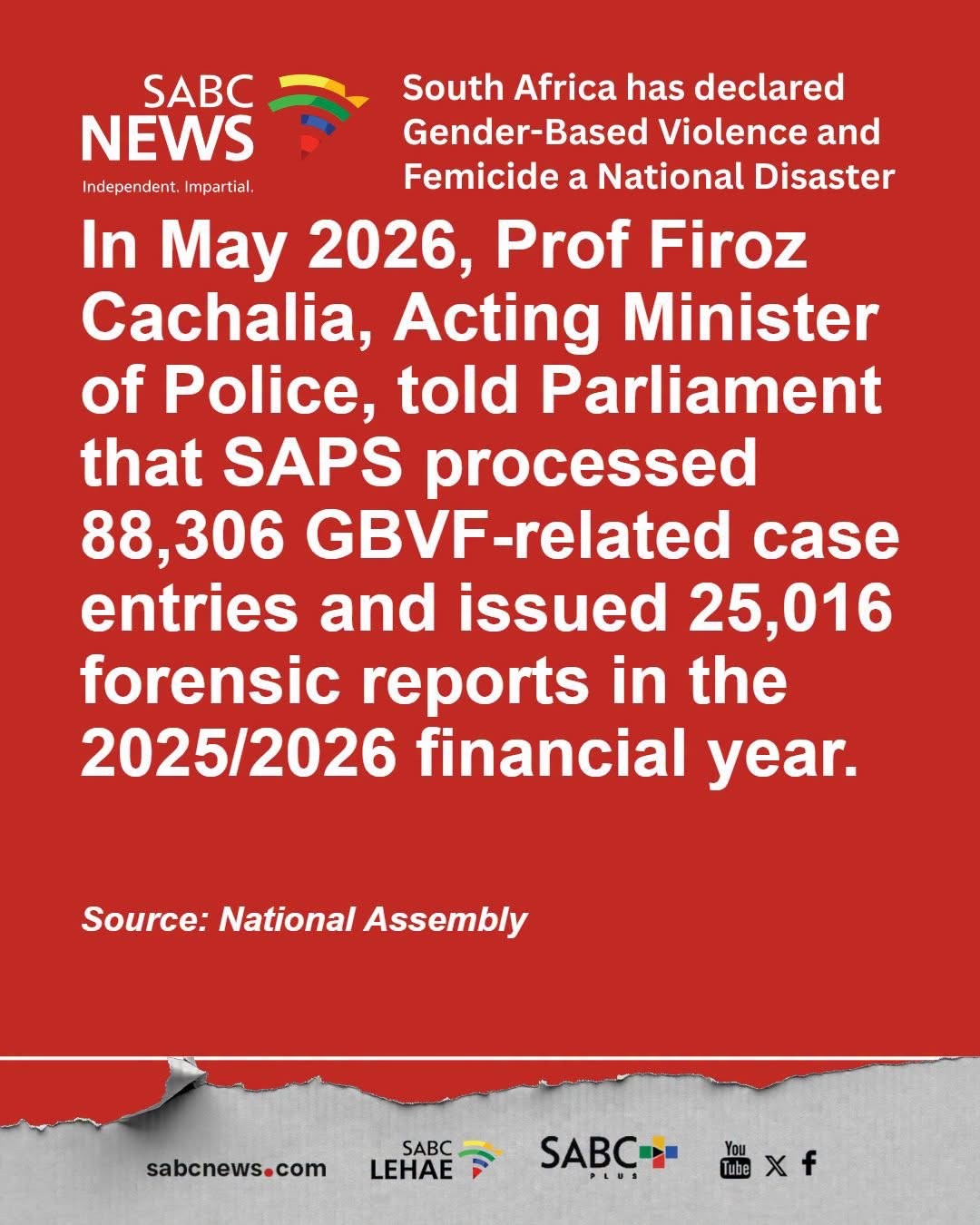
Du Toit notes that South Africa has the highest rates of violence against women globally, but the struggle for women's freedom is far from over as GBV continues to affect the lives of many women. In the 2025/2026 financial year, the South African Police Service (SAPS) processed 88,306 GBVF-related case entries and issued 25,016 forensic reports.
Despite South Africa having a strong Constitution, the protections it offers do not always translate into women's everyday lives. Many women face limited freedom of movement, association and speech due to GBV.
Although President Cyril Ramaphosa declared GBVF a national disaster, Du Toit argues that the declaration should lead to increased funding and better coordination among state institutions. However, she contends that little has changed on the ground, describing it as "lip service" rather than genuine action. Du Toit draws inspiration from the women who marched in 1956, who fought against greater adversity than women today face, adding that contemporary women have more resources and political representation.
Written by urgent.news from SABC News's reporting — not their text. Machine-written — may contain errors; check the original before relying on it.