FROM PATIENTS TO CITIZENS: RETHINKING SCHIZOPHRENIA CARE IN HONG KONG
[The content of this article has been produced by our advertising partner.] In Hong Kong, around 40,000 people live with schizophrenia. Many move through a system designed to stabilise symptoms—reduce hallucinations, manage medication, shorten hospital stays. But once the symptoms are controlled, a more difficult question lingers: what kind of life are people returning to? For Professor Sylvia…
Hong Kong is home to approximately 40,000 individuals living with schizophrenia. The prevailing treatment system aims to manage symptoms, including hallucinations and medication, while shortening hospital stays. However, the question remains: what kind of life do these individuals return to once their symptoms are under control?
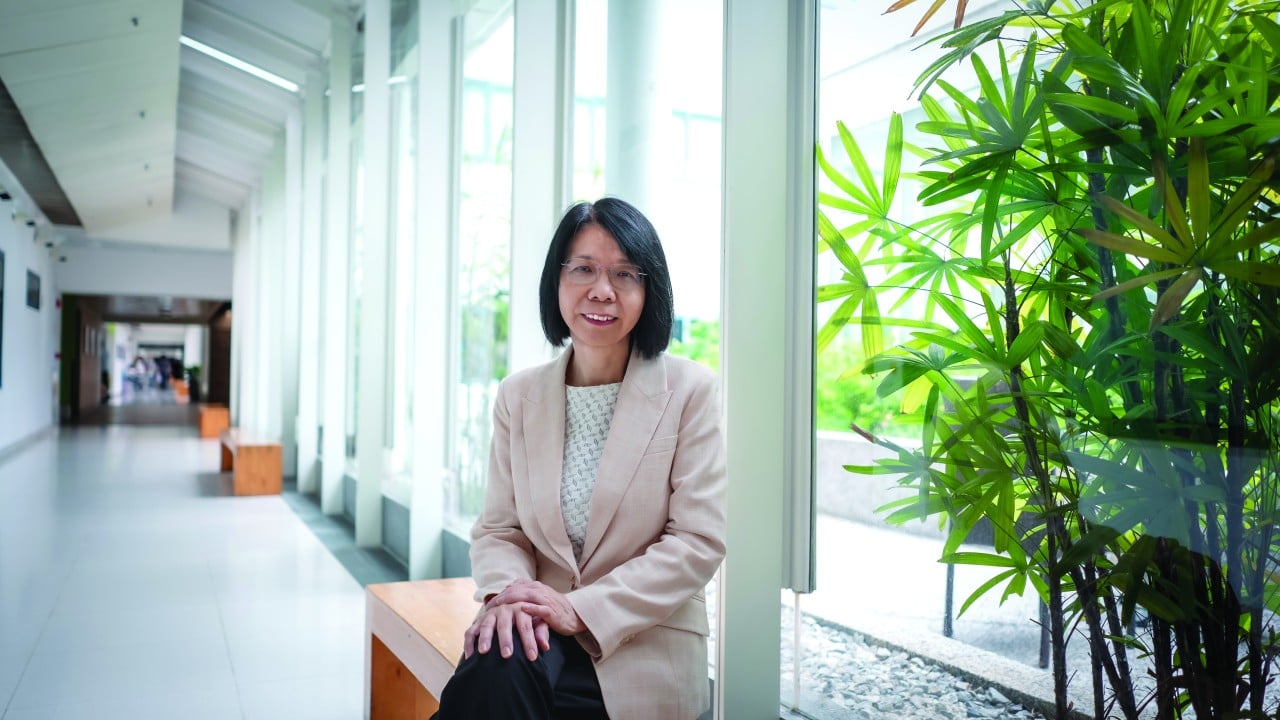
Professor Sylvia KWOK from City University of Hong Kong (CityUHK) believes this question reveals a deeper structural issue. She points out that the current psychiatric service lacks a holistic approach, focusing narrowly on symptom reduction, such as bed occupancy and symptom reduction.
KWOK has been working inside halfway houses in Hong Kong to introduce a new approach that shifts the focus from illness to human potential. She criticizes the existing "deficit model" that predominantly emphasizes what is wrong with the patient, such as hallucinations, social withdrawal, and cognitive deficits. Instead, KWOK advocates for a "strength-based model" that highlights the patient's internal resources, such as character strengths, gratitude, forgiveness, and resilience.
In halfway houses, residents spend one to two years rebuilding routines and preparing for community living. They follow a rehabilitation plan in collaboration with social workers, continue medical treatment, and often work during the day. By incorporating positive psychotherapy and meaning-centred therapy, KWOK has transformed these settings into "micro communities" where residents can build social capital, learn empathy, and regain confidence and agency.
This approach has resulted in improved recovery and well-being, even months after the programme ends.
KWOK emphasizes the importance of meaning-making in schizophrenia treatment, as the condition often disrupts a person's sense of self. Through guided exercises, residents are encouraged to reframe their previous experiences and recognize their capacity for change. This process helps them find meaning in their struggles and transform negative life experiences into positive energy or a coherent narrative of growth.
The success of these strength-based programmes calls for a reevaluation of mental health systems' accountability. KwOK argues that systems should measure success not only by symptom reduction but also by well-being and quality of life. Moreover, she suggests that these effective practices should be integrated into daily routines in halfway houses and extended to Integrated Community Centres for Mental Wellness.
Additionally, KwOK stresses the need for improved professional training and public perception shifts to combat social stigma. Employment opportunities should also be reimagined to better utilize residents' strengths, moving beyond traditional sheltered workshops. Ultimately, KwOK advocates for a fundamental shift in understanding people with mental health conditions, moving from a "deficit model" to a "strength-based model," recognizing their capacity, agency, and belonging as citizens.
Written by urgent.news from South China Morning Post's reporting — not their text. Machine-written — may contain errors; check the original before relying on it.
This story
This is one outlet's version. Read the fullest account.