FROM PATIENTS TO CITIZENS: RETHINKING SCHIZOPHRENIA CARE IN HONG KONG
[The content of this article has been produced by our advertising partner.] In Hong Kong, around 40,000 people live with schizophrenia. Many move through a system designed to stabilise symptoms—reduce hallucinations, manage medication, shorten hospital stays. But once the symptoms are controlled, a more difficult question lingers: what kind of life are people returning to? For Professor Sylvia…
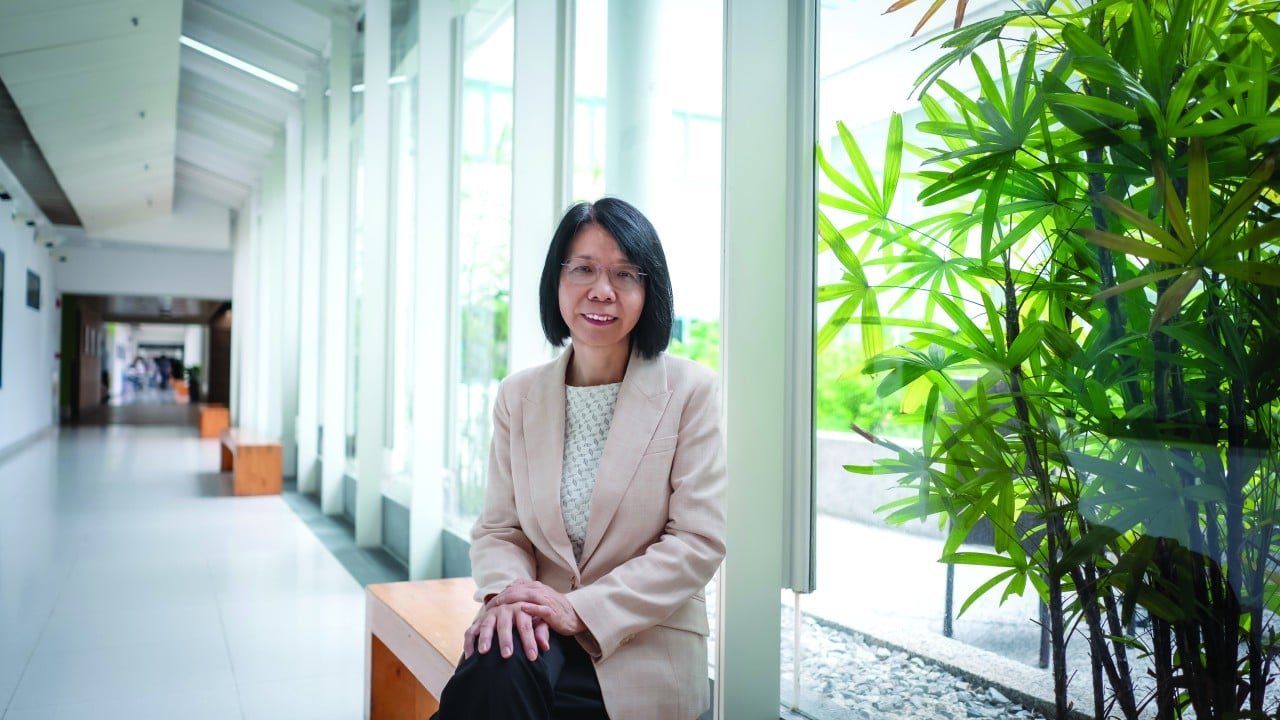
In Hong Kong, approximately 40,000 individuals live with schizophrenia. The conventional psychiatric system strives to manage symptoms such as hallucinations and cognitive deficits to keep patients stabilized, but once symptoms are under control, the focus often reverts to questions of regaining a meaningful life. Professor Sylvia KWOK from City University of Hong Kong (CityUHK) contends that the system perpetuates a deficit model that overlooks individuals' inherent potential.
Kwok argues that the present model defines success too narrowly, relying mainly on bed occupancy and symptom reduction. She advocates for a strength-based approach, emphasizing the cultivation of internal resources such as resilience, gratitude, and a sense of accomplishment. This perspective is evident in the halfway houses where residents, typically for one to two years, engage in rehabilitation plans co-developed with social workers, continue medical treatments, and often maintain employment.
These facilities serve as micro-communities fostering social capital, personal growth, and agency. Through programs incorporating strength-based positive psychotherapy and meaning-centered therapy, participants learn to rebuild their self-identity and purpose amid their condition. The programme's emphasis on meaning-making acknowledges the disruption of self-identity often caused by schizophrenia, encouraging individuals to reconstruct their life narratives and identify their strengths.
This approach has yielded promising results over the past decade, with consistent improvements in recovery and well-being even months after completion. Kwok contends that mental health systems should broaden their success criteria beyond symptom management to include aspects like well-being and quality of life. Additionally, she emphasizes the need for professional training in strength-based methodologies and a shift in societal perceptions to combat stigma.
Kwok calls for a transformation in how mental health conditions are viewed, advocating for individuals to be recognized not just as patients but as citizens capable of contributing to society through their unique abilities.
Written by urgent.news from South China Morning Post - Hong Kong's reporting — not their text. Machine-written — may contain errors; check the original before relying on it.