DNA, unique IDs and geo-tags: How Nepal plans to identify flood victims after burial
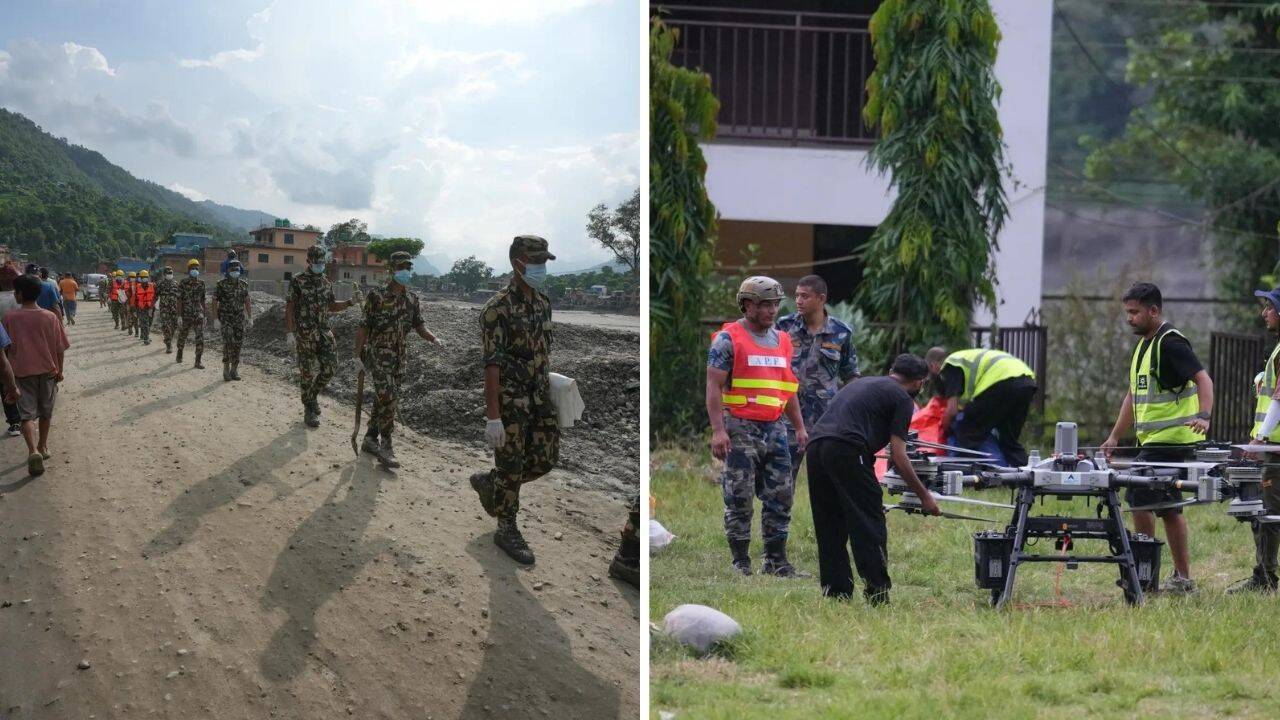
Nepal has devised a plan to identify flood victims through DNA samples, unique IDs and geo-tags, even before their remains are buried, Prime Minister Balendra Shah announced on Saturday. The measures are taken in the wake of a devastating flood in the Himalayan region bordering Tibet, which has left nearly 3,000 people missing, with over 680 fatalities recorded in Nepal and Tibet.
Most of the missing individuals are from Nepal, with around 2,426 people unaccounted for and 546 in Tibet's Gyirong County. Among the missing are approximately 540 foreign nationals. The disaster, triggered by a glacier collapse, caused widespread destruction, including the collapse of buildings, bridges, and power infrastructure.
In numerous cases, the recovered bodies are severely decomposed, making immediate identification arduous. Authorities plan to bury such remains after completing legal formalities to mitigate health risks and disease outbreaks concerns. However, they will first preserve DNA samples and other relevant information to establish the victims' identities later.
Identified bodies are being handed over to the respective families. The process aims to maintain an identification trail even when visual identification is no longer possible due to the condition of recovered remains. In Kathmandu, relatives of the missing gathered outside Maharajgunj Medical Campus, hoping to identify their loved ones through photographs displayed in public areas.
The scale of the disaster has also left families abroad anxious for information. In Malaysia, relatives of 91 Malaysian citizens listed as uncontactable in Nepal and Tibet are waiting for updates. Manivannan Rethinam, a representative for some of the families, urged Malaysia's foreign ministry to establish a communication channel for faster information, describing the waiting period as "profoundly painful."
Meanwhile, Nepal has sought international assistance to tackle the rescue, recovery, and identification challenges. The country has appealed for technical support to rescue individuals trapped in tunnels, restore damaged transport and communication links, identify bodies, conduct DNA testing, and preserve remains for extended periods.
India has dispatched three flights carrying relief supplies and technical teams, while China has also dispatched tunnel specialists to assist in rescue operations. Nepal is closely monitoring two upstream lakes, warning that flood risks will persist until both lakes fully drain.
Written by urgent.news from Times of India's reporting — not their text. Machine-written — may contain errors; check the original before relying on it.
Also reported by 3 other outlets
- QC launches urgent response to Nepal’s flash flood disaster gulf-times.com
- Be prepared for DNA test, Nepal flood victims’ families told freemalaysiatoday.com
- Nepal begins mass burial of unidentified flood victims; India sends forensic experts hindustantimes.com