‘Dimagi Naxal’ row revives debate over the NAC: What was it, and how influential was it?
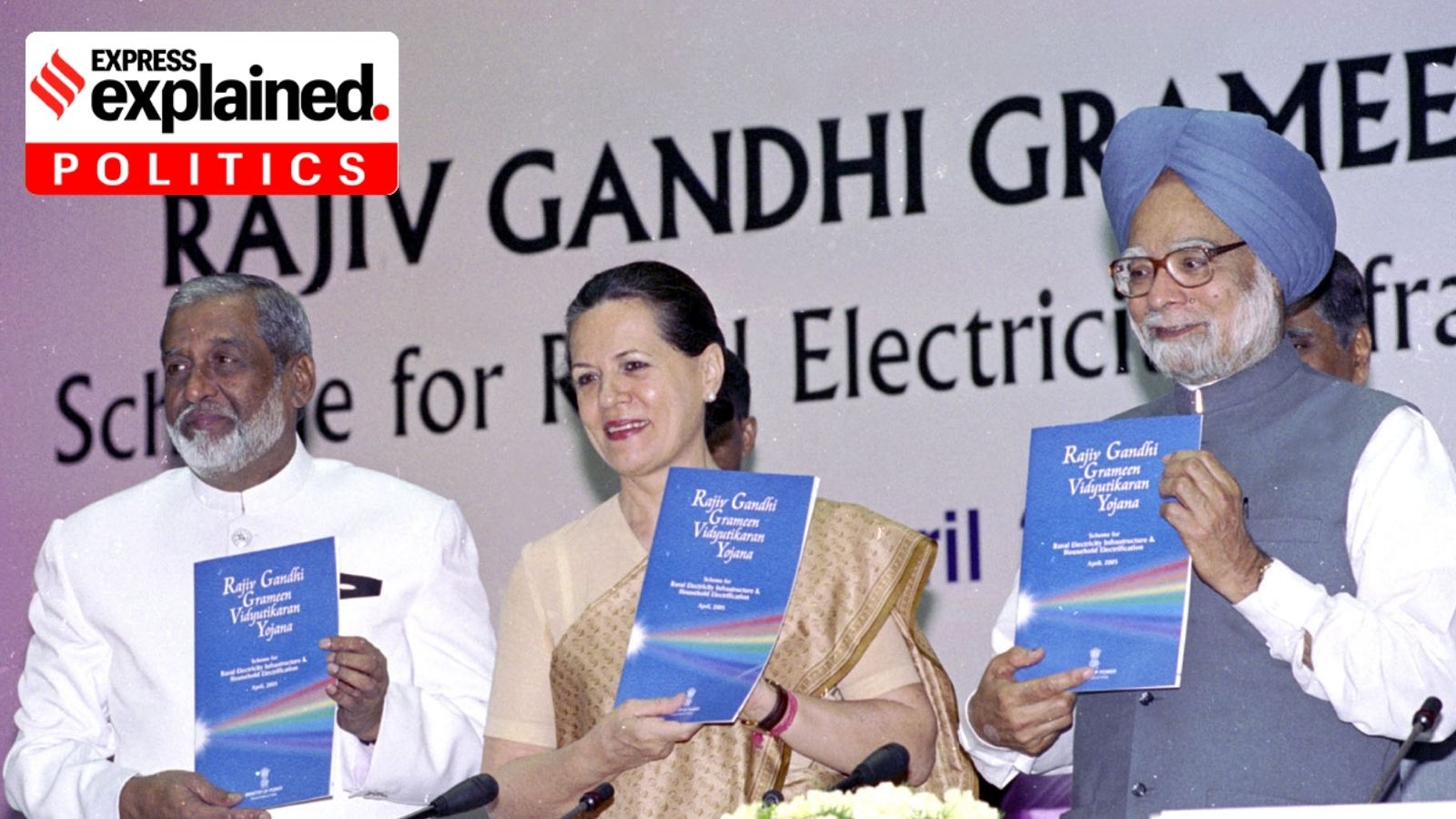
The National Advisory Council (NAC) was an advisory body formed in 2004 under the Congress-led UPA government, chaired by then-party president Sonia Gandhi. Comprised of activists, academics, and policy experts, the NAC played a crucial role in shaping and pushing transformative policy reforms such as the Right to Information Act, the Mahatma Gandhi National Rural Employment Guarantee Act, and the National Food Security Act.
Despite its informal decision-making powers, the NAC occupied a contentious position due to its close proximity to the executive and the individuals who served on it. The Council was influential because it provided a direct route for civil-society actors to influence government policymaking. The NAC remained politically contested during the UPA years due to allegations regarding its chairperson, Sonia Gandhi, and the extent of its influence.
The BJP revived the debate over the NAC in recent times, linking it to their ongoing campaign against "Dimagi Naxals," a term used to label intellectuals and activists supporting left-wing extremism.
Written by urgent.news from The Indian Express's reporting — not their text. Machine-written — may contain errors; check the original before relying on it.
This story
This is one outlet's version. Read the fullest account.
- Ram Madhav writes | Do we really need a definition for ‘dimagi Naxal’? indianexpress.com