China tightens rules on selling unfinished homes to lift sector
Chinese officials tightened the rules for selling unfinished homes on Friday as they try to lift the country’s property market out of a years-long slump that has weighed on consumption. Half-built apartment buildings dot cities across China, relics of a property boom that came to a halt when the government clamped down on excessive borrowing […]
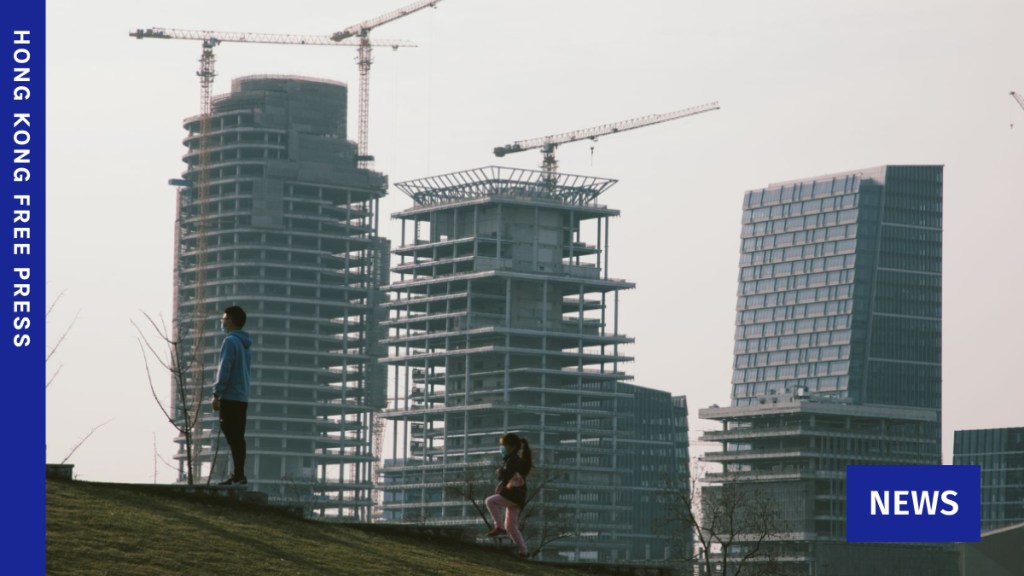
Chinese authorities have recently introduced stricter regulations for the sale of unfinished homes in an effort to revive the country's stagnant property market, which has been suffering for years. The issue stems from an oversupply of partially completed apartment buildings following the government's clampdown on excessive borrowing and speculation in 2020.
This led to numerous developers facing substantial debt burdens, causing significant concerns for buyers who had invested their life savings into unfinished properties.
In a joint statement from China's National Financial Regulatory Administration and Beijing's housing and natural resource ministries, officials emphasized the importance of "vigorously and orderly promoting the sale of ready-to-move-in commercial housing." Additionally, they urged for more protections for buyers purchasing homes before construction is complete.
To further support the property market, the financial regulator and the central bank announced new lending guidelines on Friday. These guidelines increase the maximum length for personal housing loans to 40 years, up from the previous 30-year mortgage limit. According to Zhiwei Zhang, President and Chief Economist at Pinpoint Asset Management, these policies represent a "meaningful step in the right direction" as they help alleviate the debt burden on home buyers.
The decision to allow mortgage loans up to 40 years is seen as a crucial move to mitigate the financial strain on buyers, especially considering the troubled property sector. China's leaders have long struggled with sluggish domestic spending since the end of the Covid-19 pandemic, which has threatened economic growth despite booms in exports and high-tech sectors.
Zhang noted that the weak domestic demand is largely attributed to the distressed property market and highlighted that the new housing policies demonstrate officials' recognition of the urgency to stabilize the market.
Written by urgent.news from Hong Kong Free Press - China's reporting — not their text. Machine-written — may contain errors; check the original before relying on it.
This story
This is one outlet's version. Read the fullest account.