Caterpillar is bringing to AI deployment what it learned from automating mining
Caterpillar has spent decades putting autonomous machines to work at remote mining sites. It's now bringing that experience to AI deployment.
Caterpillar, the industrial heavyweights, is leveraging its decades of experience in automating mining to bring artificial intelligence (AI) into everyday operations. The company has faced similar challenges in integrating AI into operations in the physical world, such as labor shortages and hazardous conditions, and now it's applying that knowledge to more dynamic environments like construction sites and quarries.
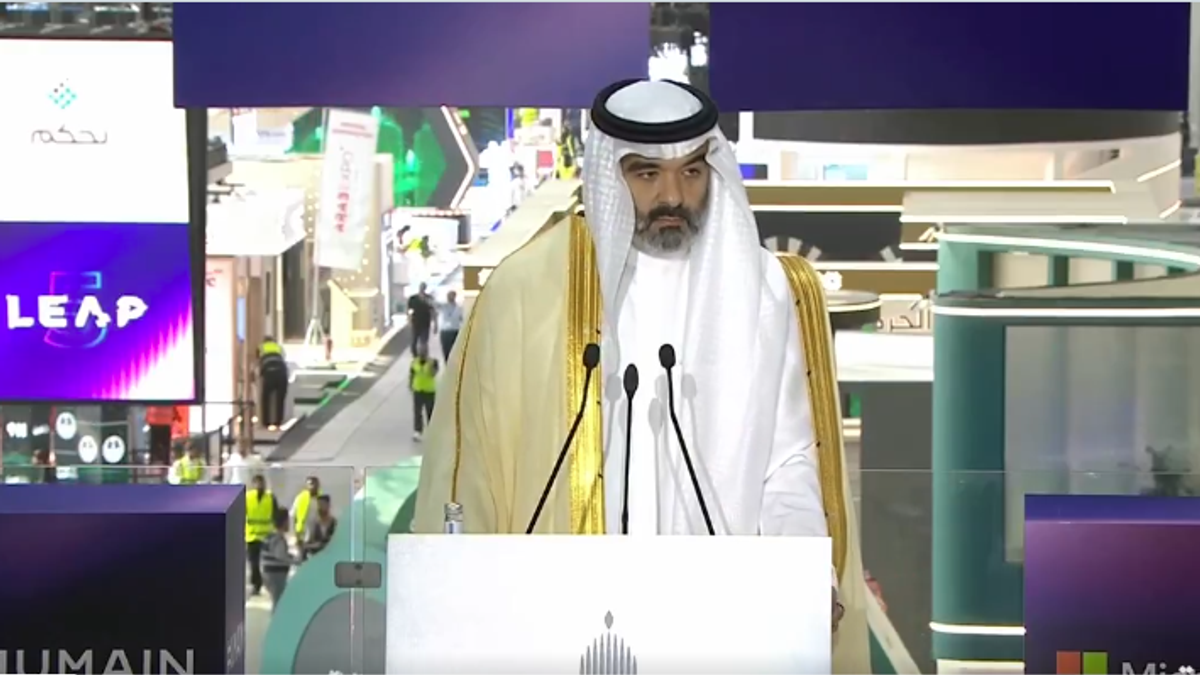
Caterpillar's AI deployment includes autonomous haul trucks, drilling, underground loaders, dozers, remote-controlled construction equipment, and a software command center, fleet management, and remote terrain intelligence. The company's CTO, Jaime Mineart, highlighted the company's push into the autonomous space, stating that they are "in this super exciting time" to take the learning from mining and bring it to more varied job sites.
Caterpillar's AI initiatives extend to tools used by technicians and employees, such as the Cat AI Assistant, which enables field technicians to use voice commands to access repair procedures, troubleshoot problems, and identify necessary parts. The assistant relies on the company's proprietary data, spanning information generated by its connected machines. Mineart emphasized that Caterpillar generates over 16 petabytes of structured data, and this data is crucial for its AI capabilities.
Beyond mining, Caterpillar is also using AI for site scanning, generating digital twins in manufacturing to analyze operations, and modernizing legacy code, generating new software, and identifying defects earlier. However, deploying autonomous machines is only the first step, as companies must also rethink how people work alongside the technology and adapt existing processes.
Mineart stressed the importance of incorporating AI into customer job sites and workflows, leveraging experienced operators to train AI systems and train approximately 118,000 employees in AI, autonomy, and robotics over the next five years.
Written by urgent.news from TechCrunch's reporting — not their text. Machine-written — may contain errors; check the original before relying on it.