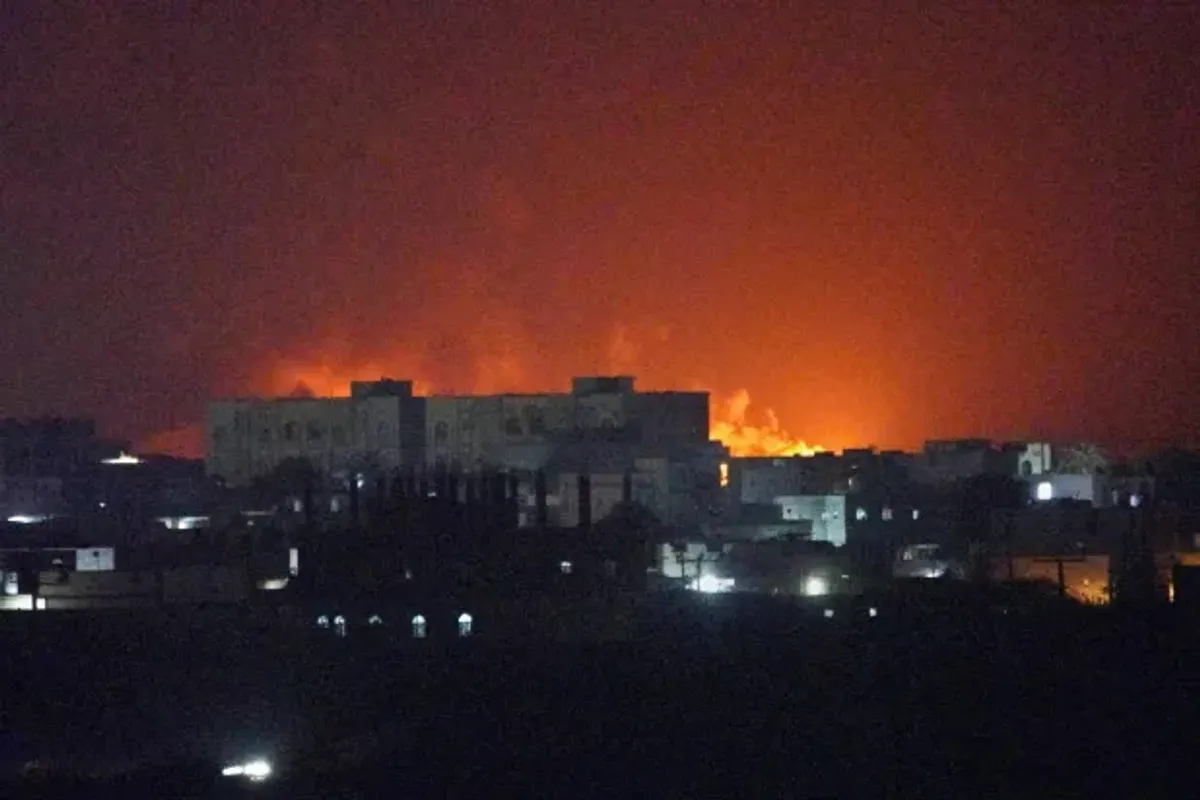
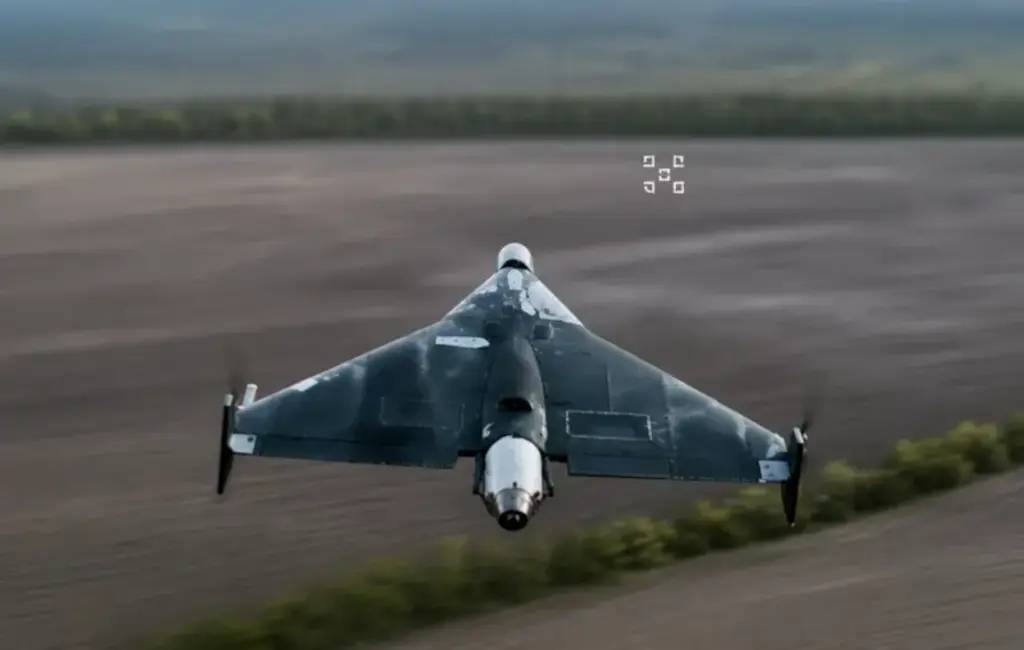
Breaking: US strikes Iranian launchers on island in Strait of Hormuz
US forces have struck two Iranian launchers on Iran's Larak Island, Axios reports, citing a US official.
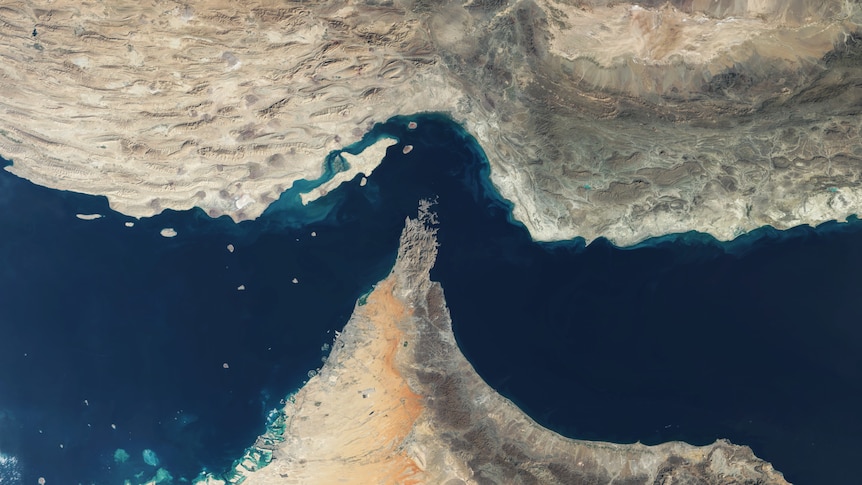
A prevailing belief has emerged in the aftermath of the Iran war: Iran emerged victorious. This assertion is predicated on several key points. The United States and Israel launched a barrage of airstrikes on Iran, causing significant damage and demanding substantial concessions. Iran resisted capitulation, maintaining its government and preserving its missile capabilities across the region.
Most crucially, Tehran retains the capacity to disrupt shipping through the Strait of Hormuz, which could result in elevated energy costs for the US and global economy. President Trump had previously warned of a potential global recession should the Strait remain closed. However, this notion may have been overly optimistic. As the conflict enters its fourth act, the dynamics have altered significantly.
The conflict has unfolded in four distinct phases. The initial phase was characterized by intense airstrikes from February 28 to mid-April. The ceasefire and negotiations commenced on April 7, concluding with the signing of the June 17 Memorandum of Understanding between Trump and Iran's President, Masoud Pezeshkian. The third phase emerged when Iran resumed targeting commercial vessels in the Strait of Hormuz, prompting a retaliatory military exchange.
Some argued that the United States should concede control of the Strait to Iran. However, this assessment proved premature. Since mid-July, the US has reinstated its military blockade on Iranian ports and imposed sanctions on Iran's oil trade. Concurrently, the US military has diligently cleared shipping lanes and provided assistance to safeguard commercial ships navigating the Strait.
The outcome has been an effective blockade on Iranian oil shipments, with global shipments recovering and energy prices remaining remarkably stable. A Bloomberg report revealed that oil flows through the Strait have recovered to two-thirds of their pre-war levels. This development exerts growing pressure on Iran, rather than the US.
Moreover, if Iran loses its ability to leverage the Strait, its leverage rapidly diminishes. The US strategy entering the war was weakened by years of sanctions and economic mismanagement. Consequently, Iran's present situation is considerably more dire. According to the International Monetary Fund, Iran's economy is projected to contract by over 5% this year, with inflation nearing 70%.
The value of Iran's currency has plummeted. Prices for essential goods have skyrocketed. Furthermore, an Iranian Labor Ministry official recently estimated that over one million jobs were lost during the war's first three months alone.
Written by urgent.news from Egypt Independent's reporting — not their text. Machine-written — may contain errors; check the original before relying on it.
This story
This is one outlet's version. Read the fullest account.
- No, Iran is not winning: In Act IV of the war, it’s losing its leverage in Hormuz egyptindependent.com
- Tanker struck by 'unknown projectile' in Strait of Hormuz: UKMTO warning gulfnews.com
- US forces strike Iranian rocket launchers on the Strait of Hormuz in first military action in weeks winnipegfreepress.com
- US forces strike Iranian rocket launchers on the Strait of Hormuz in first military action in weeks apnews.com
- US forces strike Iranian launchers on Larak island in Strait of Hormuz france24.com
- Report: Tanker attacked while entering Strait of Hormuz israelnationalnews.com
- US forces strike Iranian rocket launchers in Strait of Hormuz as IRGC warns of 'retaliatory response' euronews.com
- Oil tanker targeted by projectile in Strait of Hormuz, UK maritime agency says english.ajel.sa