23,000 bronzes, 14 years, 60 volumes: how China is mapping lost heritage held abroad
In the quiet of a Peking University research room, shelves groan under the weight of 60 thick volumes. Stacked, they stand taller than an average human. Inside their pages lie the details of more than 23,000 ancient Chinese bronze vessels, weapons, chariot fittings and ritual objects that left China’s shores long ago and now sit in museums, private collections and auction houses across nearly 30…
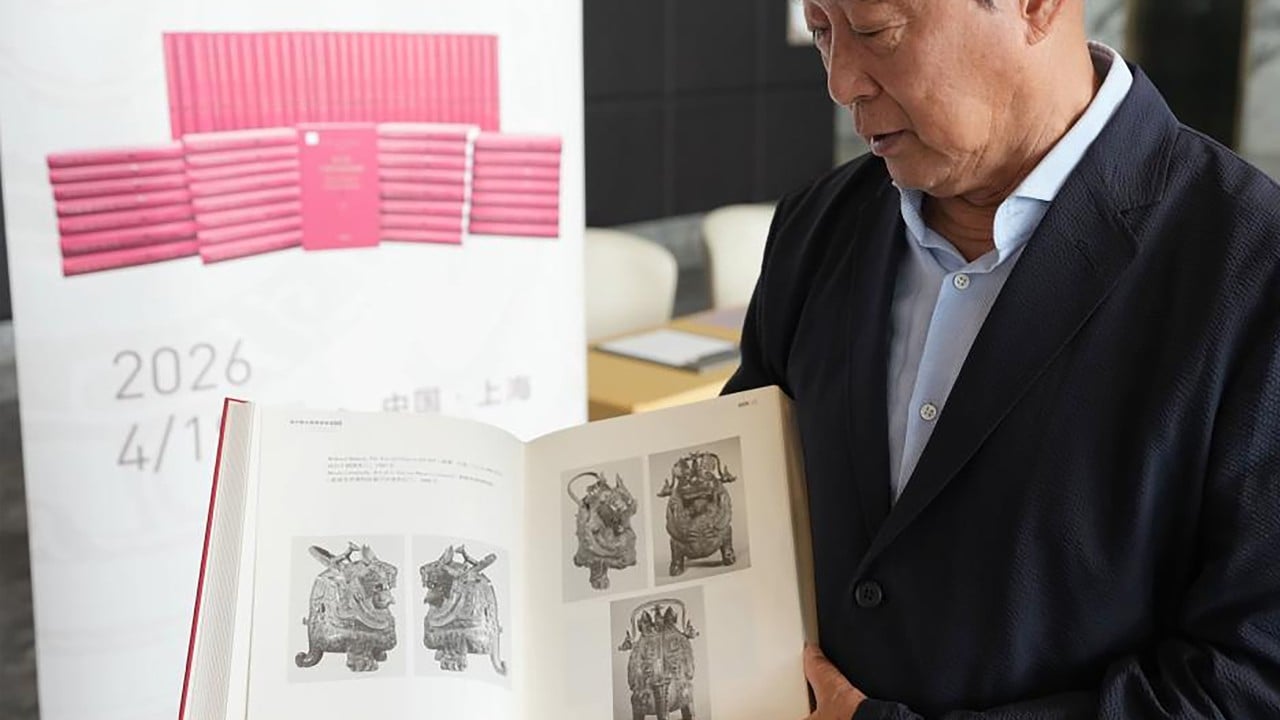
In a university research room at Peking University, stacks of 60 thick volumes tower over those present, detailing over 23,000 ancient Chinese bronze artifacts. These objects, once scattered across the globe, are now catalogued in the Collection of Chinese Bronzes in Overseas Collections, a result of a 14-year investigation. The project, published in April by Shanghai Classics Publishing House, is both an extensive documentation effort and a tool for China's cultural heritage reclaiming campaign.
Zhu Fenghan, lead editor and historian at Peking University, explained that the project aims to create archives for cultural relics and gain a comprehensive understanding of Chinese bronzes held overseas. The effort, which began in 2012, required team members to travel to more than 10 countries to visit over 260 institutions and gather data on the dispersed bronzes.
The team assembled data from catalogues, auction records, and photographs, resulting in a massive trove of information, including nearly a terabyte of documents and 200 gigabytes of images. Earlier estimates suggested around 3,000 overseas bronzes, but the new catalogue estimates more than seven times that number. Each piece in the catalogue has an "identity document," containing high-resolution photos, measurements, inscriptions, history, and current locations.
Nearly 300 types of bronzes are represented, including ritual vessels, weapons, tools, lamps, and northern-style pieces. The bronzes hold significant cultural importance, embodying the power and rituals of early Chinese states. Many were lost during political turmoil, wartime looting, and dealer activities that supplied Western museums and collectors.
However, some objects have clear records of legal export or diplomatic gifts. China has reclaimed some narrative control, as seen in the return of items like the Western Zhou banjin altar set to the Metropolitan Museum of Art. The project has also facilitated the return of 537 lost relics and artworks during the 14th five-year plan period, including a bronze ritual vessel from the Old Summer Palace and volumes of the Warring States-era Zidanku Silk Manuscripts.
These successes demonstrate how China's efforts in documenting and recovering its cultural heritage can lead to concrete results.
Written by urgent.news from Reuters Business via SCMP's reporting — not their text. Machine-written — may contain errors; check the original before relying on it.