With ‘virtual speed bumps,’ these cities have reduced crashes by rewarding slower drivers with fewer red lights
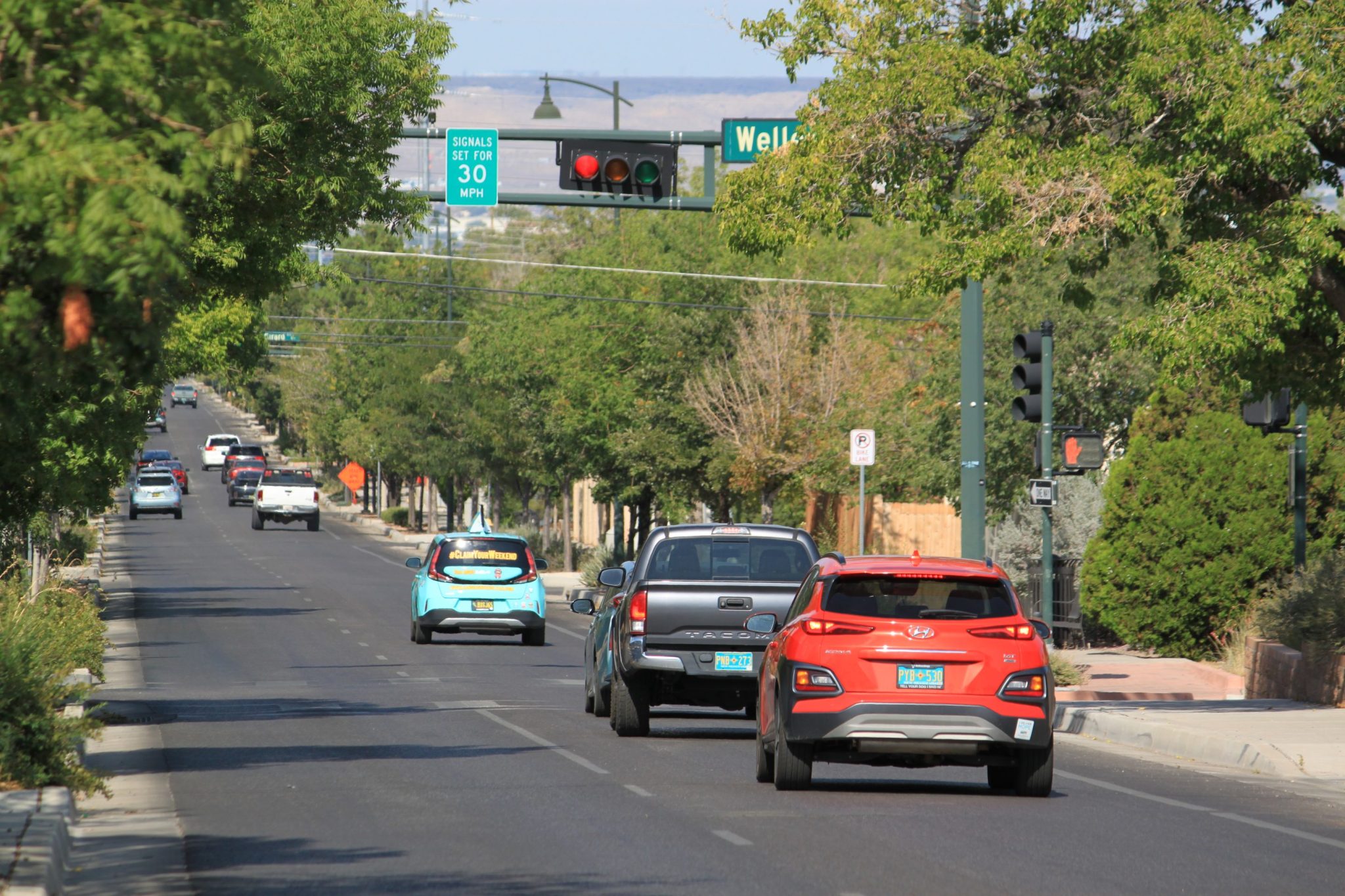
Albuquerque, New Mexico, and Portland, Oregon, have successfully reduced traffic crashes and injuries by implementing a novel version of "rest in red" traffic safety concept. This system uses speed sensors to grant early green lights to drivers traveling at or below the posted limit, rewarding law-abiding drivers with fewer red lights. The strategy has reportedly reduced crashes and injuries along busy stretches of road in both cities.
Residents like Isaac Romero have noticed a significant difference since rest in red was implemented. He recalls the sound of drivers racing to beat traffic lights and accidents, including one that flipped over and ended up in a neighbor's yard. Romero believes the new approach has made the area much safer, with fewer drivers speeding through the corridor.
Portland recently rolled out a similar system during late-night hours on a busy highway with a history of crashes. The "virtual speed bump" approach lowered the average speed from 39 mph to the speed limit of 30 mph at the first intersection tested. Oregon State University researchers are currently assessing the system's performance.
However, some critics argue that the effectiveness of rest in red may be limited without a broader education campaign to promote driver awareness. Jay Beeber, chief government affairs and policy officer for the National Motorists Association, questions whether changing driver behavior through this system alone is truly effective. He suggests that simpler, less-intrusive solutions might be more successful.
Despite these concerns, cities like Albuquerque and Portland have found success with this approach, particularly on roads designed for high-capacity traffic during the day but less congested at night. While the concept has shown promise, its widespread adoption remains slow due to the potential for unintended consequences when one speeder triggers a red light for everyone.
Written by urgent.news from Fortune's reporting — not their text. Machine-written — may contain errors; check the original before relying on it.