Why we can’t stop solving puzzles — and why AI still can’t set them
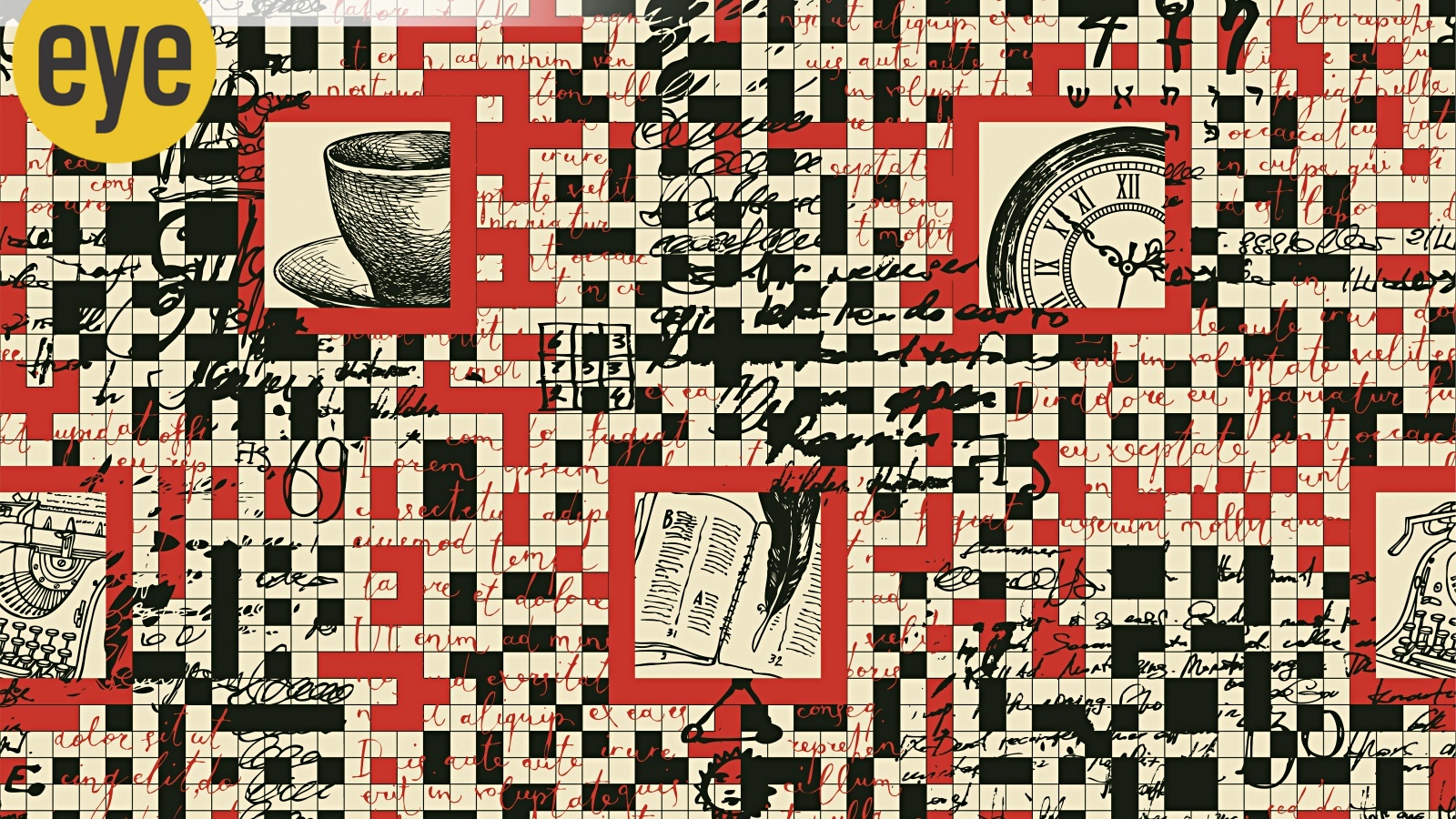
Riddle me this: I am the home of vexing words, where the key lies in a clever turn of phrase or between the lines. Those who unlock the right boxes shall find rare joy. This, dear reader, is the jigsaw puzzle, born in the 1770s when John Spilsbury mounted a world map on a piece of wood and cut it into arbitrary pieces for his students. Today, puzzles come in many forms: crosswords, riddles, spelling bees, logic puzzles, Wordle, and Sudoku, both in physical and digital forms.
The New York Times (NYT) introduced its crossword in the 1940s, after initially dismissing it as a primitive form of mental development. The NYT Games app, a significant revenue generator, generates approximately 11.2 million USD in in-app purchase revenues worldwide. The market for word games and logic puzzles worldwide is valued at $9.4 billion and is projected to more than double to $20.1 billion over the next decade.
Puzzle solvers exhibit intelligence, patience, and a never-give-up attitude. They are curious and have an unwavering determination to reach the elusive "aha" moment. Will Shortz, editor of the NYT Crossword, compares a good puzzle to a work of art, emphasizing the importance of an attractive grid, interesting vocabulary, and a satisfying solver experience.
David Astle, an Australian puzzle setter, likens a good puzzle to an apple tree: it should not be a bowl of apples but a tree that yields fruits. A well-crafted puzzle should provide a slow surrender of delightful surprises, achieved through clever clues, fresh angles, snappy language, smart wordplay, and juicy answers. The satisfaction derived from solving a puzzle and the necessity to find fewer hints to reach the goal are equally important for both the solver and the setter.
Written by urgent.news from The Indian Express's reporting — not their text. Machine-written — may contain errors; check the original before relying on it.