What happens if you give everyone $700? A local economy thrives
An experiment designed to showcase what the future of aid might look like is seeing success in the village of Kamala in southern Malawi.
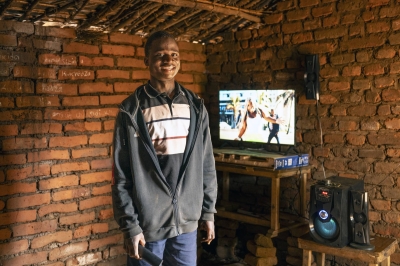
In a remote village in Malawi, Yonas Fote happily showcases his movie theater. This modest establishment, tucked away in the bustling town of Kamala, screens pirated Nigerian films dubbed in the local language. Customers pay a modest $0.12 per screening, a small price to pay for an evening of entertainment. However, this modest business is part of a groundbreaking experiment aimed at demonstrating the potential of direct cash transfers.
This initiative, the largest of its kind, is a $198 million program run by the nonprofit organization GiveDirectly. It involves 230,000 adults in two districts of Malawi, each receiving approximately 1.2 million kwacha, or roughly $700. This sum is provided unconditionally, allowing recipients complete discretion over how they choose to spend their funds.
For Yonas Fote and his fellow recipients, this direct cash transfer represents a new financial landscape. Before the program, Fote's movie theater was a small-scale side hustle, fueled by the demand from his friends. With the additional cash, he has the freedom to invest in better equipment or even expand his business. The impact of such direct cash transfers is still being studied, but early indications suggest that they can stimulate economic activity and improve the standard of living for those who receive them.
Written by urgent.news from Japan Times's reporting — not their text. Machine-written — may contain errors; check the original before relying on it.
This story
This is one outlet's version. Read the fullest account.