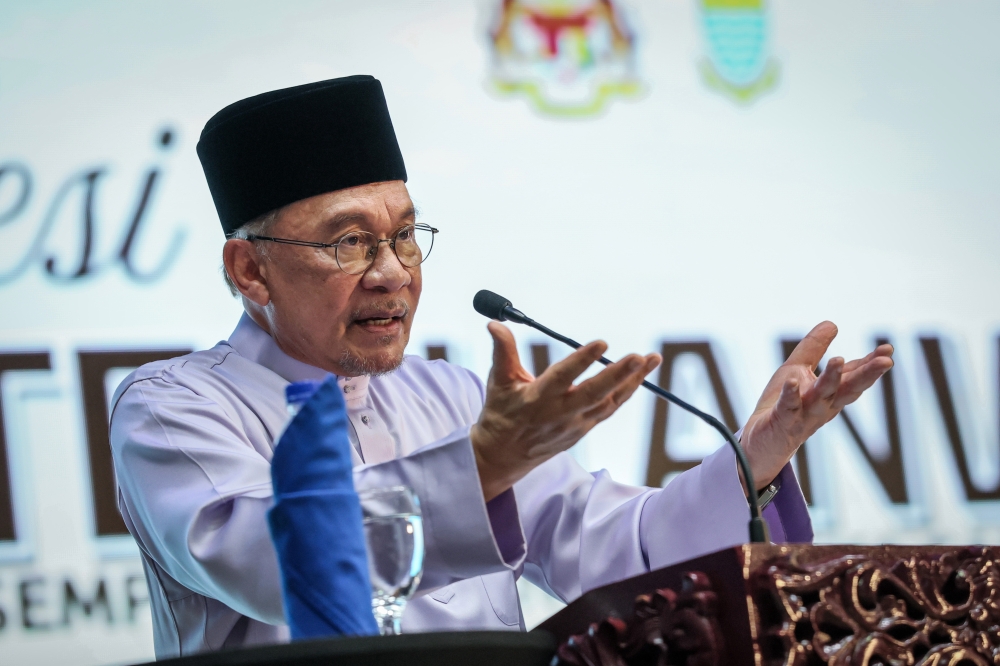
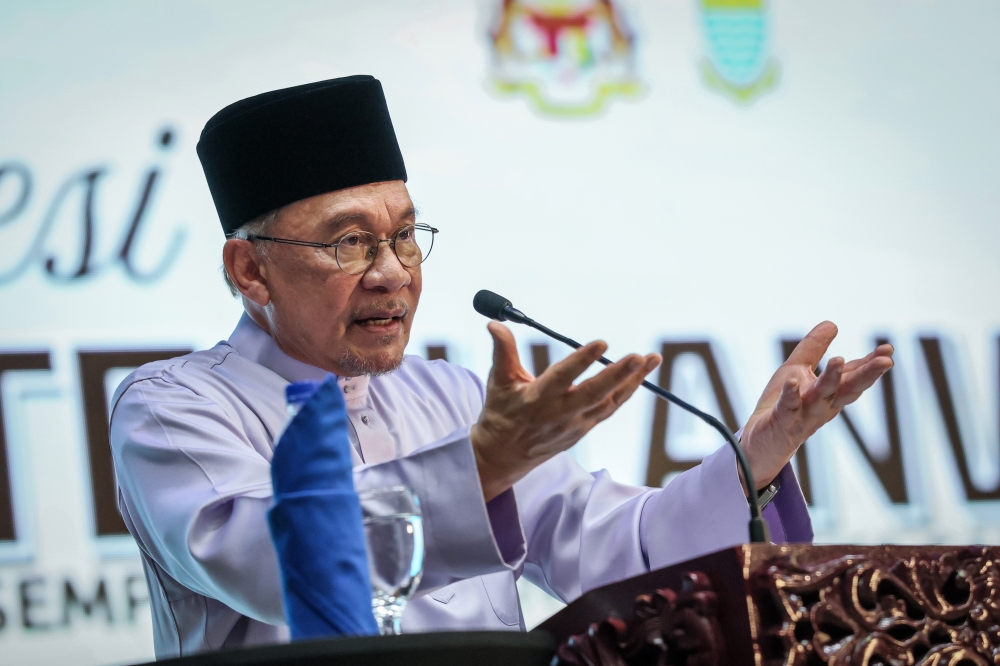
We can contribute more to food security, employment – Kakanda monarch
Dr Faruk Muhammad Kakanda, an engineer, is the 23rd Agankyu of Kakanda. In this interview he spoke on the history of the traditional institution and the royal title, the people and agricultural potentials of Kakanda Kingdom, among other issues. You ascended the throne of your forefathers as the 23rd Agankyu. Can you tell us about […]
Dr Faruk Muhammad Kakanda, the 23rd Agankyu of Kakanda, shared insights into the traditional institution and its succession process. Agankyu is not merely a title, but a role as the father and custodian of the Kakanda people, their culture, traditions, history, and heritage. The kingdom has four ruling houses - Yebba, Atungbile, Danki, and Imiwo, with four important princely positions.
The Shaba title, held by the heir apparent, comes from the ruling house next in line to produce the Agankyu. The Agankyu's role as the custodian of the Rivers Niger and Benue is significant, as the Kakanda people have lived around these rivers for generations, developing expertise in canoe building, navigation, fishing, and river commerce.
This historical relationship with the rivers earned the Kakanda people the nickname "River Normans." The ancient headquarters of Kakanda Kingdom, Budon, is located in Lokoja Local Government Area of Kogi State. The Kakanda migration history is part of a broader history of movement across the Niger-Benue region, driven by factors like the search for fertile land, access to water, fishing opportunities, and trade.
The kingdom's strategic location along important waterways allowed Kakanda communities to establish settlements, engage in trade, and interact with various communities across the region. While Kakanda people have a rich history, their level of development today does not fully reflect their potential, given the fertile land, abundant rivers, fishing resources, and hardworking farming traditions.
Written by urgent.news from Daily Trust's reporting — not their text. Machine-written — may contain errors; check the original before relying on it.