Utah mountain hides enough ice to fill about 600 Olympic swimming pools
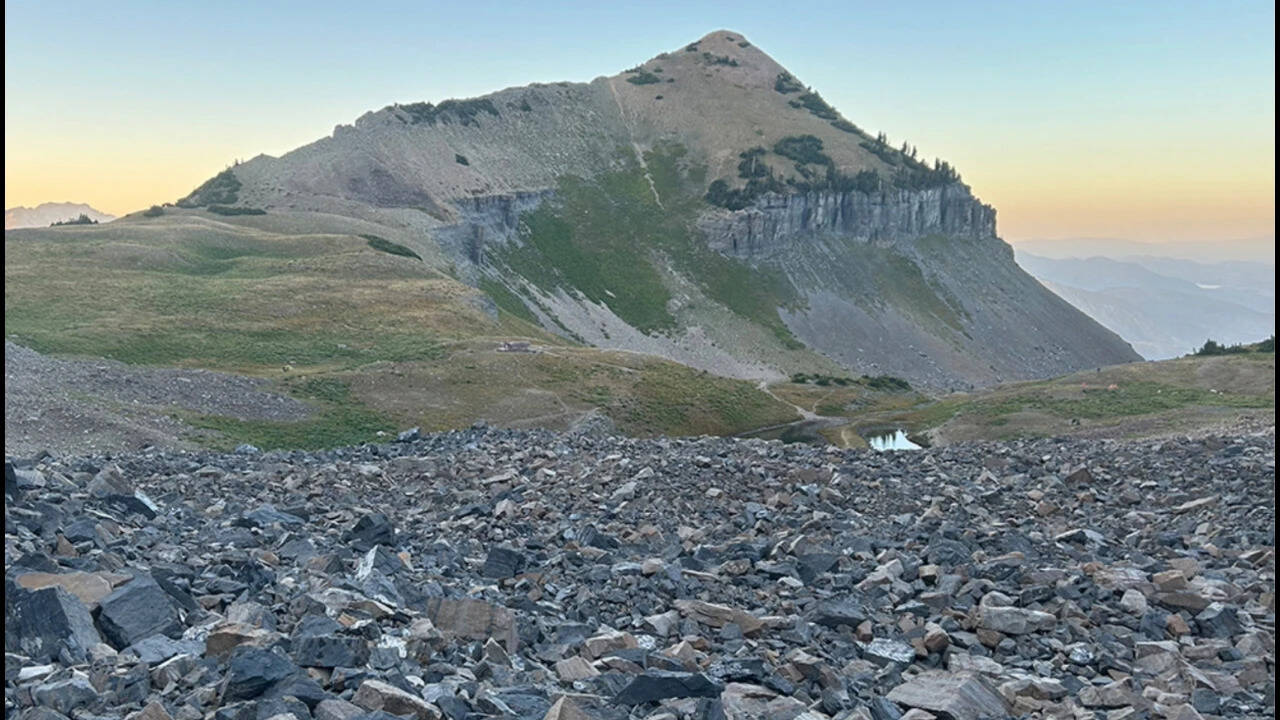
Mount Timpanogos, a prominent mountain in Utah’s Wasatch Range, conceals an impressive underground ice reservoir. While its surface appears as a pile of rocks, it actually harbors an estimated 1.55 million cubic meters of ice, equivalent to about 600 Olympic-sized swimming pools. Researchers from the University of Utah have mapped this hidden ice using an innovative method: measuring subtle variations in gravity across the rugged terrain.
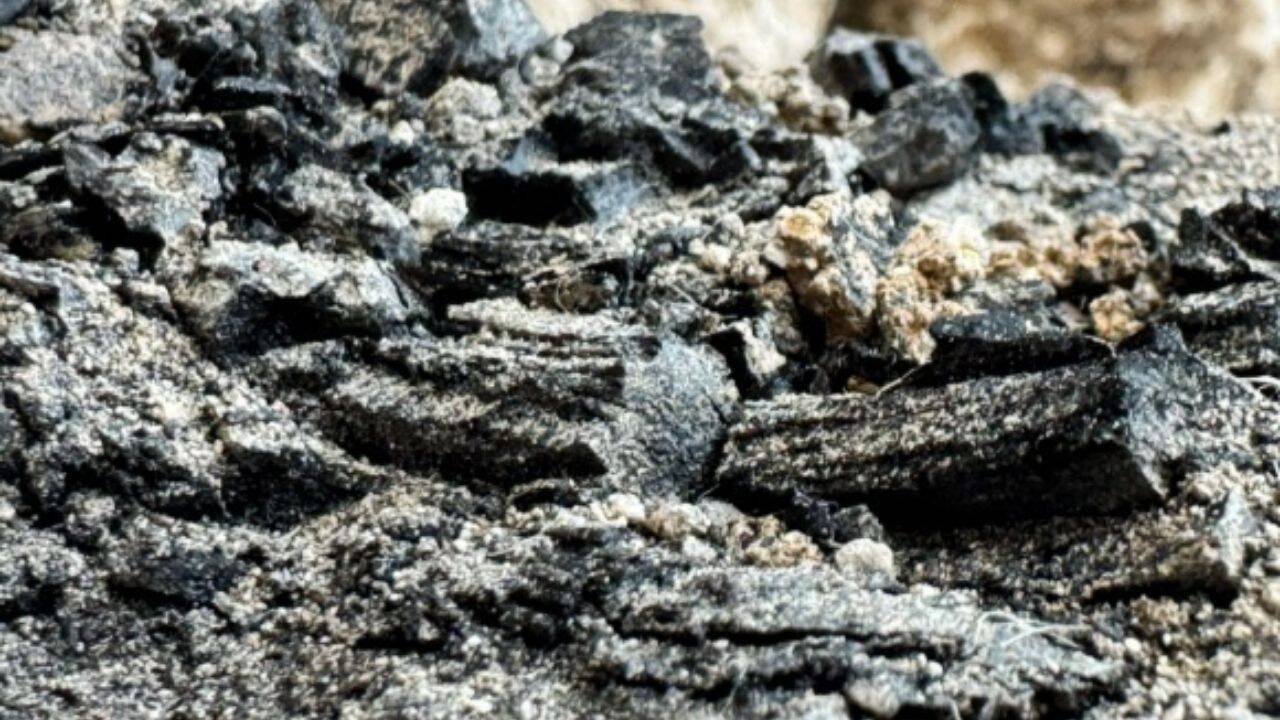
The site, known as the Timpanogos Rock Glacier, is one of hundreds of such formations found in Utah. Unlike typical glaciers, rock glaciers are covered by a thick layer of loose rock, making them challenging to study. However, beneath this rocky exterior lies a substantial amount of frozen water. The Timpanogos Rock Glacier is approximately 83% ice and 17% loose rock, with its deepest ice layer buried about 150 feet beneath the surface.
Despite its seemingly ordinary appearance, hikers on the mountain might unknowingly traverse meters of ice. The discovery was made possible through extensive fieldwork by geologist Bronson Cvijanovich and his team, who used a high-precision gravimeter to collect gravity readings at 232 locations. By correcting for factors like elevation, latitude, terrain, and gravitational influences from the Sun and Moon, they were able to create a detailed three-dimensional map of the ice beneath the rocks.
This finding has implications beyond Mount Timpanogos, as Utah is home to 836 known rock glaciers, potentially holding about 48 gigatons of water worldwide. The research highlights the dynamic nature of these formations, which can be influenced by climate factors and continue to accumulate ice under the right conditions.
Written by urgent.news from Times of India's reporting — not their text. Machine-written — may contain errors; check the original before relying on it.