US-Iran conflict: What UAE residents need to know tonight, August 29
Iran has acknowledged the growing economic toll of six months of war and US sanctions, even as Tehran insists it will maintain its position on the Strait of Hormuz and remains open to diplomacy if Washington changes course. For UAE residents, the strategic waterway remains one of the most important developments to watch, as Gulf states intensify diplomatic moves to restore freedom of navigation,…
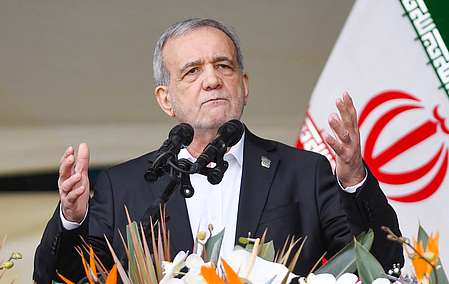
As the sixth month of the Iran-U.S. conflict drags on, UAE residents find themselves closely monitoring the strategic Strait of Hormuz, one of the most critical developments in the region. The ongoing war and U.S. sanctions have taken a significant economic toll on Iran, according to Iranian President Masoud Pezeshkian, who acknowledged the impact during a recent appearance on state television.
Pezeshkian stated that Iran's imports and exports had dropped by between 25 and 35 percent over the past few months due to the U.S. naval blockade of its ports. In response to the economic strain, the Iranian government is considering raising petrol prices. Meanwhile, the United States has intensified its economic campaign against Tehran, with Treasury Secretary Scott Bessent vowing to isolate Iran economically.
Despite the mounting pressure, Iran remains steadfast in its insistence on maintaining control over the Strait of Hormuz, rejecting U.S. claims that the waterway is open. Iranian officials have emphasized that restrictions will persist until the U.S. fulfills its commitments and ceases military actions against the country.
Diplomatic efforts to restore freedom of navigation are underway, with diplomatic initiatives led by Qatar, Oman, and Pakistan gaining traction. Qatar's Foreign Minister met with his Iranian counterpart in Tehran to discuss de-escalation and freedom of navigation. Additionally, Oman and Iran are working on a possible agreement governing commercial shipping through the strait, though no final agreement has been reached.
Kuwait has also joined the diplomatic push, holding separate calls with Omani and Qatari counterparts to address regional developments, security, and stability concerns, as well as efforts to ensure the safety and freedom of maritime navigation through the Strait of Hormuz. Qatar continues to support diplomatic attempts to secure freedom of navigation and a comprehensive regional agreement.
The U.S. Central Command (CENTCOM) continues to enforce the naval blockade against Iran, redirecting 82 commercial vessels, disabling three, and boarding two as of August 28. While tensions have eased slightly, shipping through the Strait of Hormuz remains well below pre-war levels, with only seven commodity ships passing through on a particular day, compared to the recent daily average of 15.
Before the war, approximately a fifth of global oil and liquefied natural gas supplies passed through the waterway, underscoring its economic significance. UAE Diplomatic Adviser Dr Anwar Gargash criticized media campaigns targeting the UAE, dismissing them as desperate and relying on distortion and rumors. He argued that action speaks louder than reaction and emphasized the importance of challenging successful national models.
Written by urgent.news from Gulf News's reporting — not their text. Machine-written — may contain errors; check the original before relying on it.
This story
This is one outlet's version. Read the fullest account.