They fell in love - then had to check they weren't brother and sister
A French couple - both conceived by sperm donors - wanted children. But with home DNA tests illegal, how could they be sure they were not related?
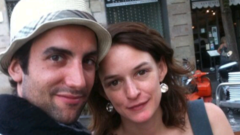
Arthur Kermalvezen, conceived from a sperm donor, grappled with insecurities about his identity. His feelings of anger and confusion were mirrored by Audrey, another donor-conceived individual from Paris. Their paths converged in 2010 at a gathering for those with similar experiences. Instantly, they felt a strong connection, but a critical question loomed: could they be brother and sister?
Regrettably, obtaining genetic testing in France was a daunting task due to restrictive laws. Only a select few, such as researchers, doctors, or judges, could order and supervise these tests, while home-testing kits were unavailable. Consequently, Audrey, a bioethics lawyer, embarked on a legal battle spanning three years, seeking answers about her donor's identity and the possibility of shared donors.
Finally, in 2015, the couple married. However, a doctor's willingness to break the rules allowed them to uncover the truth. The doctor found that their donors were conceived in different years, confirming they were not related. Yet, Arthur's doubts lingered, prompting them to take a home DNA test. This test revealed that Audrey had discovered a estranged sister, Sophie, and that they shared a donor.
The revelation brought an emotional closeness to Audrey and Arthur, who had long yearned for answers about their origins. Their experience highlighted the pressing need for reforms in French donor-conception laws.
Written by urgent.news from BBC News's reporting — not their text. Machine-written — may contain errors; check the original before relying on it.