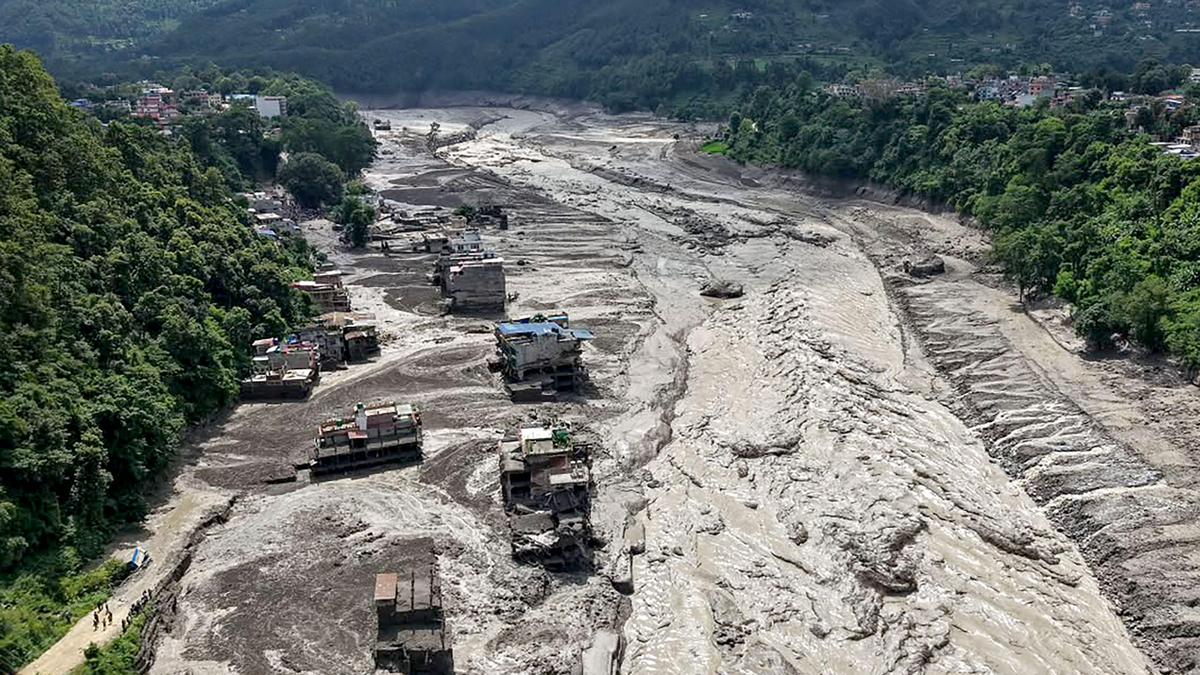
These cyborg cockroaches could be a lifesaver for people trapped in the rubble following natural disasters
Australian researchers have equipped cockroaches with miniature rescue technology, demonstrating controlled movement and emergency delivery capabilities inside difficult environments.
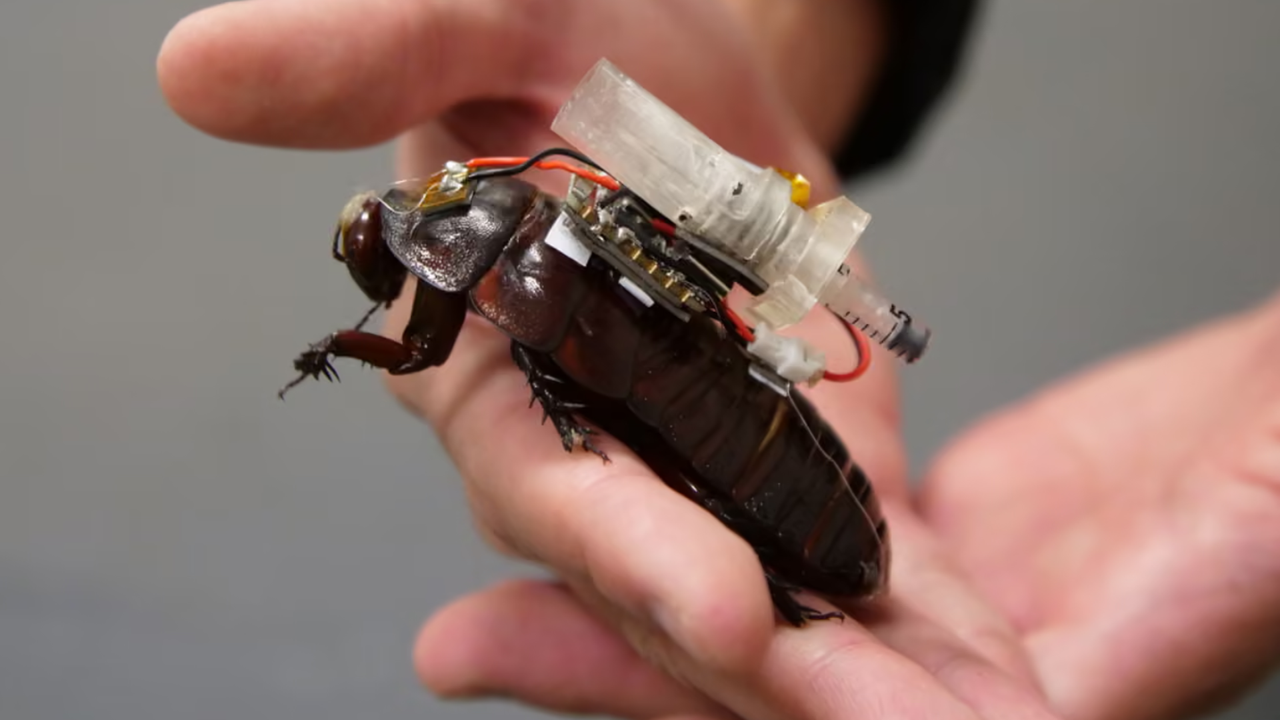
Robotic cockroaches equipped with cameras and injectors could soon become life-saving tools for emergency responders navigating disaster zones. Developed by researchers at the University of Queensland and UNSW, these "cyborg insects" have demonstrated a remarkable 95% success rate in reaching predetermined targets. However, achieving a precise 72% success rate in delivering emergency assistance via the injectors remains a significant challenge.
Engineers attached electrode harnesses to sedated cockroaches, allowing the insects to navigate through collapsed structures while performing close-range medical procedures. While the insects survived the process without harm, their ability to accurately position themselves for injections during movement still requires further refinement.
One of the most significant hurdles is convincing the public to accept the presence of a large insect approaching them for help. Despite this concern, lead researcher Thang Vo-Doan remains optimistic that within the next five to ten years, cyborg insect rescue teams could be deployed to assist people in real emergencies. Superintendant Tim Hassiotis from Fire and Rescue NSW sees potential for extending the range of response teams during disasters, highlighting the insects' ability to navigate spaces that humans cannot.
While further trials, funding, and regulatory approval are needed, the innovative technology may one day become a valuable tool in urban search and rescue operations.
Written by urgent.news from TechRadar's reporting — not their text. Machine-written — may contain errors; check the original before relying on it.