The world is absorbing Iran’s oil shock. Can Tehran absorb its own?
On August 24, Treasury Secretary Scott Bessent announced Operation Economic Outcast, promising to “sever every economic lifeline” sustaining Iran’s government. Hours later, President Masoud Pezeshkian acknowledged major imbalances in water, electricity, gas, fuel, the environment and the banking sector, problems he said his government had inherited. The juxtaposition did not prove that a campaign…
The global economy is grappling with a significant energy shock following the war that began in February. Brent crude prices have risen to the low $90s, inflation is on the rise, and the International Energy Agency describes the conflict as the largest oil-supply disruption in history. Iran, however, is facing a unique economic crisis of its own.
Consumer prices have surged by 87.9% year-over-year, with food inflation reaching 128%. The IMF now predicts a 5.4% contraction in Iran's economy for 2026, with average inflation expected to reach 68.9%. While the West is dealing with manageable economic challenges, Iran is facing a simultaneous fiscal, monetary, industrial, and household crisis.
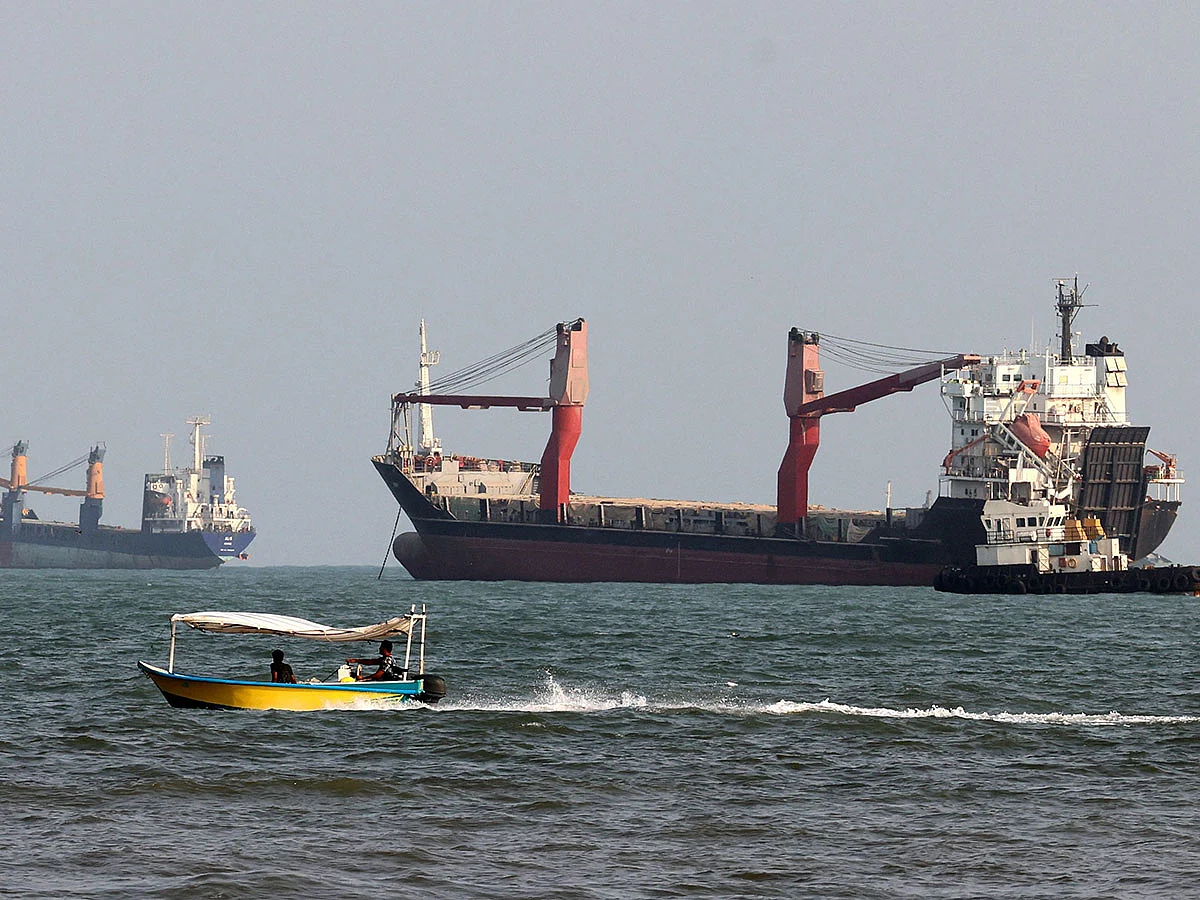
Iran's most potent tool in this conflict is the Strait of Hormuz. Historically, around 20 million barrels of oil passed through the strait daily before the war, but this has dropped to an average of just 2.7 million barrels from March to May. Saudi Arabia has shifted its exports to alternative routes, while other countries have released emergency reserves.
These actions have helped alleviate the disruption, but the oil weapon has not yet forced Iran to surrender. The market has partially absorbed the shock through inventory increases, demand reduction, and limited bypass routes.
China has been a crucial player in this situation, acting as Iran's largest oil customer. The US Energy Information Administration estimates that China added an average of 1.1 million barrels a day to its strategic reserves in 2025, totaling nearly 1.4 billion barrels by the end of the year. While China has not abandoned Iran, it has limited its exposure to the conflict by increasing its inventories, reducing refinery capacity, and diversifying its oil purchases.
China's decision to rely on its own reserves rather than engage with Iran demonstrates a calculated approach rather than a shift in allegiance.
On August 19, the United Arab Emirates halted all trade, commercial exchanges, and financial transactions with Iran due to missile launches from Iran and attacks on oil vessels in the strait. While the UAE is not Iran's only trading partner, it represents a significant portion of Iran's recorded merchandise imports. The UAE's decision demonstrates that economic pressure can indeed impact Iran's ability to maintain its commercial connections.
However, Iran's resilience in the face of these challenges remains a crucial factor in determining the outcome of the US-Iran War.
Written by urgent.news from Gulf News's reporting — not their text. Machine-written — may contain errors; check the original before relying on it.