Japan spent record USD96bn in yen interventions
TOKYO: Japan spent 15.4 trillion yen (USD 96 billion) to boost the yen between late July and late August, the finance ministry said Friday, the largest monthly intervention on record. The Bank of Japan intervenes in the market under the instruction of the ministry to ease economic damage from sharp fluctuations in exchange rates. The yen has been weakening because of the gap between Japanese and…
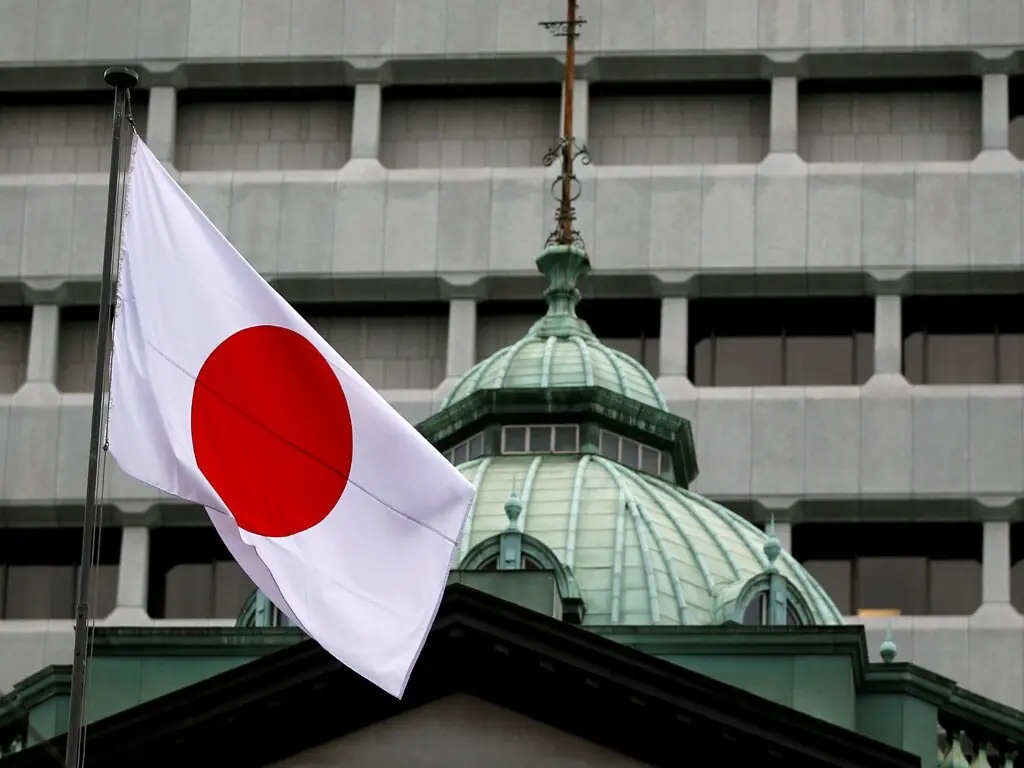
Japan spent an unprecedented 15.4 trillion yen, equivalent to USD 96 billion, on exchange rate interventions in the month leading up to late August, according to the finance ministry. This marks the highest monthly intervention on record. The Bank of Japan, in coordination with the ministry, stepped in to mitigate economic harm from volatile exchange rates.
The yen's depreciation is attributed to disparities between Japanese and US interest rates, soaring oil prices, and apprehensions surrounding Prime Minister Sanae Takaichi's fiscal policies, which are projected to deepen Tokyo's massive debts. The ministry announced the interventions took place between July 30 and August 26, though the specific dates are not disclosed.
On July 31, Tokyo and Washington made history by conducting their first joint intervention in 28 years to prop up a weakening yen, which had plummeted to a four-decade low. The US President, Donald Trump, lauded the coordinated effort as a "signal of friendship" and "beneficial for the global economy". The operation aimed to purchase yen following its historic low of 163.99 per dollar last month, the weakest level since 1986, which subsequently climbed to 157.40, its strongest since mid-May.
The yen recovered to 159.6 against the US dollar by Friday. The July intervention marked the first instance since 2011 wherein the United States and Japan, along with other G7 nations, engaged in selling yen to curb its ascent post a massive earthquake. The last joint yen purchase by Washington and Tokyo occurred in 1998. Analysts posit that the Trump administration's actions were twofold: to curtail the US trade deficit, as a weaker yen benefits Japanese exporters, and to facilitate Japan's USD 550 billion investment in the United States, as stipulated by a 2025 trade agreement.
Despite previous interventions and statements from Finance Minister Satsuki Katayama affirming Japan's readiness to act, the yen continues its decline. This downward trend is exacerbated by prior interventions and remarks from Katayama, aimed at dissuading investors from speculating further on the currency's depreciation.
Written by urgent.news from Business Recorder's reporting — not their text. Machine-written — may contain errors; check the original before relying on it.
This story
This is one outlet's version. Read the fullest account.