The SCO matters more to India now than it once did
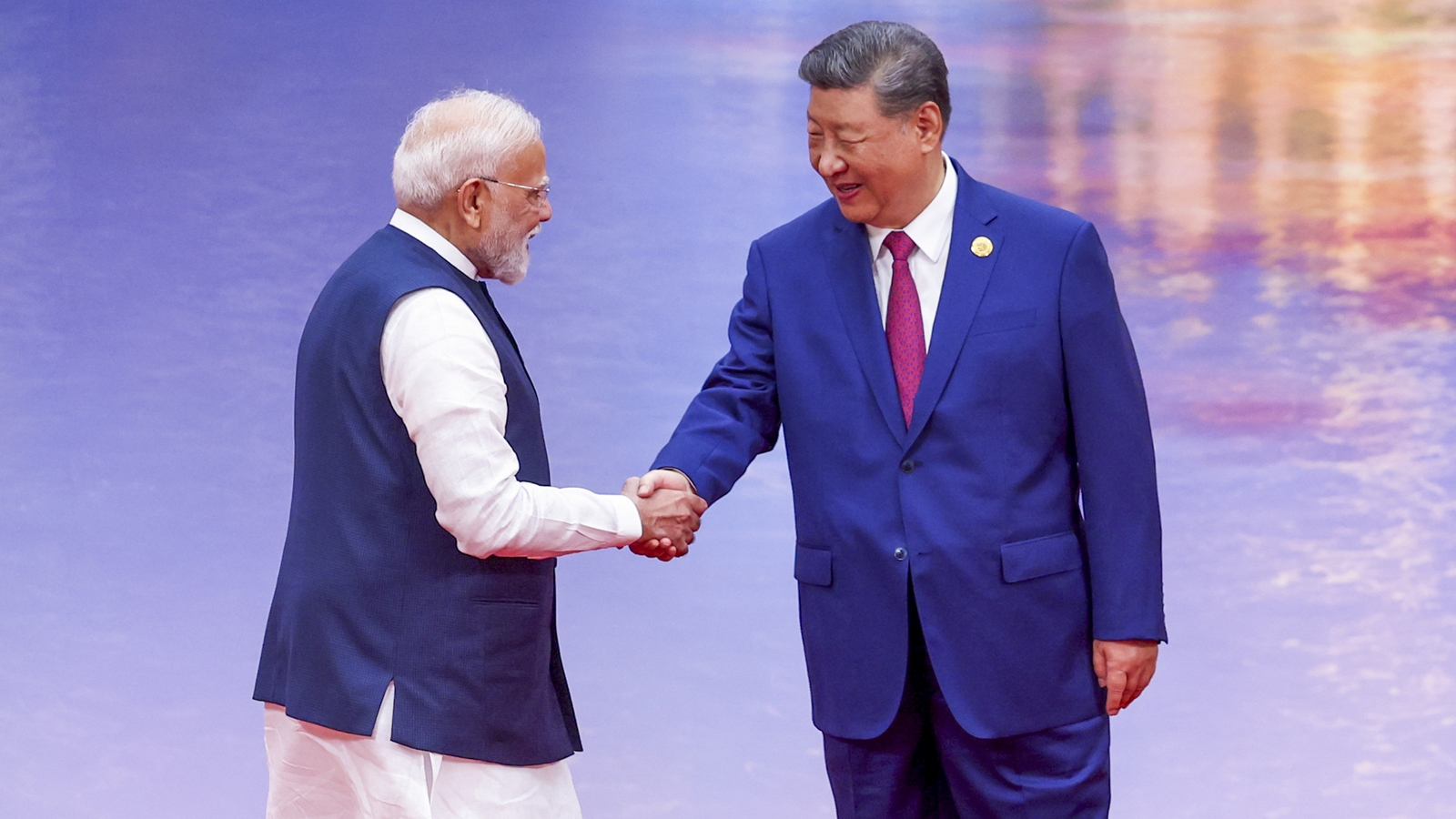
Bilateral meetings with Tashkent and the SCO Summit in Bishkek offer India a unique chance to reevaluate its Central Asian strategy, engagement with the Shanghai Cooperation Organization (SCO), and broader Eurasian outreach. Prime Minister Modi's interactions with other Eurasian leaders under the "Shanghai Spirit" framework could pave the way for substantive discussions at the upcoming BRICS Summit.
Over the last three decades, India has attempted to deepen its involvement in this extended neighborhood, but progress has been disappointingly limited. The challenges stem from strained relations with Pakistan, Afghan instability, and limited connectivity options through Iran, all of which have hindered India's commercial and energy partnership aspirations.
Connectivity alternatives through Iran have also suffered due to sanctions and other obstacles. Initial Central Asian discourse was primarily driven by geopolitics, oil and gas deals, and competing pipeline routes, later supplemented by the US "New Silk Road" strategy. Concerns over religious fundamentalism, Afghan instability, and China's growing influence in the region heightened India's strategic interest.
Strategic partnerships with all Central Asian countries, except Turkmenistan, were established by New Delhi in 2012, along with its 12-point "Connect Central Asia" policy. Modi's landmark visit to all five Central Asian republics in 2015 and India's full SCO membership in 2017 further underscored India's commitment to the region.
However, despite these efforts, India remains a relatively insignificant player. As Central Asia becomes more cohesive, and the geopolitical landscape shifts with evolving West Asia dynamics and significant changes within South Asia, India must reassess its SCO approach. The SCO remains the only multilateral platform encompassing Central and South Asia, along with Iran, making it a crucial platform for India.
Since last year's Tianjin summit, positive developments in India-China relations, including the latest eight-point consensus on the boundary issue, have emerged. The SCO Development Strategy 2035 and security concerns remain central to the SCO's agenda. With China, Russia, and Central Asian states seeking equilibrium amid shifting geopolitical influences, India has an opportunity to transition from a reactive to a proactive role within the SCO.
The 26th SCO summit in Bishkek will focus on peace, development, and prosperity, with the Prime Minister likely emphasizing connectivity and security. Proposing ambitious regional projects in energy, trade, and connectivity could enhance India's prospects in the BRICS summit, reinforce the India-China reset, and deepen its engagement with the Eurasian Economic Union.
Written by urgent.news from The Indian Express's reporting — not their text. Machine-written — may contain errors; check the original before relying on it.