The Floods Nepal Didn’t Cause
Flash floods, triggered by a glacial collapse in the Himalayas, have killed at least five hundred people in a nation that has contributed little to climate change but is disproportionately affected by it.
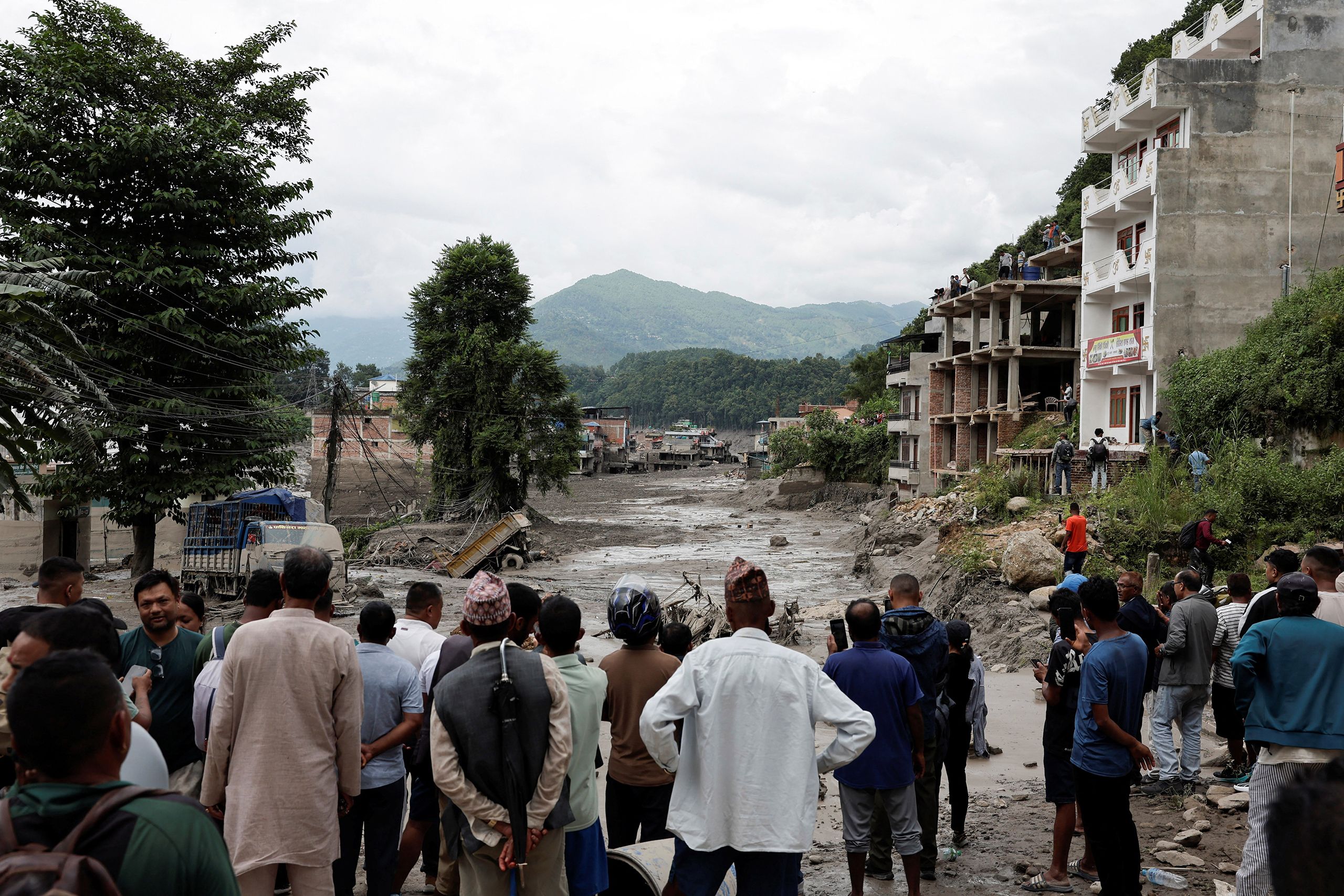
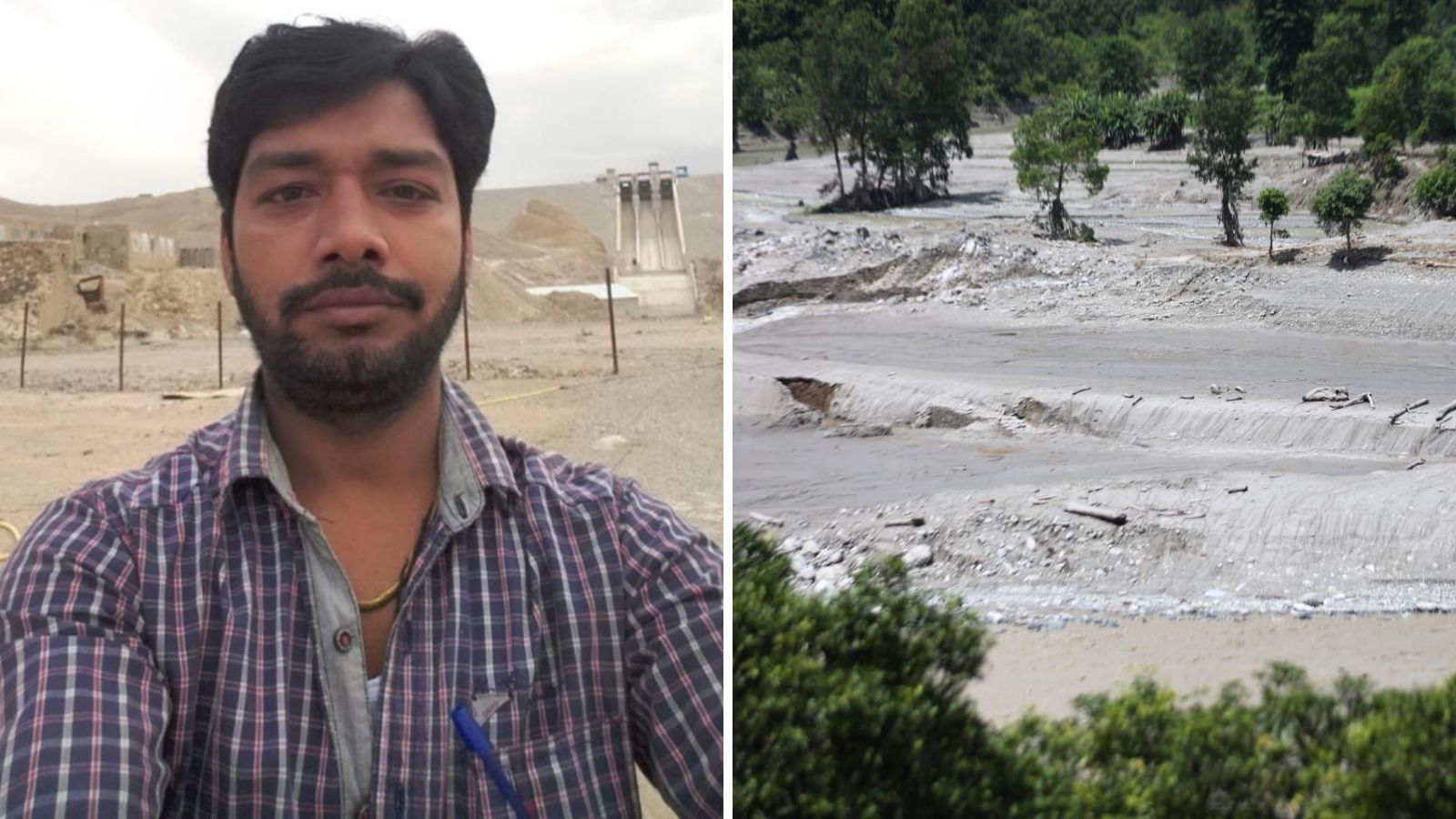
The floods that struck Nepal were not a result of human activity, but a natural disaster. In Nuwakot District, a region situated on elevated ground above the Trishuli River, many villages experienced devastating consequences. Poudel, a resident, lamented that he had never witnessed the river pose such a threat. However, on Wednesday, a catastrophic surge of water, debris and mud ravaged the region, claiming at least 538 lives as of Friday.
The death toll is expected to rise, with nearly two thousand people still unaccounted for. The towns and villages, once thriving, are now submerged in silt, leaving survivors to grapple with despair. Infrastructure crumbled, and telecommunications systems collapsed, stranding hundreds of thousands of people in a remote corner of the country.
Relief operations were temporarily halted due to concerns about a potential overflow from a newly formed lake upstream. Scientists believe the disaster was triggered by a glacial collapse in the Himalayas that resembled an earthquake. This catastrophe released a torrent of mud, rock, and water that overwhelmed the region's narrow valleys and waterways.
On the Chinese side, the Gyirong Port, a crucial border crossing, was entirely destroyed, impacting trade and tourism. Many missing individuals were foreign nationals, primarily Indian or Indian-origin pilgrims returning to or embarking on a journey to the revered Mount Kailash. The legend of Mount Kailash states that Lord Shiva captured the deluge in his hair to prevent the earth from drowning, subsequently forming the Ganges river.
Climate change has exacerbated the dangers of this sacred geography. Udas, a member of Nepal's Parliament and chair of its committee on international relations and tourism, emphasized that Nepal bears an unfair burden due to its location downstream of rapidly warming glacial systems. She hopes for Nepal to have a more significant role in global climate policy discussions and for better cooperation between Nepal, India, and China in managing the region's shared geological risks.
The floods have dealt a significant blow to a country already accustomed to crises, with corruption, poverty, and social inequities being longstanding issues. The recent political upheaval saw the toppling of the monarchy, the transition to a secular republic, and the emergence of a generation of reform-minded politicians. Despite these efforts, the country's natural vulnerabilities persist, and the floods have further exacerbated the situation, potentially setting Nepal's recovery back by at least a decade.
Written by urgent.news from The New Yorker's reporting — not their text. Machine-written — may contain errors; check the original before relying on it.