The deadly forces behind Nepal’s Himalayan disasters
In Langtang National Park, a large ice and rock collapse triggered a severe flooding incident, revealing Nepal's ongoing struggle with natural disasters intensified by climate change. Rapid urban growth and human activities exacerbate exposure to these perilous weather events. Although the government has taken steps to bolster disaster management, glaring weaknesses in early warning systems…
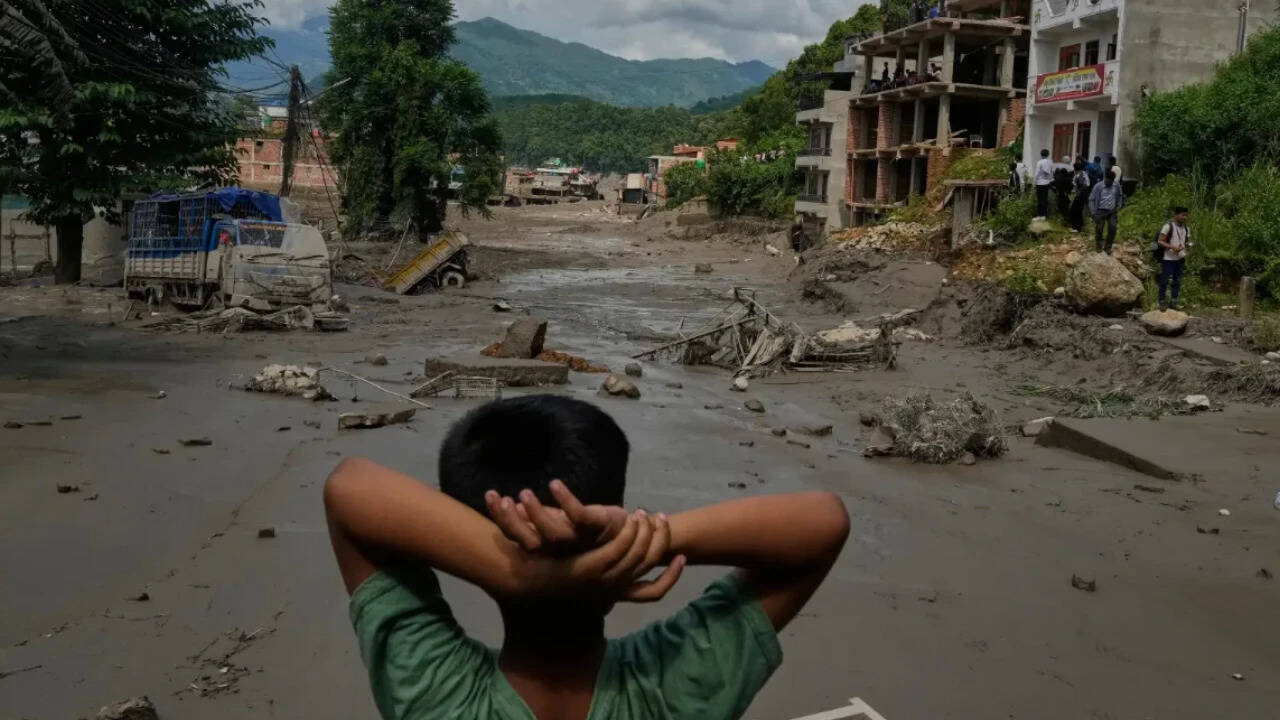
On August 26, a massive wall of ice and rock shattered loose in Nepal's Langtang National Park, sparking a deadly debris flow and flood surge that raced down rivers for over 100 kilometers. The event, initially recorded as a magnitude 4.4 tremor, was later upgraded to magnitude 5.2, with no prior rainfall trigger or earthquake. The disaster unfolded with alarming speed, with river levels rising dramatically within 30 minutes.
By August 29, Nepal's disaster authority reported 626 dead and 2,426 missing, with over 3,700 people rescued. China separately reported seven dead and 554 missing in Tibet. The destruction extended beyond the immediate flood zone, with 12 hydropower plants knocked offline, dozens of bridges washed away, and the main road connecting the valley to the rest of Nepal destroyed.
However, the Rasuwa flood was not an isolated incident. Nepal has faced a documented pattern of over 32,000 natural disaster incidents between 2018 and 2024, resulting in nearly 3,700 fatalities across various hazards including earthquakes, floods, landslides, avalanches, and glacial outbursts. The 2015 Gorkha earthquake remains the defining event, claiming 8,896 lives and causing $7 billion in damage, while also triggering landslides and an air blast that leveled the Langtang village.
The combination of steep slopes, active tectonics, and heavy rainfall in the Himalayas creates a unique set of hazards. Landslides and river blockages can persist for years after an initial event, amplifying risks further. The steep terrain also intensifies ground shaking, making earthquakes more destructive on high, steep slopes compared to flatter areas.
While Nepal ranked sixth most affected by extreme weather in 2024 according to Germanwatch's Climate Risk Index, this ranking was primarily driven by monsoon floods and landslides in September 2024, rather than underlying vulnerability. The country's exposure to extreme weather is evident, but more factors contribute to why disasters keep occurring.
Geological factors provide the foundation, but a warming high-mountain environment amplifies risks. Glaciers have retreated rapidly in the Hindu Kush Himalaya, leaving behind loose debris and unstable slopes. The combination of steep terrain, seismic energy, and changing climate conditions poses a significant challenge for disaster preparedness and mitigation in Nepal.
Written by urgent.news from Times of India's reporting — not their text. Machine-written — may contain errors; check the original before relying on it.