Subsidy: Between Tinubu, Atiku, Obi
The removal of petrol subsidy by the President Bola Ahmed Tinubu’s administration has become one of the most consequential economic decisions of the federal government in recent years, altering the cost of transportation, food and household consumption across Nigeria. Since the policy was announced in President Tinubu’s inaugural address on May 29, 2023, petrol prices […]
The removal of petrol subsidy by President Bola Ahmed Tinubu's administration has sparked a major economic and political debate in Nigeria. Announced on May 29, 2023 during Tinubu's inaugural address, the removal was justified as a necessary step to avoid fiscal collapse and redirect resources towards essential sectors such as infrastructure, health, education, and agriculture.
However, the immediate impact has been a surge in living costs for millions of Nigerians, with petrol prices skyrocketing and affecting transportation, food, and household expenses across the nation.
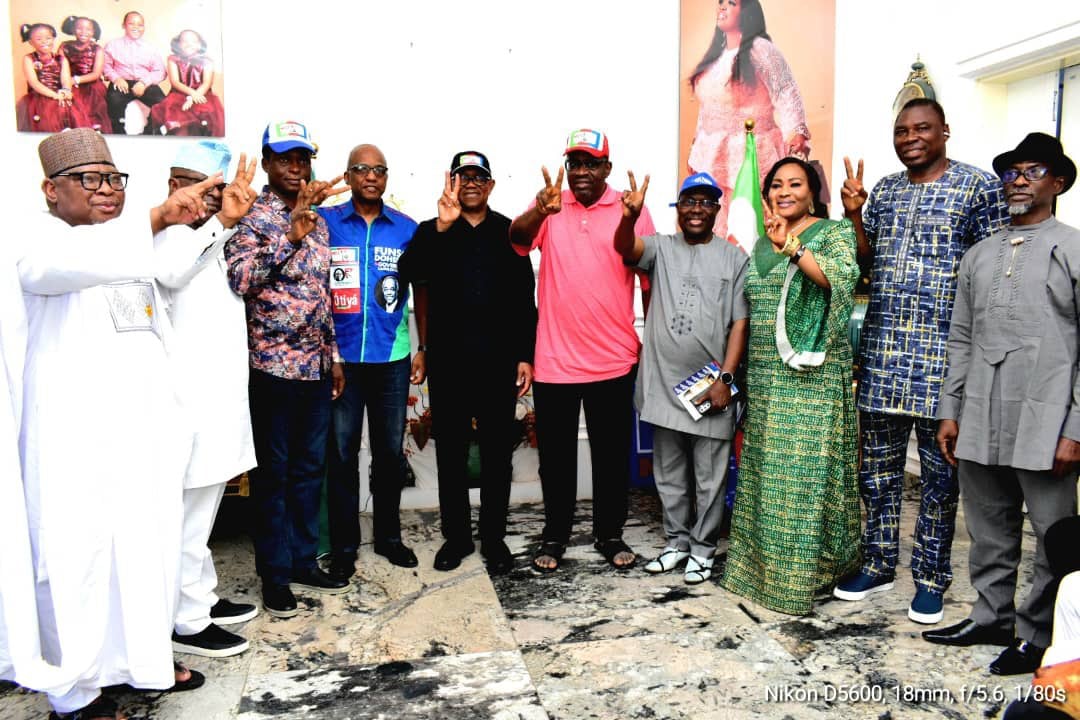
Former Vice President and presidential candidate of the ADC, Atiku Abubakar, is proposing a redesigned subsidy regime if elected president in 2027, while the Nigeria Democratic Congress (NDC) candidate Peter Obi agrees with the removal but argues that the revenue from subsidy should have been better managed and reinvested for the benefit of Nigerians.
The administration defends the decision, claiming that it has allowed Nigeria to avoid bankruptcy, boost economic growth, and improve fiscal stability. They point to reforms in infrastructure, agriculture, social investment, foreign exchange management, and fiscal discipline as evidence of progress since the subsidy removal. The Finance Minister, Taiwo Oyedele, reported that the savings from petrol subsidy amounted to N15.8 trillion between 2023 and 2025, with N5.4 trillion going to the federal government and N10.4 trillion distributed among state and local governments.
Despite these claims, the opposition questions whether the sacrifices made by citizens have resulted in sufficient benefits. The administration had promised mass transportation schemes to alleviate the burden on Nigerians, including the Presidential Compressed Natural Gas (CNG) initiative. However, three years into the administration, transportation costs remain a significant concern for low-income earners, as the government falls short of its CNG infrastructure targets.
Written by urgent.news from Daily Trust's reporting — not their text. Machine-written — may contain errors; check the original before relying on it.