Subhash Chandra’s Rs 6.5-crore settlement: What are ‘haircuts’ and how high can they get?
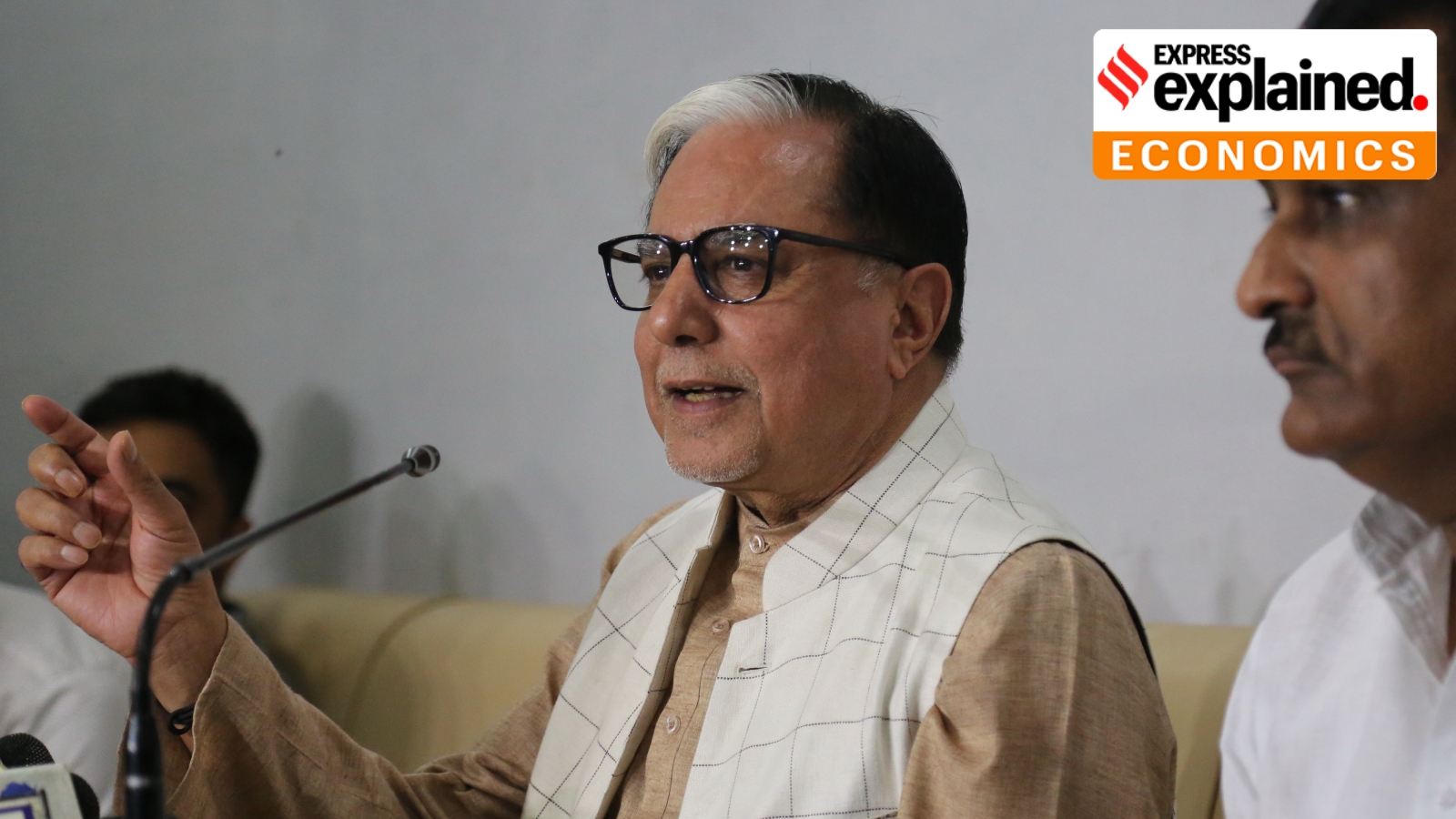
Zee Group founder Subhash Chandra has recently been ordered by the National Company Law Tribunal (NCLT) to pay only Rs 6.5 crore to his creditors out of the admitted claims of Rs 22,006.57 crore. This settlement has reignited debates about deep "haircuts" in the Insolvency and Bankruptcy Code (IBC) framework. In simple terms, a haircut refers to the reduction in the value of an asset used as collateral to protect lenders from potential losses.
According to the IBC, the tribunal appoints two valuers to determine the fair value and liquidation value of the company's assets. The fair value is an estimate of the company's current worth, while the liquidation value is the amount creditors would receive if the company's assets were sold, usually through auction. Once the resolution plan is approved by both creditors and the NCLT, the debt-ridden company is transferred to another party, which pays back the creditors.
However, in recent years, the recovery rate against admitted claims has been as low as 20%, with a total realisation of only 20% in FY26. This has raised concerns about the effectiveness of the IBC's resolution mechanism. Banks argue that the issue lies in the valuation of stressed companies, with suggestions to include all assets and use internationally accepted valuation methods.
However, the government maintains that resolution should be the primary focus over recovery, as the IBC's objective is to rescue companies under financial stress through either revival or liquidation.
Written by urgent.news from The Indian Express's reporting — not their text. Machine-written — may contain errors; check the original before relying on it.