Peeling back the past: Secrets uncovered at KL's heritage sites
KUALA LUMPUR: Sometimes, the clues to a building’s past are hiding in plain sight.
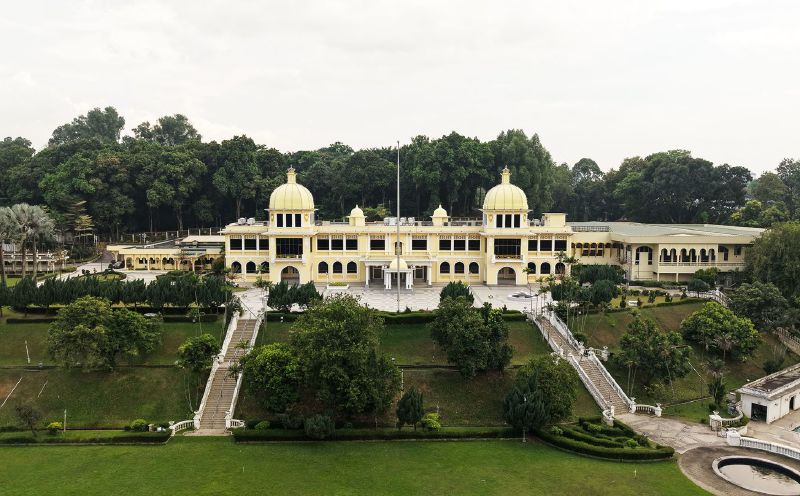
KUALA LUMPUR: Hidden at the Muzium Diraja Kuala Lumpur, a restoration team discovered a double-layer roof and other features that differed from usual Malaysian construction techniques. In Seri Negara, peeling away layers of paint unveiled an original duck egg green colour, along with an old staircase that had been concealed beneath a pathway.
At Medan Pasar, removing decades of modifications revealed frescoes, Venetian-arched windows, decorative details, and construction methods that provided a glimpse into early Kuala Lumpur's building practices. The restoration teams at these three heritage sites focused on understanding the buildings' original states instead of merely making them look new.
Muhammad Hanif Mohamad Sharif, deputy project manager at Kamal Engineering, noted the unusual double roof at Muzium Diraja, which likely served as insulation, reflecting construction practices used in other climates, such as Britain. Built in 1929 as a wealthy Chinese businessman's residence, the building later served as a Japanese military headquarters before becoming a royal residence and museum.
Each phase of its history left traces, requiring restoration teams to differentiate between original features and later alterations. Samples of timber flooring and lime plaster were analyzed to determine their original composition, and original elements like tessellated tiles were preserved. At Seri Negara, removing paint layers revealed the building's original duck egg green colour, which guided decisions on the restoration of windows and door frames.
Historical drawings, illustrations, and old photographs helped the team understand the 113-year-old building's evolution, but the physical fabric remained the most crucial source of information. In Medan Pasar, restoration extended beyond individual buildings to an entire historic streetscape. The area, once a bustling commercial center during Kuala Lumpur's growth as a trading and supply hub, saw many buildings altered, underused, or deteriorated.
The Creador Foundation's co-founders, Brahmal Vasudevan and Shanti Kandiah, discovered remnants of original frescoes and facades, including Venetian-arched windows, a consistent cornice-line height, Neoclassical elements, and a distinctly Malayan interpretation of Art Deco. These findings reveal evidence of the craftsmanship, climatic adaptation, cultural exchange, and architectural evolution of early Kuala Lumpur.
However, the restoration aims to breathe new life into Medan Pasar, transforming it into a vibrant arts, food, retail, and community hub while preserving the stories embedded in its walls, floors, and structures.
Written by urgent.news from New Straits Times's reporting — not their text. Machine-written — may contain errors; check the original before relying on it.