More mosquitoes, less birdsong: Increasingly extreme El Ninos may favour pests while other animals swelter
More frequent and extreme El Nino events could push Singapore’s wildlife to the limit, while sparing human-adapted animals like mosquitoes, crows and pigeons.
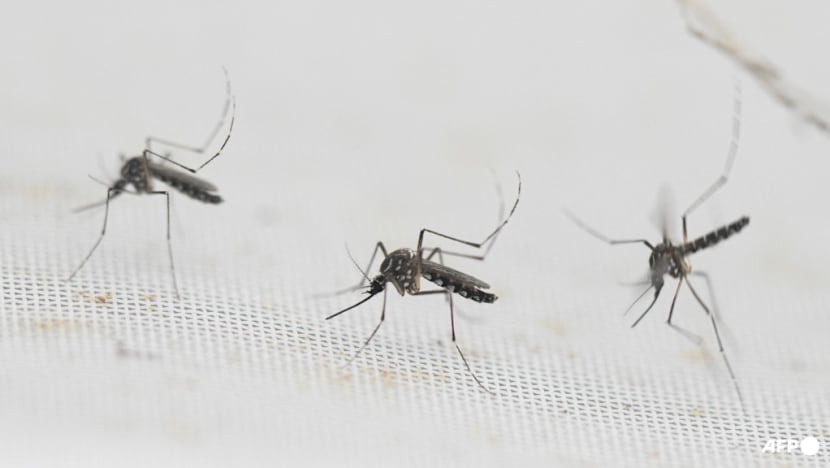
Extreme El Nino events could benefit Singapore's human-adapted species like mosquitoes, cockroaches, and urban birds while negatively impacting native wildlife that relies on natural food sources. Mosquitoes are already well-suited to Singapore's tropical climate and dense urban environment, and hotter weather can accelerate their life cycles and virus multiplication.
Cockroaches, such as the American and German cockroaches, are highly adaptable and can thrive in human infrastructure. Similarly, human commensal bird species like mynas and pigeons are likely to remain unaffected by El Nino conditions as they rely on human food waste and infrastructure.
However, native wildlife like yellow-vented bulbuls, scarlet-backed flowerpeckers, boars, macaques, and the critically endangered Raffles' Banded Langur may struggle with prolonged heat and reduced rainfall. These animals may need to retreat to cooler, sheltered areas or become nocturnal to cope with the extreme temperatures. This could lead to reduced reproductive success, smaller body sizes, and decreased breeding success for many bird species.
Experts warn that stronger and more frequent El Ninos could push these species beyond their adaptability, potentially causing irreversible damage to ecosystems and wildlife populations in Singapore.
Written by urgent.news from Channel News Asia's reporting — not their text. Machine-written — may contain errors; check the original before relying on it.
This story
This is one outlet's version. Read the fullest account.