More mosquitoes, less birdsong: Increasingly extreme El Ninos may favour pests while other animals swelter
More frequent and extreme El Nino events could push Singapore’s wildlife to the limit, while sparing human-adapted animals like mosquitoes, crows and pigeons.
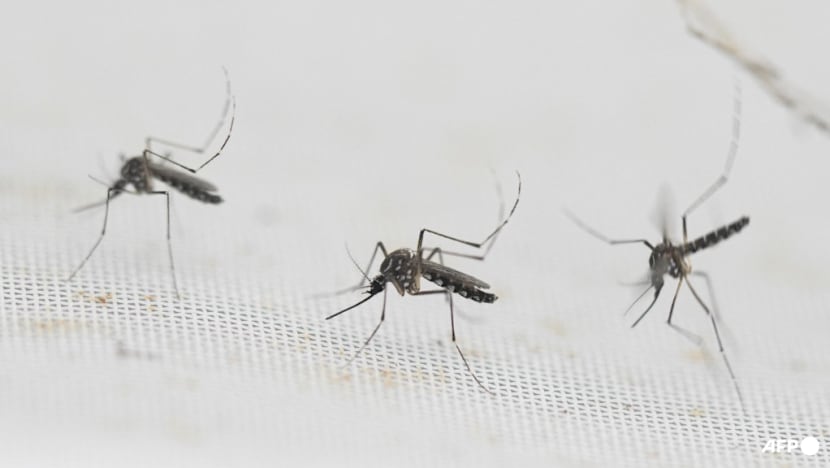
An increasingly extreme El Nino could favour pests such as mosquitoes, cockroaches and pigeons while posing challenges for native birds and animals, a new study suggests. Many wildlife species rely on natural food sources, and hotter, drier weather can disrupt their life cycles and make it harder for them to find food, experts warn.
Mosquitoes already thrive in Singapore's tropical climate and dense urban environment, and hotter weather can accelerate their life cycles and virus multiplication, according to the National Environment Agency (NEA). The agency predicts hotter and drier weather for Singapore from June to October, which overlaps with the traditional peak dengue season from May to October.
Other animals, including cockroaches and human commensal birds like mynas and pigeons, are more likely to benefit from the extreme conditions, as they can utilise human infrastructure to survive. However, native animals like boars, macaques and the critically endangered Raffles' Banded Langur may face stress due to prolonged heat and reduced rainfall.
Experts warn that consistently hot temperatures could negatively impact the reproductive success of many bird species, resulting in failed broods and increased mortality. For insects, hotter conditions may reduce numbers and types, as they retreat to cooler, sheltered areas or become nocturnal. Soil-dwelling insects may burrow deeper, making them harder to find for insect-eating species like the critically endangered Sunda Pangolin.
Written by urgent.news from CNA - Singapore's reporting — not their text. Machine-written — may contain errors; check the original before relying on it.