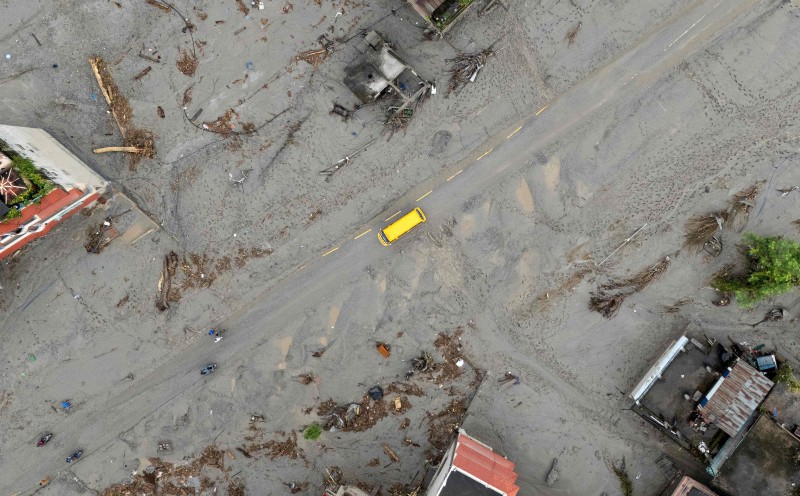
Himalayas reel under mounting price of ‘progress’ I From HT Archives
The Himalaya is bleeding today on account of the onslaught of aggressive development. It is a heaven for the exploiters but a hell to the local toiling masses.

The Himalayas, long revered as a place of spiritual inspiration, natural beauty, and trade, have been plagued by poverty in recent times. Once a prosperous region, its downfall can be attributed to the relentless pursuit of modern development, particularly the construction of roads and airstrips.
Rulers from India, China, and Pakistan have prioritized development, often at the expense of preserving the region's natural resources. The clearing of lush green forests for commercial purposes and the displacement of wild animals has led to the destruction of the very ecosystem that once sustained this mountainous region.
Moreover, the greed for wood and animal skins has resulted in the felling of cedar trees in the Gangotri region and the felling of thousands of trees in the Tons valley, all under the guise of removing dead and dying trees. This destruction has not been limited to India, but has also occurred in Tibet, Pakistan, and Nepal, where forests have been clear-felled to meet the demands of urban centers and settlers.
The consequences of deforestation have been severe, leading to climatic changes, glacier recession, soil erosion, and water scarcity. The modernization efforts have resulted in both ecological disaster and economic ruin, making the wealthiest 20% of the population's income 150 times greater than that of the poorest 20%.
Despite living in the mountainous regions, these people significantly influence the destinies of at least 40% of the population living in the plains. The Himalayas, known as the water towers of humankind, have now become sources of disaster due to wanton exploitation, with major rivers like the Brahmaputra, Ganga, and Indus facing threats from continuous glacier recession.
Written by urgent.news from Hindustan Times's reporting — not their text. Machine-written — may contain errors; check the original before relying on it.