From viral reels to traditional meals: The social media effect on food culture in Keralam
Dining choices are increasingly shaped by a restaurant’s digital presence, captivating food visualisations, and social media popularity
In Kozhikode, Gen Z individuals like Athira K.B. are heavily influenced by social media when it comes to selecting restaurants and trying new dishes. The 22-year-old college student says that if a restaurant frequently appears on her Instagram feed, she is inclined to visit and explore what makes it unique. This trend is not exclusive to young adults; people of all ages are drawn to social media food content, seeking recommendations from creators and finding inspiration for home cooking.
Athul K., a 32-year-old IT professional from Kochi, shares that while he still favors familiar family recipes, social media has introduced him to restaurants offering traditional dishes. Akshara Ashok, a banker from Pala, explains that she used to rely on personal recommendations but now checks videos and reviews before visiting new eateries.
She notes that a concise food video can be enough to evoke cravings for dishes a person has never tasted.
From regional biryani variations to colorful halwas and creamy desserts, culinary content has become highly engaging on the internet. Instagram Reels, YouTube videos, and other digital platforms have fundamentally transformed the way people investigate dining options. Paragon Group of Restaurants CEO Sumesh Govind observes that, ultimately, a restaurant's authenticity and consistency will lead to success, regardless of its online popularity.
Even the youngest generation is being exposed to new flavors and culinary traditions through food videos. At 12, Ananya S. from Palakkad enjoys watching cooking videos and occasionally asks her mother to recreate the dishes she sees online. These videos expose younger audiences to diverse culinary customs and pique their curiosity.
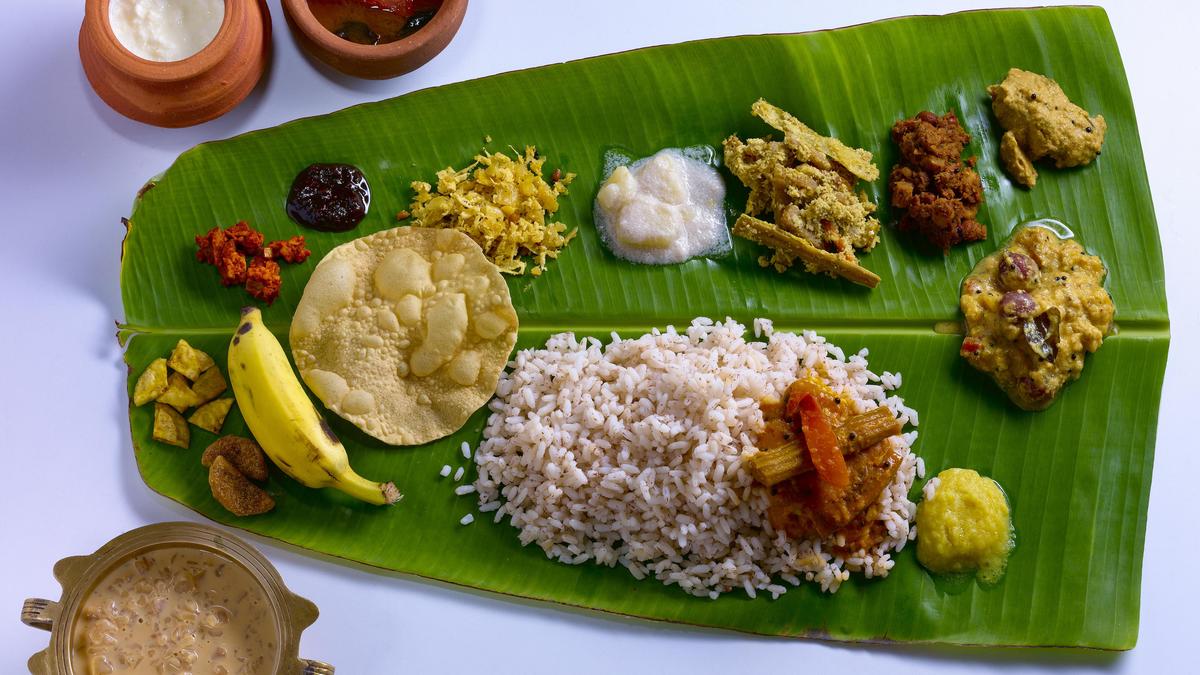
Furthermore, viral media is reviving heritage cuisine. Kottayam resident Thankamma Joseph, 67, notes that dishes such as kanji, kappa, and traditional meals have gained new popularity through visually appealing modern food content. Her grandchildren frequently share videos showcasing classic recipes that are regaining recognition, a development that brings her joy as it stirs memories of her own youth.
However, social media can also create unrealistic expectations. Homemaker Fathima Sherin from Thrissur points out that food often appears more appealing in videos than it does in reality, highlighting the importance of not relying solely on viral content or vlogger opinions. The evolving dining routines within households are a direct result of these online trends.
Suma Rajan, a homemaker from Koothuparamba, says her children increasingly request dishes they witness in videos. Young individuals like Alwin Jose, a 23-year-old college student from Alappuzha, are eager to recreate and sample regional specialties after watching food videos.
Written by urgent.news from The Hindu's reporting — not their text. Machine-written — may contain errors; check the original before relying on it.