After 6 months of war, hardliners consolidate power in Iran, but there are ‘serious differences over the future path of the country’
President Masoud Pezeshkian is one of the most prominent voices still calling for a negotiated solution.
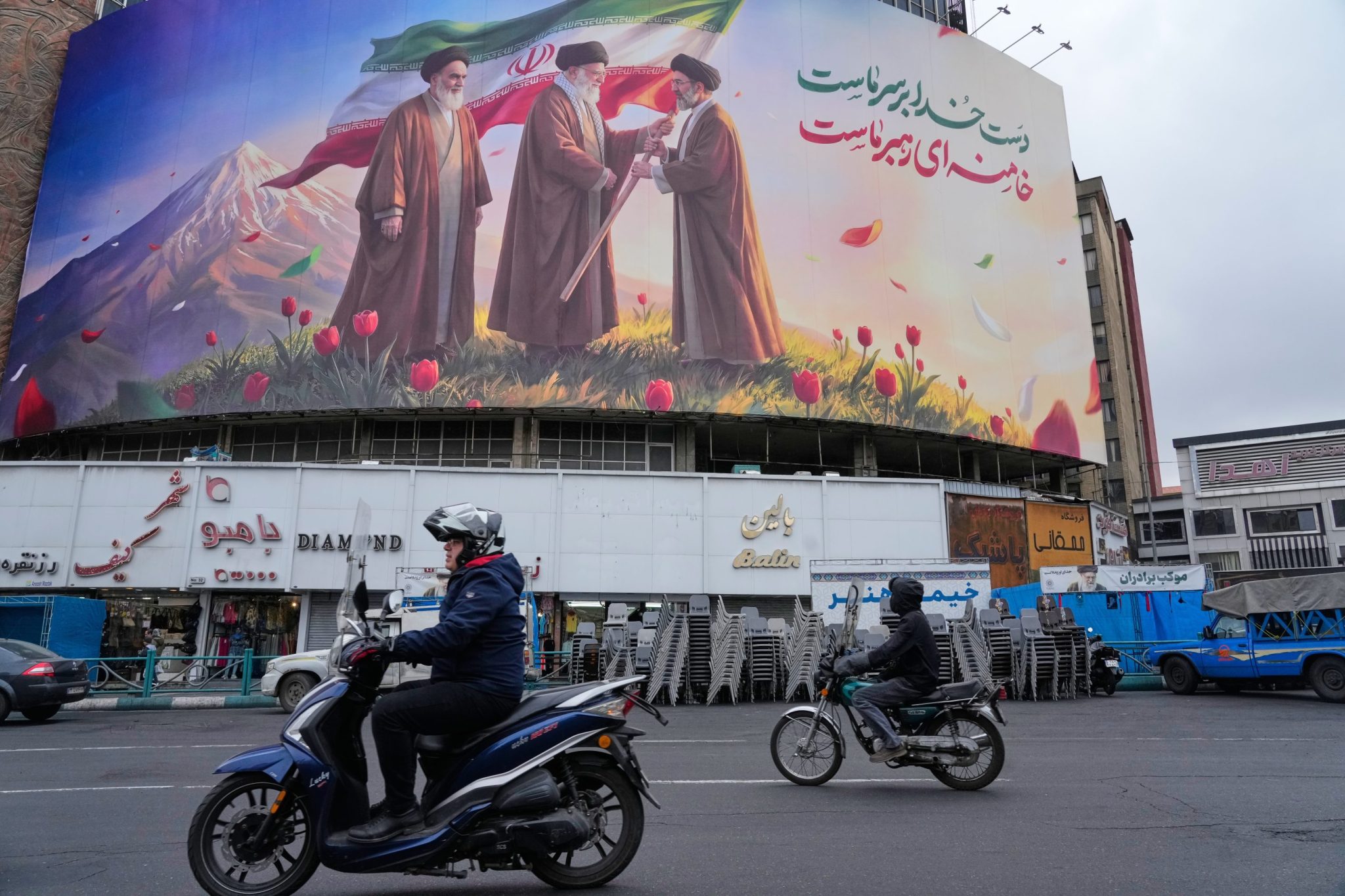
In the aftermath of six months of conflict, Iran's leadership has united behind a faction composed of military generals and clerics who have been influential within the theocratic government. These hardliners are prepared for an extended clash with the United States and intend to suppress any domestic dissent. This stands in stark contrast to the hopes of previous U.S. President Donald Trump, who initially sought to overthrow the Islamic Republic and later claimed that "regime change" had put more pro-American officials in power.
Iran's new leaders display little trust in any agreement with Trump, following two attacks on them during negotiations. They may also be anticipating another attack once the U.S. restocks its interceptors. Additionally, they have warned that they will intensify the war if the U.S. maintains a blockade and enacts new sanctions, which are already exacerbating Iran's struggling economy.
Mohsen Rezaei, the new secretary of Iran's Supreme National Security Council, stated that "if the economic war continues, not a single drop of oil will be exported" from the Persian Gulf. The appointments were made through a series of decrees by Ayatollah Mojtaba Khamenei, Iran's supreme leader. Khamenei's father, along with many other high-ranking officials, perished in a U.S.-Israeli bombing campaign on February 28.
The newly appointed head of the Basij, Hossein Taeb, is a hard-line cleric and former intelligence chief who led a major crackdown on protests in January, resulting in numerous fatalities. His selection underscores the regime's commitment to preventing further unrest and discontent over the worsening economic situation. The suppression of the supreme leader, Ayatollah Ali Khamenei, following the Israeli strikes may be attributed to security concerns, either stemming from his injuries or his location in Israel's sights.
The elder Khamenei was succeeded by his son, Ayatollah Mojtaba Khamenei, who is currently absent from public view and has reportedly been wounded in the strikes. The younger Khamenei is believed to be under significant security scrutiny, which could be due to the potential threat from Israel or the severity of his injuries. The younger Khamenei is being surrounded by loyal allies, including Mohsen Rezaei and Hossein Taeb, described by analyst Sascha Bruchmann of the International Institute for Strategic Studies' Middle East office as "a clique of older senior officers who've served together over the last decades."
Rezaei, 71, previously commanded the paramilitary Revolutionary Guard during its early years, throughout the 1980-1988 war with Iraq, and until 1997. He has run for president multiple times as a hard-line candidate since 2009. Brig. Gen. Ahmad Vahidi, 68, has been confirmed as head of the Guard, succeeding his predecessor who was killed alongside the elder Khamenei.
Other confirmed positions include the acting commander of the Guard's naval forces, Gen. Ali Ozmaei, and the military chief of staff, Gen. Ali Abdollahi. While the appointments suggest a consolidation of power among hard-liners, moderates caution against escalating the conflict due to Iran's deteriorating economy. Homayoun Falakshahi, a top oil analyst at Kpler, noted that the selection of Rezaei and Vahidi demonstrates "greater influence for officials associated with a tougher stance."
However, escalation might not be the only outcome, as Iran might struggle to achieve deterrence without incurring retaliation that would further harm its already fragile economy. A ceasefire agreement reached in June has already collapsed due to ongoing exchanges of attacks. Iran has demanded the release of billions in frozen assets as per the deal, as well as formal control over the Strait of Hormuz.
President Masoud Pezeshkian remains a vocal advocate for a negotiated solution, criticizing hard-liners for dismissing the June ceasefire deal as conceding too much. In contrast to those who reject dialogue, Rezaei has indicated a willingness for a deal if the U.S. alters its approach. Tehran-based political analyst Ahmad Zeidabadi emphasized the "serious differences over the future path of the country," stating that hard-liners oppose normalization with the U.S. due to their belief that "their survival depends on the existence of conflict and hostility."
Written by urgent.news from Fortune's reporting — not their text. Machine-written — may contain errors; check the original before relying on it.
This story
This is one outlet's version. Read the fullest account.
- Iran war at 6 months: Who gained, who lost the most economically timesofindia.indiatimes.com
- Hormuz remains closed until US military actions end, Iran says middleeasteye.net
- US military families ride 'roller coaster of emotions' over six months of Iran war al-monitor.com
- Six months on, Iran’s leaders defying US and signaling no tolerance for dissent dailytimes.com.pk
- US military families ride ‘roller coaster of emotions’ over six months of Iran war timesofisrael.com
- 6 months in, Iran's leaders are defying the U.S. and signaling no tolerance for dissent pbs.org
- US military families ride ‘roller coaster of emotions’ over six months of Iran war myjoyonline.com
- Six months on, what did the strikes on Iran achieve? aljazeera.com