Why India needs to look beyond typhoid to address the health burden of Salmonella infections
Non-typhoidal Salmonella infections, which often cause gastroenteritis, may go undiagnosed because many people recover without testing. Strengthening of training, sanitation, refrigeration and across food systems is crucial, especially as antibiotic resistance is making serious infections harder to treat
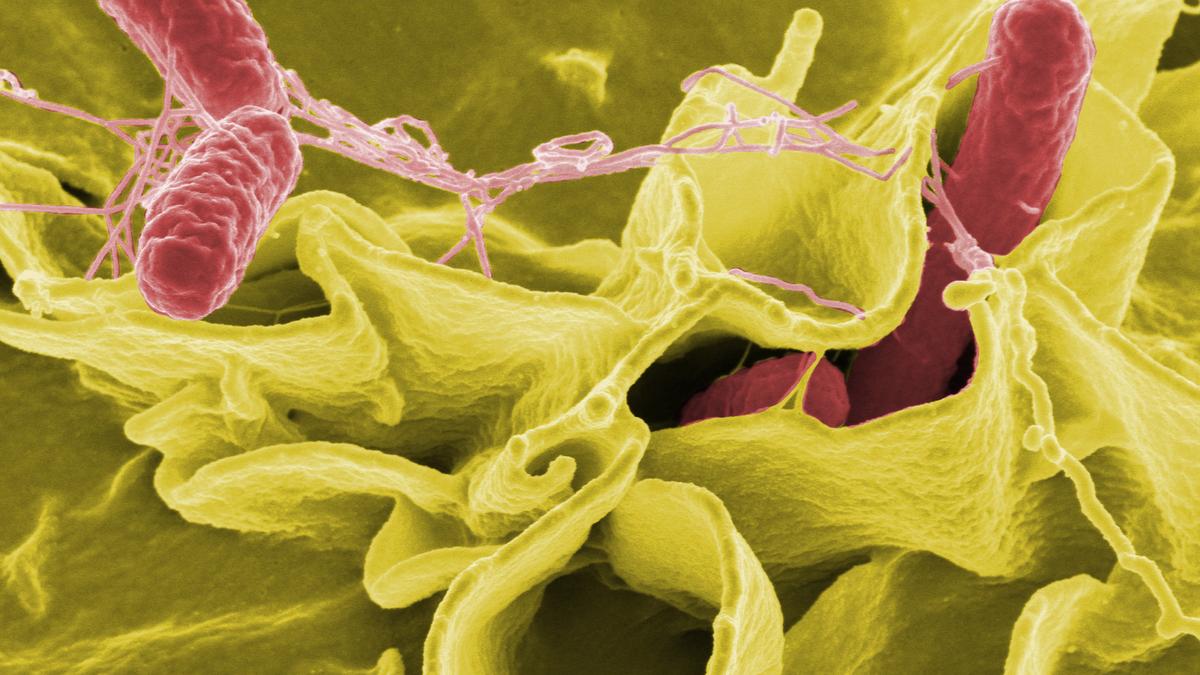
Salmonella infections, often associated with food poisoning and diarrhoea, are a significant health concern in India, according to experts. While typhoid remains a major burden, with over 4.9 million cases and 7,850 deaths in 2023, non-typhoidal Salmonella infections are also a concern. These infections, which can cause gastroenteritis, may go undiagnosed due to mild symptoms or lack of testing.
Antibiotic resistance is complicating treatment of these serious infections, particularly in young children, older adults, and those with weakened immunity.
Salmonella, a group of bacteria, can cause different infections, with typhoid and paratyphoid (enteric fever) being the most severe, often caused by Salmonella Typhi and Salmonella Paratyphi, respectively. Non-typhoidal Salmonella, which commonly causes gastroenteritis, can be linked to poultry, eggs, and other animal-based foods.
It usually spreads through contaminated food or water, but the sources are different for typhoid and non-typhoidal Salmonella. Typhoid is primarily a human reservoir, while non-typhoidal Salmonella has a wider ecology involving animals, food, and the environment.
The problem extends beyond typhoid, as non-typhoidal Salmonella infections often go unrecognized. Food safety measures, including proper sanitation, hygiene, refrigeration, and proper food handling, are crucial in preventing transmission. However, the Food Safety and Standards Authority of India faces challenges in monitoring the vast informal food sector.
The growing antimicrobial resistance in Salmonella is a significant concern, with fluoroquinolone resistance reaching 85% in 2015-19 and carbapenem-resistant strains documented in India. Blood culture is the main test for suspected typhoid, and antibiotics should be used judiciously to avoid driving antimicrobial resistance. Prevention, including proper hygiene and food handling, remains critical in combating Salmonella infections.
Written by urgent.news from The Hindu - Sci-Tech's reporting — not their text. Machine-written — may contain errors; check the original before relying on it.
This story
This is one outlet's version. Read the fullest account.