Why India needs to look beyond typhoid to address the health burden of Salmonella infections
Non-typhoidal Salmonella infections, which often cause gastroenteritis, may go undiagnosed because many people recover without testing. Strengthening of training, sanitation, refrigeration and across food systems is crucial, especially as antibiotic resistance is making serious infections harder to treat
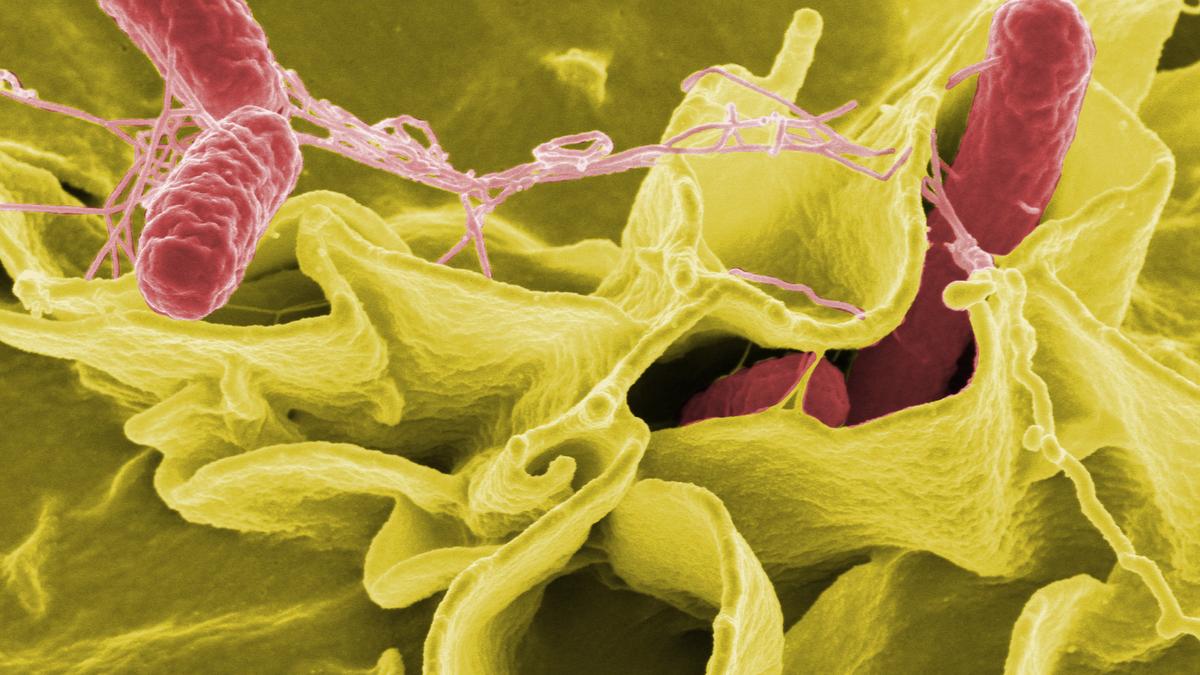
Salmonella, a bacterium known for causing food poisoning, diarrhoea and typhoid, is often underestimated in its potential severity. The infection can range from mild gastroenteritis that resolves on its own to a serious bloodstream infection, necessitating greater attention, according to experts. Typhoid, a significant health burden in India, affected an estimated 4.9 million people and caused about 7,850 deaths in 2023, with 730,000 hospitalisations. Most of these hospitalisations were due to fluoroquinolone-resistant infections.
Non-typhoidal Salmonella infections, often associated with gastroenteritis, may go undiagnosed as many individuals recover without testing. These infections, primarily caused by consuming contaminated poultry, eggs, or other animal-based foods, can be serious, especially in vulnerable populations like young children, older adults, and those with weakened immunity.
"Salmonella is not just a cause of diarrhoea," emphasizes Dr. Sweatha Kumar, an infectious diseases consultant at Rela Hospital in Chennai. "In certain groups, it can become invasive and life-threatening."
Estimating the true burden of non-typhoidal Salmonella is challenging, as many mild cases go undiagnosed. Both typhoid and non-typhoidal Salmonella infections spread through the faecal-oral route, but their sources differ. Typhoid is primarily a human reservoir, while non-typhoidal Salmonella can originate from various animal sources and contaminated food.
Prevention requires addressing inadequate sanitation, safe drinking water, and proper food handling across the entire supply chain, from farms to households. Food handlers play a crucial role in transmission, and improving training and sanitation measures is vital.
The growing problem of antibiotic resistance in Salmonella is a major concern. In India, fluoroquinolone resistance among Salmonella Typhi has surged to 85% in recent years, posing a significant challenge for treatment. This resistance trend underscores the need for a multifaceted approach to tackle Salmonella infections, focusing on prevention, early diagnosis, and judicious use of antibiotics.
Written by urgent.news from The Hindu Health's reporting — not their text. Machine-written — may contain errors; check the original before relying on it.