Why glacier collapse that caused flash flood in Nepal is a warning sign for Himalayas? Is it a first of many?
In the aftermath of devastating flash floods that killed more than 350 in Nepal, scientists attribute the disaster to a glacier collapse in Tibet. Increased natural disasters in the region signal grave concerns about global warming’s effects on the Himalayas' glaciers and ecosystems.
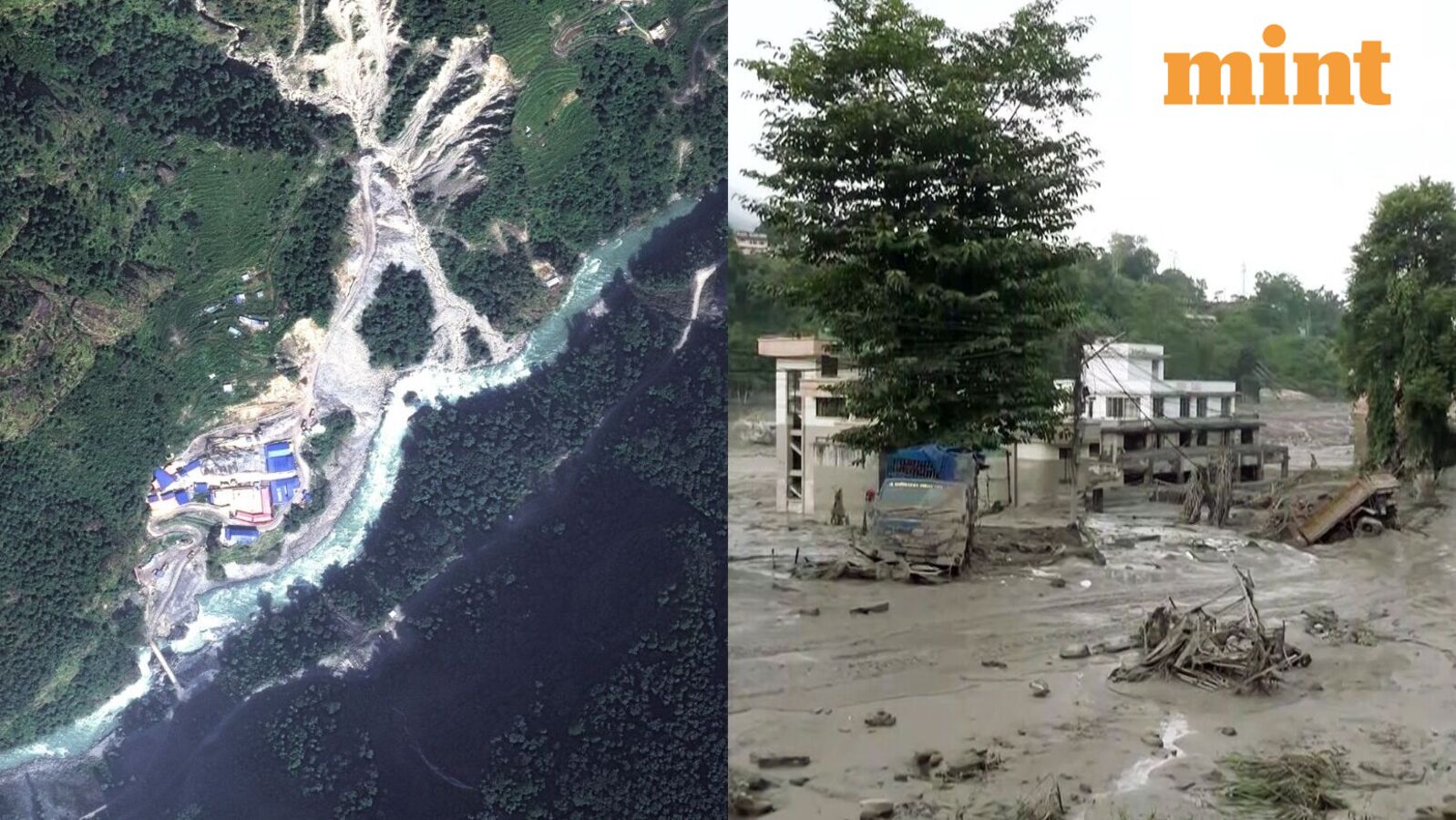
A massive glacier collapse in Tibet triggered a flash flood in Nepal, highlighting the dangers of climate change in the Himalayas. Over 350 people died, and hundreds remain missing as rescue efforts continue amid the debris. The US Geological Survey measured the seismic waves from the event at a 5.2 magnitude, equivalent to a significant earthquake.
Scientists used seismic, satellite, and video data to analyze the glacier collapse and its impact on local waterways. Climate change is accelerating glacier melting in the Himalayas, increasing the risk of natural disasters. Experts warn that similar incidents may occur more frequently in the future due to the region's vulnerability to rising temperatures.
Written by urgent.news from Live Mint's reporting — not their text. Machine-written — may contain errors; check the original before relying on it.