Who pays for a shadow fleet oil spill? No one
The most effective way to stop rogue oil tankers may be to call them what they are: an environmental threat.
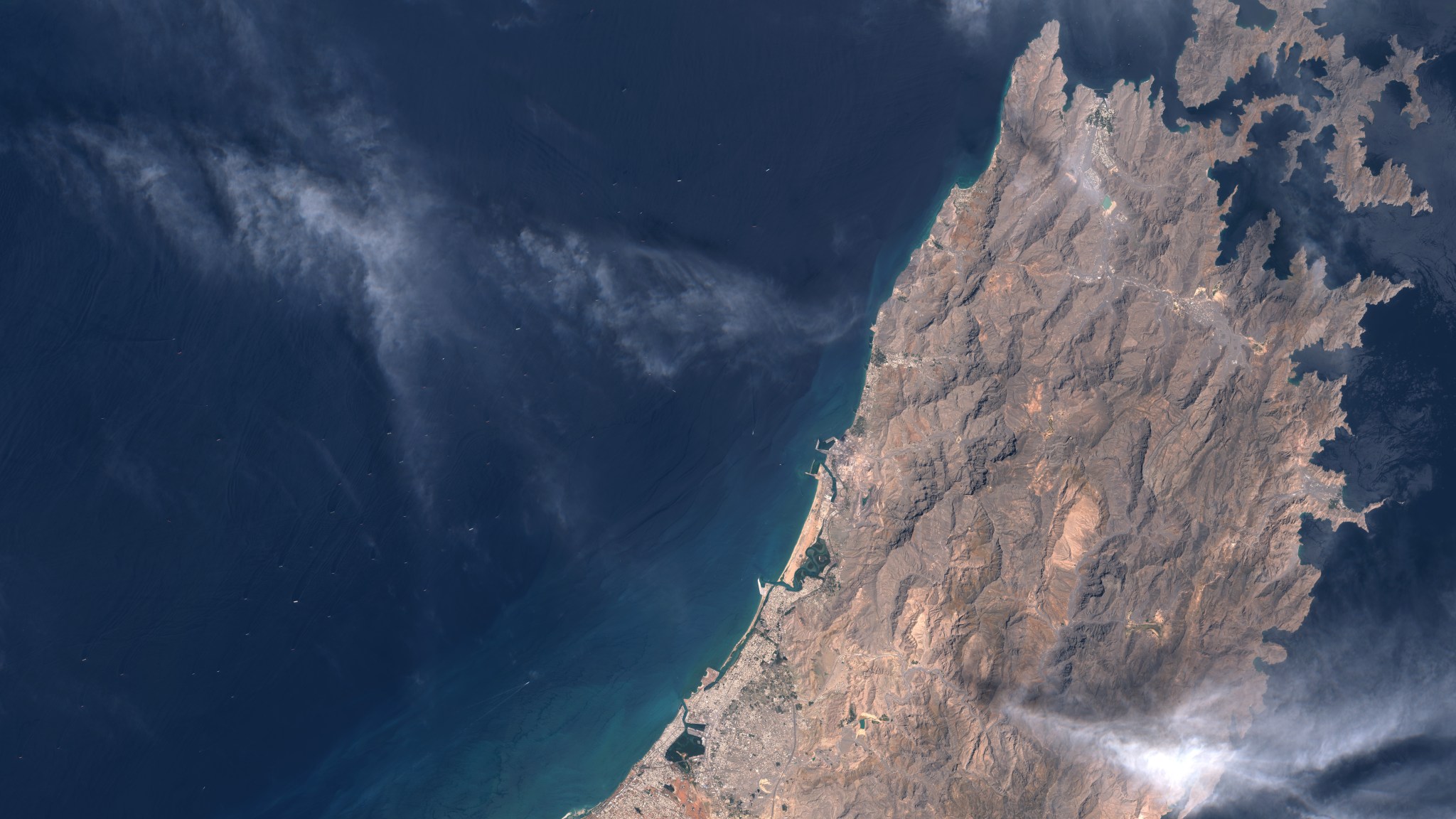
In March, Fortune noted that the shadow fleet exists due to voluntary rules at sea. Ships can bypass regulations, switch off transponders, use unverified flags, and obtain insurance that is untraceable. Recently, off the coast of Oman, a vessel from the shadow fleet, the Caroline Bezengi, encountered an explosion that flooded her engine room near southern Yemen.
The ship began leaking oil and was eventually grounded inside a marine reserve Sultan Haitham had created to protect endangered Arabian Sea humpbacks. The cleanup could cost $200 million to $500 million, but no one will pay. The ship's last registered owner is a dissolved company from the Marshall Islands, and it previously used a fraudulent Cameroonian registry.
No insurer will cover the ship, as it lacks approved classification and no publicly identified insurer. Oman, a party to international conventions, is handling the cleanup costs alone, with no help from the International Oil Pollution Compensation Fund, which excludes acts of war. Governments are increasingly turning to environmental regulations as a way to address the issue, considering it a more defensible and cost-effective approach.
Written by urgent.news from Fortune's reporting — not their text. Machine-written — may contain errors; check the original before relying on it.