US to press G20 allies to cut remaining economic ties with Iran
THE United States will press fellow G20 economies to cut remaining business ties with Iran at a meeting of finance ministers and central bank governors next week, as the Trump administration seeks to use the forum to advance its economic and sanction...
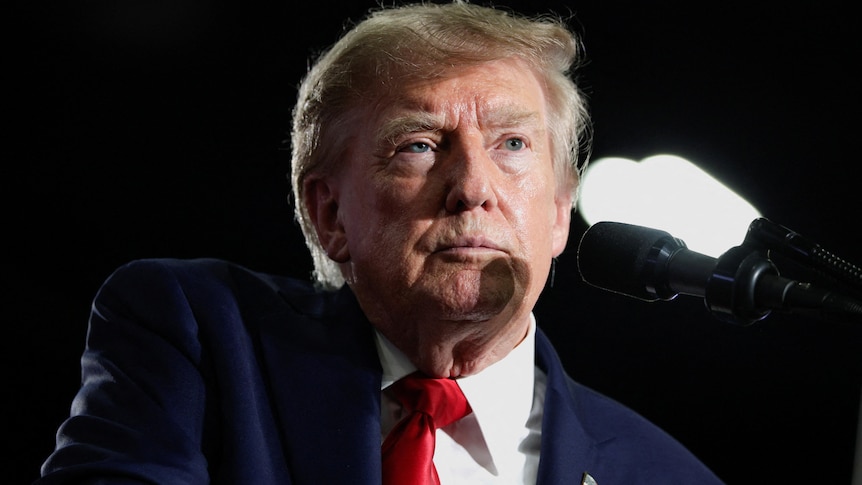
DUBAI: Qatar's prime minister traveled to Tehran on Thursday in a bid to revive stalled talks, amid US President Donald Trump's assertion that Washington was not currently engaging in dialogue with Iran. Trump stated, "We don't want to speak to them. We're not looking to meet or anything," after the White House confirmed that the US would maintain an economic campaign against Tehran until Iran began negotiating meaningfully.
While major combat operations have been halted for weeks, progress toward a comprehensive peace agreement or the reopening of the Strait of Hormuz remains elusive.
Six months after the US and Israeli forces killed Iran's supreme leader and wounded his son and successor, the Iranian government is under significant economic pressure. Trump, facing domestic political pressure over rising energy prices ahead of the November congressional elections, has opted for economic sanctions, although enforcing them would necessitate actions against Iranian trade partners like China and India.
Qatar's Prime Minister Sheikh Mohammed bin Abdulrahman Al Thani urged a return to diplomacy during his talks with Iranian negotiator Mohammad Baqer Qalibaf on Thursday, according to Qatar's foreign ministry. In response, Iran called on regional neighbors to prevent the US from using their territory for military or economic attacks on Iran. Iranian Foreign Minister Abbas Araqchi made the appeal via Telegram.
Mohsen Rezaei, secretary of Iran's Supreme National Security Council, warned Tehran would strike US military and economic interests if Washington engaged in "mischief" against Iran. Rezaei listed conditions Tehran would require before reopening the Strait of Hormuz, including an end to the US blockade on Iranian ports, compensation for sanctions, and their removal. Rezaei reiterated Iran's distrust of the US, citing repeated betrayals of diplomacy and negotiations.
The June memorandum of understanding between Washington and Tehran fell apart, primarily over the future of the Strait of Hormuz. Iran seeks control over the strait and charges fees for ships authorized to pass through, while the US insists it remains an open international waterway. Al Thani emphasized the importance of freedom of navigation through the strait during his discussions with Iranian Foreign Minister.
Iran's Revolutionary Guards stated on Wednesday that Iran and Oman had agreed in principle to administer traffic in the strait and share revenues, though a senior Iranian source later clarified that details were still being finalized. Iran is reportedly preparing a list of conditions for reopening the Strait of Hormuz after mediators requested Tehran outline them. The International Maritime Organization has reported 70 incidents since February 28, killing 19 seafarers and causing further casualties across Iran and Lebanon.
Written by urgent.news from Free Malaysia Today's reporting — not their text. Machine-written — may contain errors; check the original before relying on it.
This story
This is one outlet's version. Read the fullest account.
- Trump hints at sanctions on Chinese banks over Iran ties before Xi’s expected US visit scmp.com
- US to push economic pressure on Iran at G20 finance talks freemalaysiatoday.com
- US to push economic pressure on Iran at G20 finance talks al-monitor.com
- Report: Trump rejects return to Iran agreement in favor of economic pressure haaretz.com
- US To Push Economic Pressure On Iran At G20 Finance Talks ndtv.com
- Trump rejects reports he wants Iran talks: I don’t want to meet, they do israelnationalnews.com
- Crude oil rebounds as Trump reportedly rejects return to Iran ceasefire deal terms seekingalpha.com
- Qatar steps in to mediate as Trump says US not talking to Iran channelnewsasia.com