Can Indonesia build trust in its welfare data?
Indonesia needs not only better welfare data, but also greater public understanding and trust in how that data is produced.
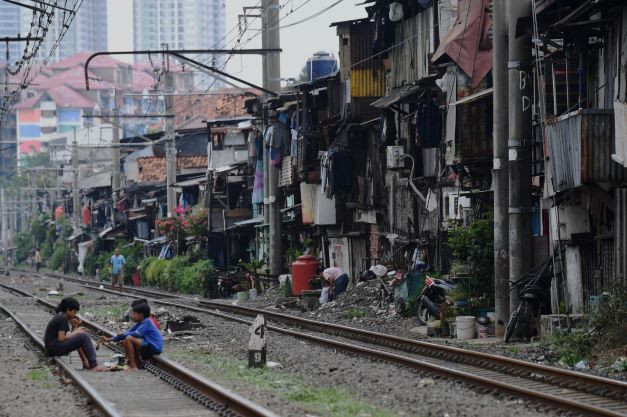
Indonesia grapples with building public trust in its welfare data system. Authorities recognize the need for not only improved data, but also enhanced understanding and confidence among citizens. Indonesia's welfare ranking, known as deciles, divides households into ten groups based on socioeconomic status. This ranking, not an income figure, informs the distribution of social assistance.
However, misconceptions about the ranking process and who determines it have arisen. Some believe village governments or local offices directly assign deciles, when in fact it involves statistical analysis. The Ombudsman's recent findings in Central Bangka regency reveal this confusion. To clarify, deciles are a ranking tool for policy targeting, not a permanent label of poverty or wealth.
The calculation considers factors like employment, education, housing, and asset ownership. The Proxy Means Test (PMT) is a statistical method used when direct income or consumption data is unavailable. Indonesians should understand that a decile placement, such as 6, does not equate to being rich; it merely indicates a higher position in the welfare distribution compared to lower deciles.
Written by urgent.news from The Jakarta Post's reporting — not their text. Machine-written — may contain errors; check the original before relying on it.
Also reported by 1 other outlet
- Can Indonesia build trust in its welfare data? thejakartapost.com