This video experiment perfectly illustrates my frustration with iPhone Cinematic mode
I recently observed that Apple appeared to have abandoned Cinematic mode , and a video experiment perfectly illustrates my frustration at this fact. That’s not because the feature is bad, but rather that it comes so close to being good enough for real-life use that it’s hard to see why Apple hasn’t taken advantage of the massive increases in power between the iPhone 13 on which it launched and…
I recently noticed that Apple seems to have given up on its Cinematic mode, and a video experiment reveals my frustration with this situation. The issue isn't that the feature is bad, but rather that it nearly meets the standards required for practical use, leaving one to question why Apple hasn't fully capitalized on the significant advancements in processing power between the iPhone 13 and the latest models. Allow me to demonstrate what I mean...
I previously explained why Apple hasn't prioritized updating the feature, but also suggested that doing so would encourage future videographers and filmmakers, particularly teenagers who might not have access to other camera equipment. A friend of mine utilizes a smartphone to interview random passersby on the street, and surprisingly, they often display a level of openness that is hard to imagine.
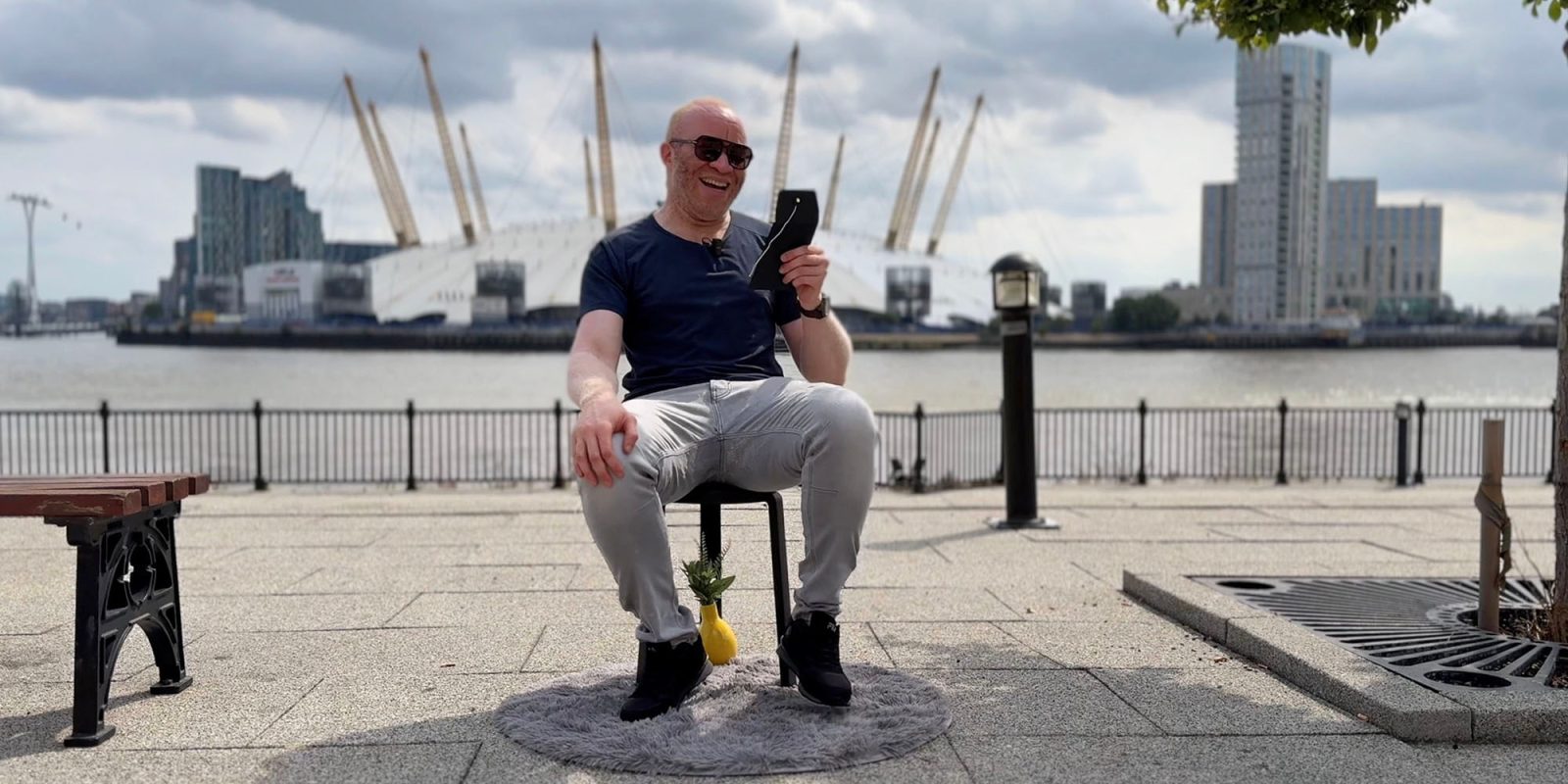
To turn the tables, I put him on a stool and filmed using my iPhone 16 Pro Max. I wanted to assess how well Cinematic mode could handle a straightforward task: a person in the foreground, about 25 feet away from railings behind him and possibly a thousand feet from the O2 on the opposite side of the Thames. He would be seated on a stool, limiting his movement. The outcome was... close yet far.
The overall appearance is satisfactory, but there are visible halos around CK's legs and the railings, the O2 pylons occasionally come into focus when he moves his head in front of them, and the river sometimes comes into focus when he opens his arms. It's worth noting that CK believes the average viewer won't notice these issues.
If they are neither filmmakers nor tech-savvy, they likely won't even notice the problems, and it wouldn't bother them if they did. I have my doubts, but I believe most amateur filmmakers would share my frustration – which is precisely the intended audience for the feature.
As mentioned earlier, my frustration isn't due to the feature being bad, but rather my belief that it could be vastly improved if Apple fully utilized the processing power of the current generation of iPhone chips and the neural capabilities they possess. I would expect a properly updated Cinematic mode to handle much more challenging scenarios than this one. I invite you to share your thoughts on this matter in the comments. For more Apple news, check out 9to5Mac on YouTube.
Written by urgent.news from 9to5Mac's reporting — not their text. Machine-written — may contain errors; check the original before relying on it.