Thirty years of advancing equal opportunity
[The content of this article has been produced by our advertising partner.] Thirty years after Hong Kong established a statutory body to combat discrimination, equal opportunity has become increasingly embedded in laws, workplaces and community. As the Equal Opportunities Commission (EOC) marks its 30th anniversary this year, its record offers much to reflect on, but the work is far from finished…
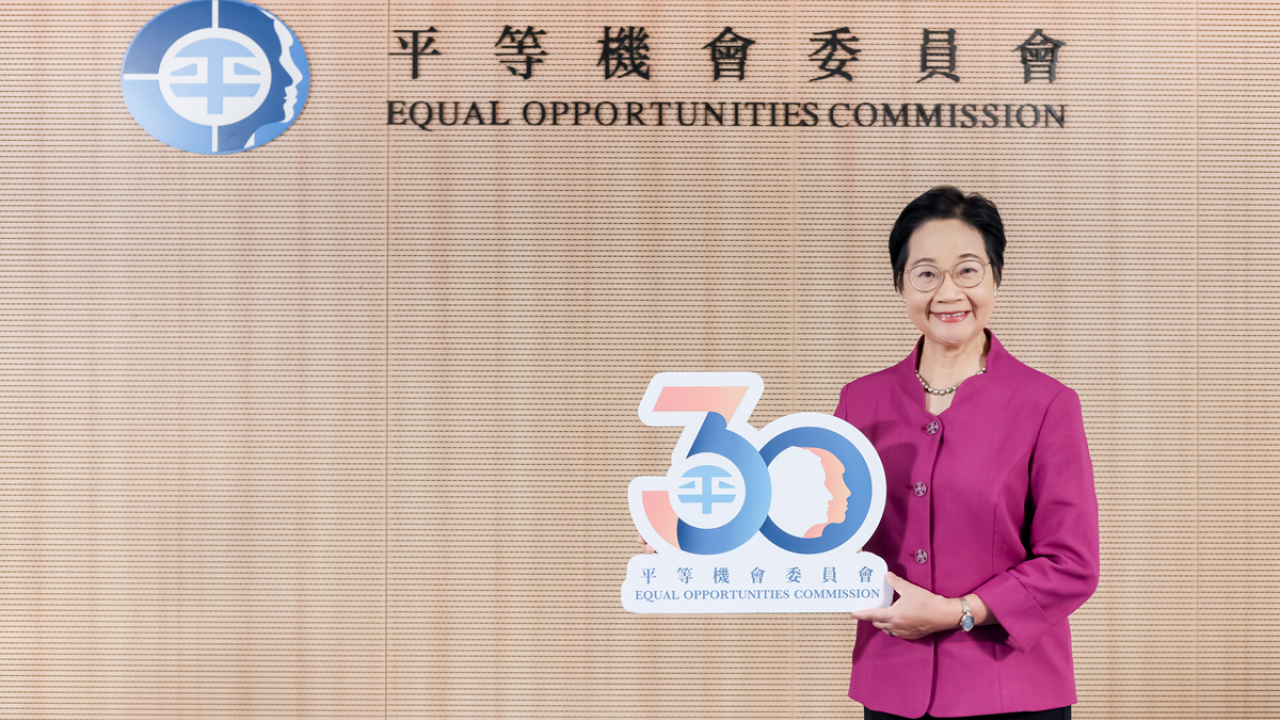
A half-century after the inception of a body dedicated to combating discrimination in Hong Kong, equal opportunity has become increasingly ingrained in laws, workplaces and society. This milestone was marked by the Equal Opportunities Commission (EOC) as it celebrated its 30th anniversary in 2025. Reflecting on the commission's achievements, its chairperson, Linda Lam Mei-sau, noted the sustained efforts and notable successes, while emphasizing that the mission is far from complete in light of evolving societal demands.
Since its establishment in 1996 following the enactment of the Sex Discrimination Ordinance, the EOC has been tasked with implementing and enforcing four anti-discrimination ordinances, which cover sex, marital status, pregnancy, breastfeeding, disability, family status and race. Alongside this, the commission has engaged in policy advocacy, public education and community outreach.
Consequently, the EOC has handled 22,548 complaints and secured over HK$134 million in financial assistance for complainants through conciliation or legal aid as of the end of 2025.
The most significant shifts in societal consciousness have been more qualitative and challenging to quantify, according to Lam. Public awareness has grown substantially, and equal opportunity values have gradually permeated the community, leading to tangible improvements. For instance, job advertisements specifying a preference for male or female applicants have dropped below 1 percent, highlighting the effectiveness of education and enforcement in shaping this aspect of workplace culture.
Moreover, legal safeguards have been reinforced over the years to protect individuals from various forms of discrimination. Amendments to the anti-discrimination ordinances have included protections against breastfeeding discrimination, sexual harassment of service providers by customers, and workplace harassment based on sexual, disability, and racial grounds.
These legal advancements have been accompanied by practical measures, such as the retrofitting of government buildings for improved accessibility and the introduction of the Universal Accessibility Programme, aimed at enhancing access to public spaces.
Addressing workplace culture, the EOC has been collaborating with diverse sectors to promote inclusive and respectful environments. Initiatives like the Racial Diversity and Inclusion Charter for Employers and the "Safe Spaces for All: Anti-Sexual Harassment Community Partner Programme" have been instrumental in fostering awareness and implementation of anti-harassment policies.
Over 480,000 participants have engaged in EOC training programs, underscoring the importance of education in driving cultural change and reducing the risk of exclusion.
Looking ahead, Lam envisions a continued partnership with various sectors to tackle the increasingly complex social challenges. In May 2026, the EOC signed a Memorandum of Understanding with the Guangdong Disabled Persons' Federation to collaborate on barriers reduction and the promotion of accessible environments across the region.
The EOC's 30th anniversary campaign, "30 Years of Building a Vibrant City Through Equality," encompasses a range of initiatives, from the "EO Journal" microfilm series to public engagement activities, all aimed at advancing equality, inclusivity, and diversity in Hong Kong.
Written by urgent.news from South China Morning Post's reporting — not their text. Machine-written — may contain errors; check the original before relying on it.