Things to do now, to protect our lungs from smoke pollution
Publish the PM2.5 reading alongside the air pollutant index, which only says the air is unhealthy without saying what people are inhaling. Warn vulnerable groups ahead of time. Set a lower trigger for high-risk pupils.
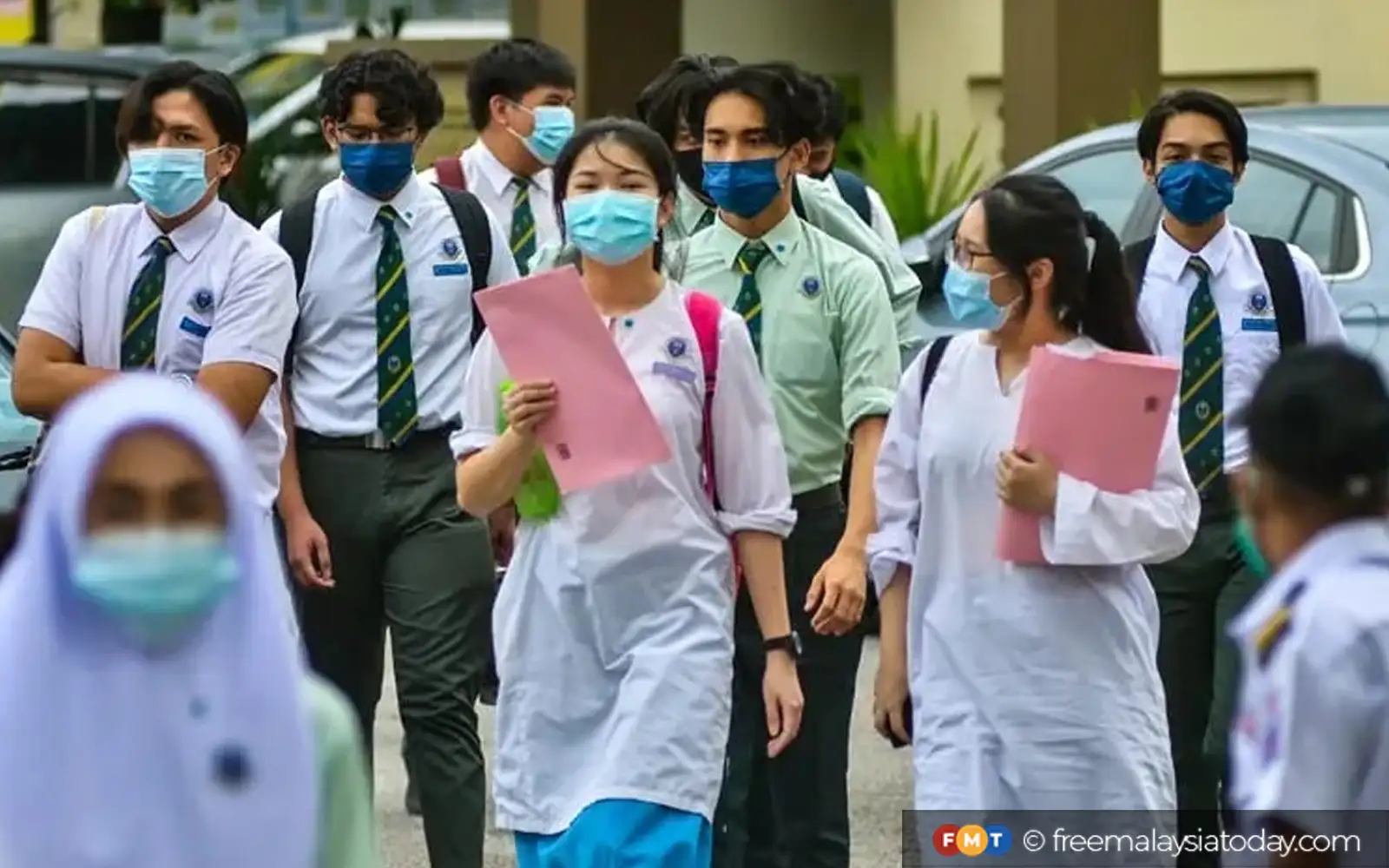
Protecting our lungs from the effects of smoke pollution is a pressing concern that requires immediate action. Dr. Helmy Haja Mydin highlights the severe impact of unhealthy air on children's lungs, comparing it to the physical consequences of a repeated punch. The issue is not just hypothetical; PM2.5 particles are small enough to penetrate the alveoli and enter the bloodstream, leading to chronic health issues.
Recent studies from the United States, Taiwan, and Indonesia have shown the detrimental effects of prolonged exposure to smoke pollution. In the United States, each extra microgramme per cubic metre of long-term smoke PM2.5 increases the risk of chronic obstructive pulmonary disease (COPD) by 9.2%. Taiwanese schoolchildren exposed to prolonged smoke have slower lung growth, while in Palembang, Sumatra, haze has been linked to childhood pneumonia.
The solutions to this problem do not require new treaties or international agreements. Instead, they involve implementing existing measures that can be put in place within the current framework. Here are six steps that could be taken this year to protect our lungs from smoke pollution:
1. **Advance Warning System**: Just as we issue flood and storm warnings, we can provide smoke warnings by using existing Hotspot counts, regional forecasts, and wind models. By issuing smoke warnings days ahead of time, people can take necessary precautions to protect their lungs.
2. **Transparency with PM2.5 Data**: The Air Pollutant Index currently takes the highest value of six sub-indices, but it does not provide detailed information on the specific pollutants. By publishing PM2.5 levels alongside the index, people can make informed decisions about their health and take necessary precautions.
3. **Adjusting School Activities**: Schools should follow medical guidelines and halt outdoor activities when the Air Pollutant Index reaches 101, and close schools when it reaches 200. Children, the elderly, pregnant women, and people with asthma or heart disease are particularly vulnerable to the effects of smoke pollution.
4. **Timing of Health Checks**: Health professionals should schedule reviews and check-ups for asthma and COPD patients during the monsoon season, which typically occurs in May and June. This ensures that patients receive timely medical attention and can make necessary adjustments to their treatment plans.
5. **Monitoring Vulnerable Populations**: A register should be maintained for individuals with respiratory conditions, such as asthma and COPD. These individuals should receive timely alerts when smoke is forecasted in their area, allowing them to take necessary precautions or seek medical assistance. Additionally, providing filtration systems in unsealed housing and offering a safe space for those unable to leave their homes can help mitigate the impact of smoke pollution.
6. **Preventive Measures for Asthma Patients**: For individuals with asthma, taking daily preventive medication is crucial. People should also take measures such as shutting windows during peak pollution hours, using HEPA filters in bedrooms, wearing N95 masks outdoors, and seeking medical attention early if they experience rising breathlessness. These steps, while not a cure, can significantly improve lung health and prevent further complications.
While Malaysia ratified the Asean Agreement on Transboundary Haze Pollution in 2002, there is still no specific legislation addressing this issue. The British example demonstrates that a more comprehensive approach, including a Clean Air Act with enforceable ambient standards, constitutional recognition of the right to a clean environment, and an independent environmental protection agency, can lead to significant improvements in air quality and public health.
In conclusion, while the issue of smoke pollution does not have a legal solution in Malaysia, there are immediate actions that can be taken to protect our lungs and improve the health of our citizens. By implementing these six steps, we can begin to mitigate the harmful effects of smoke pollution and create a healthier environment for all Malaysians.
Written by urgent.news from Free Malaysia Today's reporting — not their text. Machine-written — may contain errors; check the original before relying on it.
Also reported by 1 other outlet
- Things to do now, to protect our lungs from smoke pollution freemalaysiatoday.com