The resistance against Flock surveillance cameras has birthed a vigilante movement in the US
Across the US, growing privacy concerns over Flock’s AI-powered license plate readers have triggered a wave of pushback, with residents and city councils fighting back against roadside surveillance.
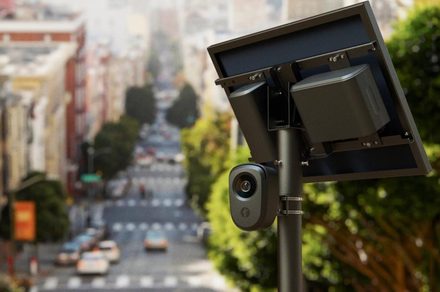
Across the United States, an increasing number of automated license plate readers, powered by artificial intelligence, are being installed on street corners. These devices, produced by Flock Safety, a company based in Atlanta, can log billions of vehicle details monthly. Police departments argue that these cameras are crucial for tracking stolen cars and locating missing persons.
However, privacy advocates argue that the technology creates extensive databases that can be abused, violating the Fourth Amendment's protections against unreasonable searches.
Recent surveys indicate that public support for continuous road tracking has dropped significantly. A YouGov poll conducted by The Washington Post revealed that 46% of Americans now oppose the use of license plate readers, up from 45% last year when 33% opposed the technology. The concerns surrounding these devices are widespread and span across different political ideologies.
Civil liberties advocates warn that location logs give police officers unrestricted tracking capabilities, while lawmakers highlight the creation of an invasive government surveillance network.
These fears are not just theoretical. Police officials have been charged or disciplined for using license plate databases to stalk former partners or conduct unauthorized searches. In response to this growing backlash, over 100 cities have canceled contracts or deactivated their Flock cameras following resident protests. When local officials have not acted, residents have taken more drastic measures.
There have been instances of vandalism and destruction of Flock cameras in at least 36 states. While organized groups like DeFlock have organized rallies to push for legal reforms, independent actors have chosen direct action, using signs and long poles to block cameras, spray-paint sensors, and even disable units. As trust in these devices erodes, the conflict between roadside AI cameras and the drivers they monitor is set to escalate.
Written by urgent.news from Digital Trends's reporting — not their text. Machine-written — may contain errors; check the original before relying on it.
This story
This is one outlet's version. Read the fullest account.