The dark forest of Katlekan: Why we must stop the plunder of the Western Ghats
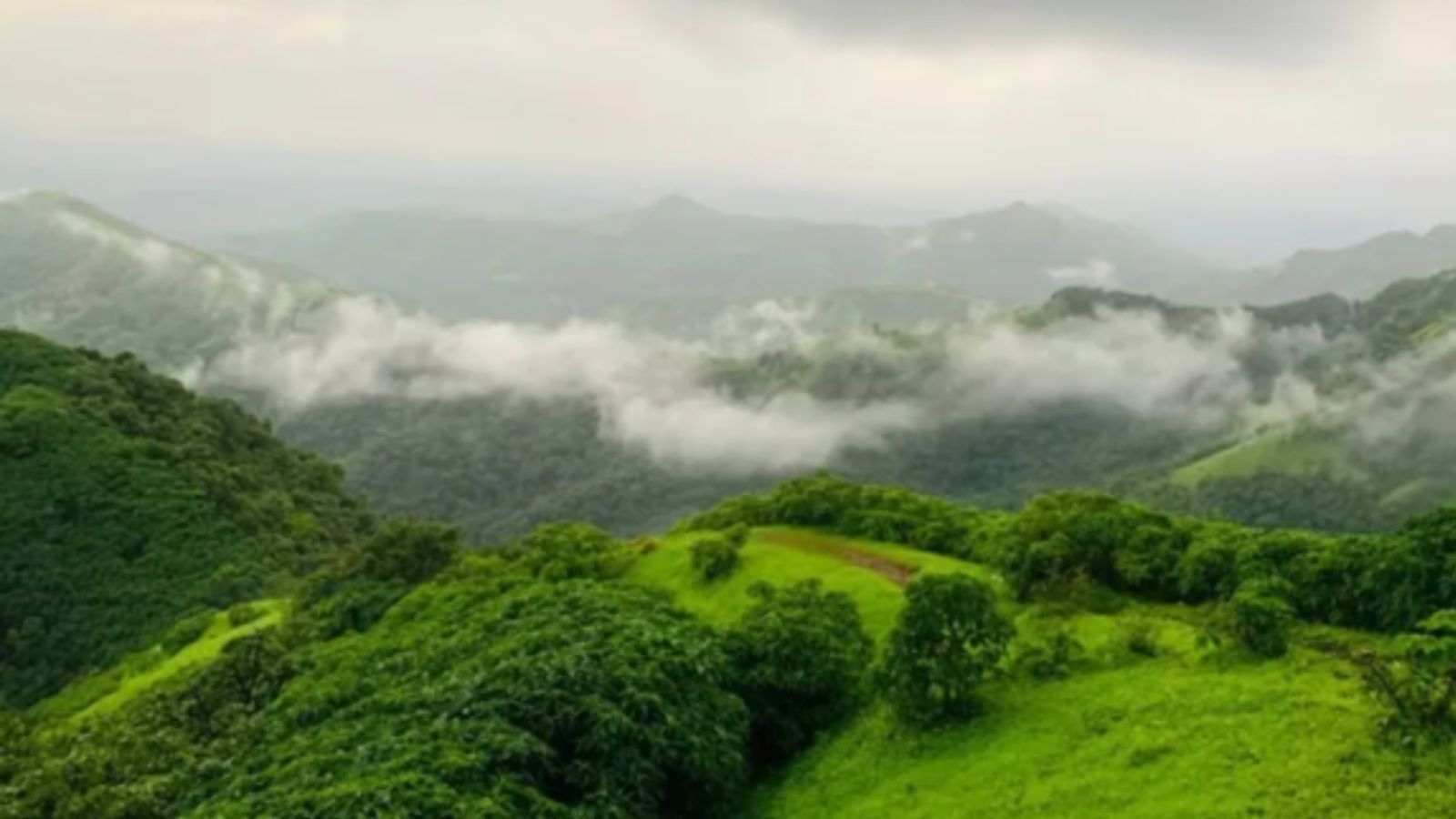
The dark forest of Katlekan, nestled in the heart of North Kanara, shrouds itself in impenetrable shadows as the monsoon clouds gather overhead. Even during the warmest hours of the day, the illumination fades so severely that visitors must rely on a torch to navigate the dense undergrowth. The haunting calls of hornbills echo through the misty landscape, while mountain imperial pigeons murmur in the shadows, and the low hoots of eagle owls reverberate between the ancient trees.
Here, in this untouched wilderness, the remnants of ancient "forests" stand as pitiful remnants compared to the thriving aranya that once permeated the land, inspiring poets like Rabindranath Tagore.
The Western Ghats, a mountain range stretching 1,600 kilometers along the western edge of the Indian peninsula, are an ecological powerhouse. They serve as the biological spine of India, protecting over half of the nation's flowering plant species, a third of its vertebrate fauna, and more than 300 globally threatened species. Some species, like the Katlekan Marsh Nut and the Gund Day Gecko, are found exclusively within these forests. However, the importance of the Western Ghats extends far beyond the realm of biodiversity.
These mountains act as the primary conduit for the southwest monsoon, capturing the first waves of moisture and subsequently releasing it as the lifeblood of the Deccan plateau. The Godavari, Krishna, Kaveri, and Tungabhadra rivers all find their origins in the Ghats, providing sustenance to millions across six states. Through their dense forests, the Ghats temper regional climates, sequester carbon, safeguard soil integrity, and mitigate the risk of catastrophic flooding downstream.
For this reason, they are often referred to as "India's Amazon" due to their critical role in sustaining the climate and water systems of the entire peninsula.
Despite their immense ecological significance, the Western Ghats face a formidable threat from development projects seeking to exploit their natural resources. One such project, the Rs 10,000-crore, 2,000 MW Sharavathi Pumped Storage Project in Karnataka, remains under a stay order from the Karnataka High Court. This project aims to link the Talakalale and Gerusoppa reservoirs on the Sharavathi river by constructing underground tunnels and powerhouses, utilizing pumping mechanisms to transport water uphill during low-demand periods and releasing it during peak periods for electricity generation.
However, the proposed project disregards the undeniable wisdom of conservationists, who have deemed such infrastructure incompatible with the protected Sharavathi Valley Lion-Tailed Macaque Wildlife Sanctuary. An expert committee recommended against the project due to its predicted irreversible ecological harm and technical ineffectiveness.
Written by urgent.news from The Indian Express's reporting — not their text. Machine-written — may contain errors; check the original before relying on it.