The Bigger Bet Behind Nvidia’s $12.9 Billion Hugging Face Deal
The $12.9 billion deal could help Nvidia hedge against a future where its biggest customers build their own chips.
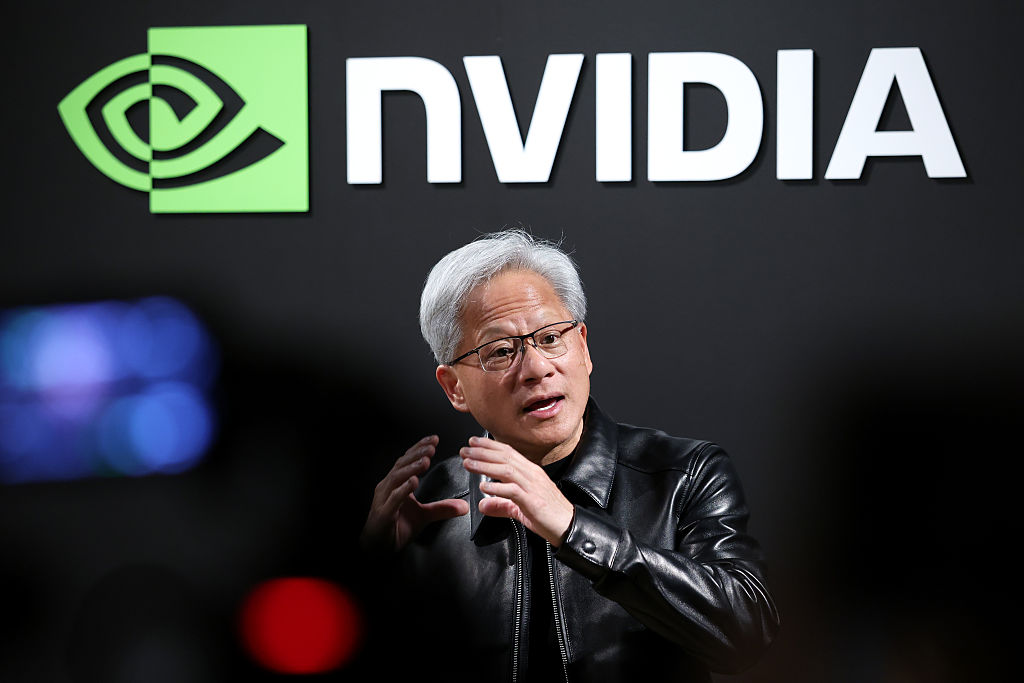
In a strategic move worth $12.9 billion, Nvidia has agreed to acquire AI library Hugging Face, according to recent reports. This acquisition serves as a safeguard against the growing trend of AI companies developing their own chips, which could potentially lead to reduced demand for Nvidia's hardware. By investing in Hugging Face, Nvidia gains a foothold in an alternative future where developers can create and share their own AI models and datasets, helping to decentralize AI development.
Nvidia, currently dominating the AI chip market with approximately 85% of the share, sees this deal as a calculated move. Umesh Padval, a Managing Partner at Seligman Ventures, believes the acquisition is a "brilliant chess move." In recent months, Nvidia has advocated for more lenient export restrictions on its chips to China and struck a $6 billion deal with Poolside to develop an American open-source alternative.
Google, OpenAI, Anthropic, and Meta are some of the AI giants developing their own chips, signaling a two-way strategic battle. Nvidia aims to deter customers from relying solely on its products by offering financial support and chip allocations to other players. Conversely, these hyperscalers are wary of becoming overly dependent on a single compute provider.
Nvidia's high margins suggest that alternative chips made by others won't necessarily save large customers money. However, developing custom hardware allows AI companies to tailor their systems to specific needs while reducing exposure to Nvidia's chip allocations. The process of creating custom silicon is labor-intensive and time-consuming, as seen when Apple transitioned from Intel processors to its own silicon.
Despite the challenges, custom chips offer several advantages. They empower AI companies to innovate, reduce reliance on Nvidia, and maintain control over their hardware infrastructure. As the AI landscape evolves, it remains to be seen how this acquisition will shape the future of AI computing.
Written by urgent.news from Time's reporting — not their text. Machine-written — may contain errors; check the original before relying on it.
This story
This is one outlet's version. Read the fullest account.
- Nvidia reportedly acquires AI project hosting platform Hugging Face for $12.9B siliconangle.com
- NVIDIA to Reportedly Acquire Open-Source AI Platform Hugging Face for $12.9bn itp.net
- Nvidia agrees to buy Hugging Face for $12.9 billion, reports fortune.com
- Nvidia's potential Hugging Face deal shows how far it's moved from its GPU roots businessinsider.com
- Hugging Face is selling a cute $399 open-source duck robot, Microduck techcrunch.com
- Hugging Face launches Microduck, a $399 open-source robot duck mashable.com
- Nvidia is reportedly agreeing to buy open-source AI hub Hugging Face for $12.9 billion qz.com
- Hugging Face offers $399 robot duck to help you quack the AI code theregister.com