Suara belia dan masa depan ekonomi hijau Malaysia
Kesedaran iklim dalam kalangan belia semakin tinggi dan jurang kemahiran perlu dirapatkan supaya minat mereka dapat diterjemahkan kepada kerjaya hijau.
The Malaysian government is harnessing the passion of young people to combat climate change and shape the country's green economy. According to the National Youth Climate Change Survey 2025, conducted by UNICEF Malaysia, 96.6% of young people recognize climate change as a real crisis, and this awareness has risen by 11% since 2020. At the same time, 94.3% of youths are worried about the long-term impact on their future, particularly concerning uncertainty, loss of biodiversity, and threats to family and community safety.
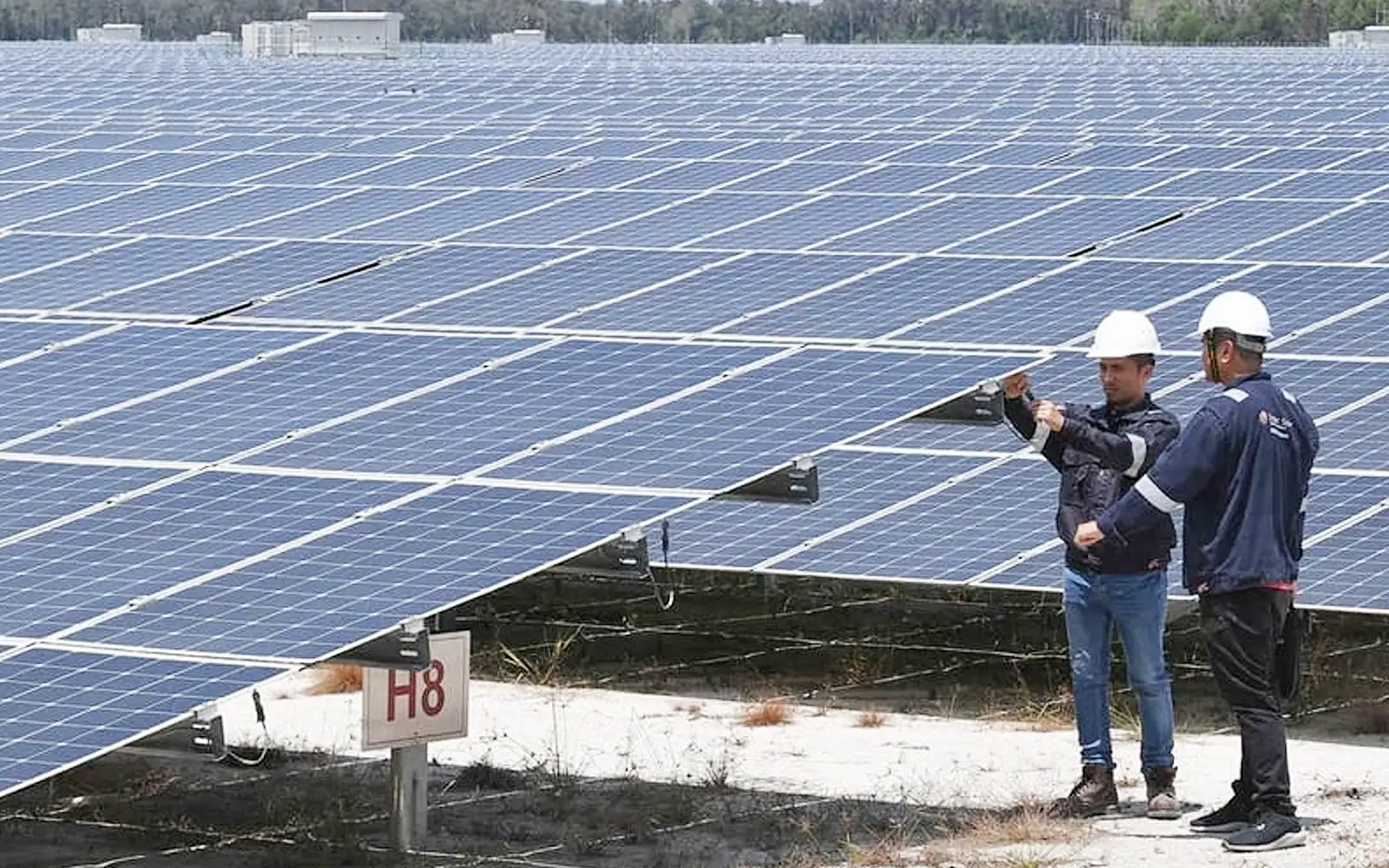
This concern has not dampened the spirit of Malaysia's youth, but rather motivated them to take action. An impressive 83.1% of young people express a strong desire to contribute directly to the green industry. This enthusiasm is being channeled into fulfilling the country's goal of creating 310,000 green jobs by 2050 under the National Energy Transformation Roadmap (NETR).
The Malaysian Green Technology and Climate Change Corporation (MGTC), an agency under the Minister's office, plays a pivotal role in nurturing green technology and job skills through the Green Career Guidelines launched in 2025, in collaboration with the Ministry of Human Resources (MHR). MGTC also drives initiatives like the International Greentech & Eco Products Exhibition (IGEM), which has generated green investments exceeding RM10 billion, and supports various green technology financing schemes, such as the Green Technology Financing Scheme (GTFS).
The MGTC-managed ecosystem encompasses strategic sectors like renewable energy, green project management, clean technology engineering, environmental audits, and Life Cycle Assessment (LCA); sustainable finance and ESG. These initiatives offer diverse career opportunities in areas such as sustainable investment analysis, green finance, ESG reporting, corporate sustainability consulting, and carbon management and carbon markets, as well as waste management and circular economy through waste-to-energy, green supply chain management, sustainable building design, and sustainable forestry and agriculture.
Despite the promising prospects, a critical skills gap exists, with green job demand outstripping supply by 11.6%, while current supply hovers around 5.6%. To bridge this gap, the government has allocated RM3 billion alongside TalentCorp, HRD Corp, and PERKESO to launch upskilling, reskilling, and cross-skilling programs for green management and environmental careers.
This effort is strengthened by a cross-ministerial policy framework involving MGTC, MHR, HRD Corp, and PERKESO to develop a comprehensive career pathway from fresh graduates to experienced professionals. The government's support also includes the Green Skills Integration Program in partnership with major companies like Gentari and Solarvest, and the integration of green skills through the MyMahir platform.
These initiatives demonstrate the government's commitment to turning young people's climate concerns into tangible actions and building a green economy that benefits the nation.
Written by urgent.news from Free Malaysia Today's reporting — not their text. Machine-written — may contain errors; check the original before relying on it.
This story
This is one outlet's version. Read the fullest account.
- Suara belia dan masa depan ekonomi hijau Malaysia freemalaysiatoday.com