Strange 'hobbit' species walked more like us than like 'Lucy,' hip bones reveal
Anthropologists studying the hip bones of Homo floresiensis have discovered that its pelvis was human-like, raising new questions about the origin of the enigmatic species.
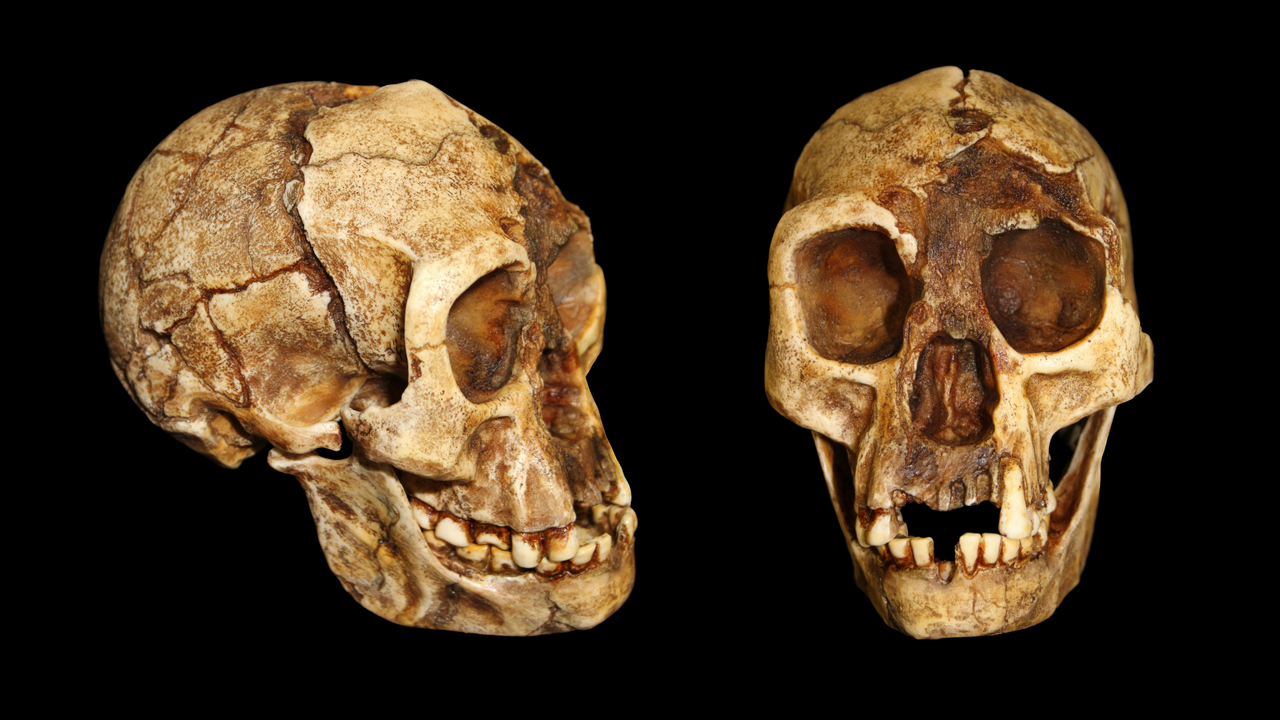
Recent studies on the hip bones of Homo floresiensis, commonly referred to as the "hobbit," have revealed that this now-extinct human relative exhibited a more human-like body structure than previously believed. The research, conducted by Kristi Lewton and colleagues at the University of Southern California, suggests that LB 1, an adult female hobbit who lived around 100,000 to 60,000 years ago on the Indonesian island of Flores, likely walked upright, albeit at a slower pace compared to modern humans.
However, their walking style was not as efficient as that of contemporary humans, and they likely did not cover long distances. While the hobbit's pelvis shares similarities with other Pleistocene human species, such as Homo erectus, it remains distinct from australopithecines and apes, indicating a unique form of bipedalism that was less efficient than that of modern humans.
Despite these similarities, the hobbit's walking style was not comparable to that of H. sapiens, as they were likely not engaging in long-distance travel or running. The findings suggest that H. floresiensis may have incorporated some arboreal behaviors into its movement pattern. The study's results support two prevailing theories on the hobbit's evolution: either they evolved from a population of Homo erectus that experienced insular dwarfism on the island of Flores, or they descended from a smaller-bodied, earlier Homo species.
These findings shed further light on the mystery surrounding the origins and lifestyle of the enigmatic hobbit species.
Written by urgent.news from Live Science's reporting — not their text. Machine-written — may contain errors; check the original before relying on it.