SPECIAL REPORT: In Sokoto, IDPs suffer healthcare challenges, despite govt promises
On a recent Monday morning at Ramin Kura Internally Displaced Persons (IDP) camp in Sokoto State, northwest Nigeria, an aging Mari Yahu sat quietly on a placement above the dusty ground. As the morning sunlight lit the deep lines of worry on her face, she thought about happier days back home. Before violence drove her […] The post SPECIAL REPORT: In Sokoto, IDPs suffer healthcare challenges,…
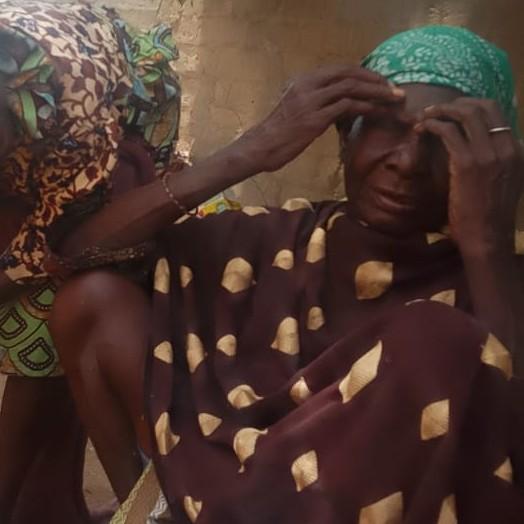
In Ramin Kura Internally Displaced Persons (IDP) camp in Sokoto State, northwest Nigeria, many residents are grappling with healthcare challenges despite government promises. Mari Yahu, a resident with one functional eye, shared her experience of losing her other eye due to infection caused by poor environmental conditions. She now relies on begging on the streets to afford food and medications for her remaining eye.
Aliyu Sarkin Fawa, a father of eight who fled banditry in Zamfara State, recounted how his leg wound worsened due to inadequate care, and even government check-ups provided no follow-up treatment. The camp, intended to be a short-term safe haven, has become a long-term residence for many, filled with new health troubles stemming from a lack of access to basic healthcare.
Nigeria hosts over 2.7 million internally displaced persons, the third-largest population in Sub-Saharan Africa, but conflict continues to worsen the crisis. Despite a revised National Policy on IDPs signed in 2021, which guarantees free medical care for wounded and infirm displaced persons, the reality at Ramin Kura camp is far from ideal.
Basic drugs like paracetamol are occasionally provided by the state government, but supplies are inconsistent, forcing families to contribute funds for treatment. During childbirth, residents must pay for medical assistance, as the health center turns away patients unless they can afford medication. A recent cholera outbreak in the camp lasted nearly two weeks, claiming several lives, as the health center refused treatment unless families could pay.
The Nigerian government has policies in place to support displaced persons, but in practice, most IDPs receive little or no assistance.
Written by urgent.news from Ripples Nigeria's reporting — not their text. Machine-written — may contain errors; check the original before relying on it.