SpaceX recovers Starship from the Indian Ocean a month after launch and is shipping it back to Texas
SpaceX has pulled off its biggest salvage operation yet, recovering its most recently launched Starship from the Indian Ocean.

In a significant achievement, SpaceX has successfully recovered its most recent Starship launch from the Indian Ocean, a month after the rocket was launched from Texas. The massive spacecraft, the largest and most powerful rocket in the world, completed a 13th test flight on July 24 and remained intact and floating for an hour in the space. Elon Musk's company is now preparing to ship Starship back to its home base in Texas, a journey that is expected to take several months.
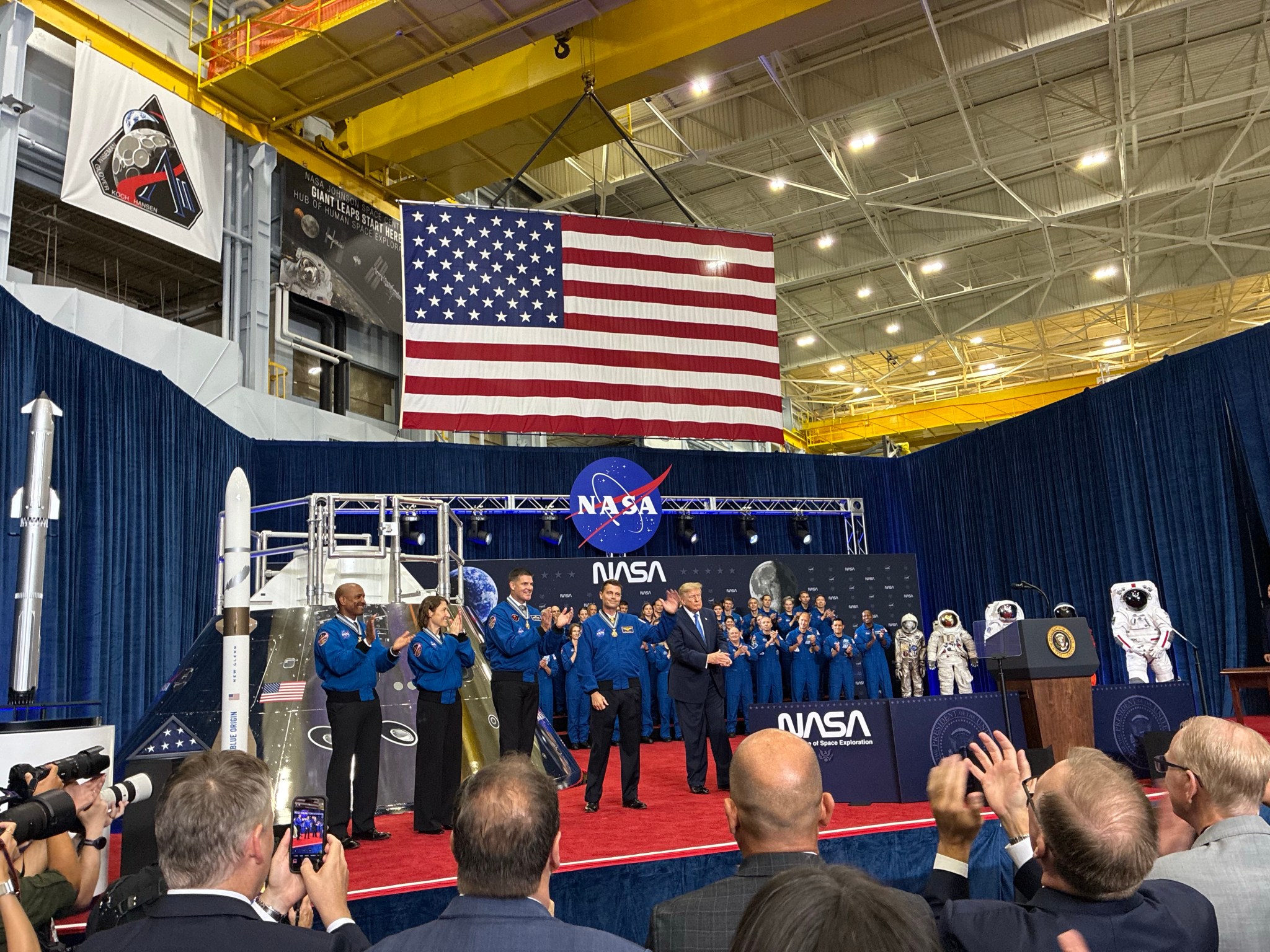
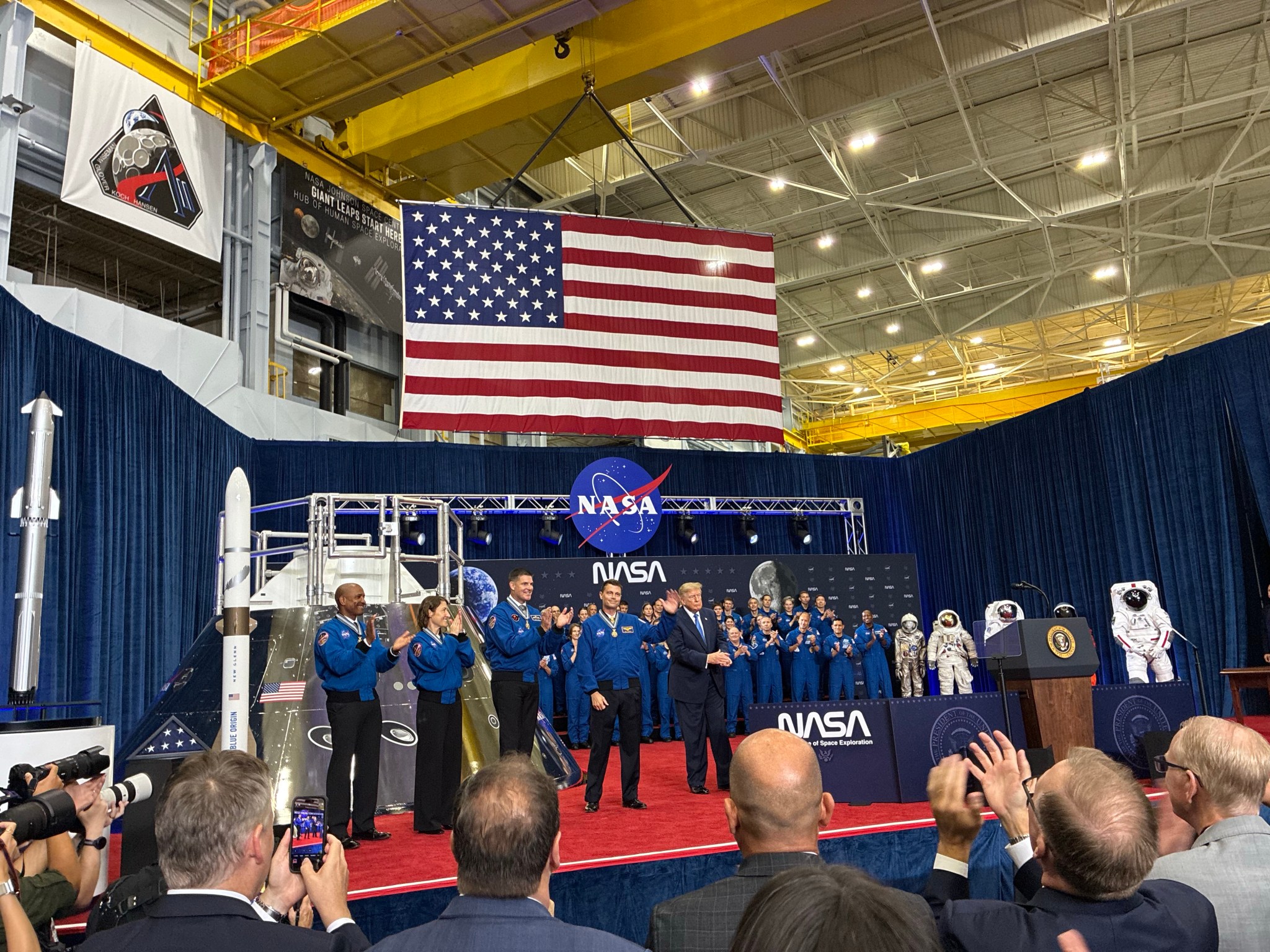
Elon Musk intends to utilize Starship for delivering people and equipment to Mars, with the ultimate goal of constructing a city there. However, prior to that, the lunar surface is also on the agenda. NASA is relying on Starship, along with Jeff Bezos' Blue Moon lander, to return astronauts to the Moon as early as 2028. President Donald Trump honored the Artemis II astronauts, who orbited the Moon in April, by presenting them with the Congressional Space Medal of Honor during a visit to NASA's Johnson Space Center in Houston.
The recovery team at SpaceX has worked tirelessly through challenging conditions to provide engineers with crucial data to further develop Starship. SpaceX shared images of the recovery operation near Christmas Island on their social media platform. This remarkable feat marks SpaceX's biggest salvage operation to date.
Written by urgent.news from Phys.org's reporting — not their text. Machine-written — may contain errors; check the original before relying on it.
This story
This is one outlet's version. Read the fullest account.
- SpaceX recovers Starship from the Indian Ocean a month after launch and is shipping it back to Texas apnews.com
- SpaceX recovers Starship from the Indian Ocean a month after launch and is shipping it back to Texas winnipegfreepress.com
- Nvidia and SpaceX form heavenly relationship with plan to launch Vera into orbit seekingalpha.com