Six months of silence: questions mount over absence of Iran’s leader Mojtaba Khamenei
Mojtaba Khamenei has not been seen for six months after being wounded in airstrikes, fueling speculation over his health and role as Iran’s supreme leader.
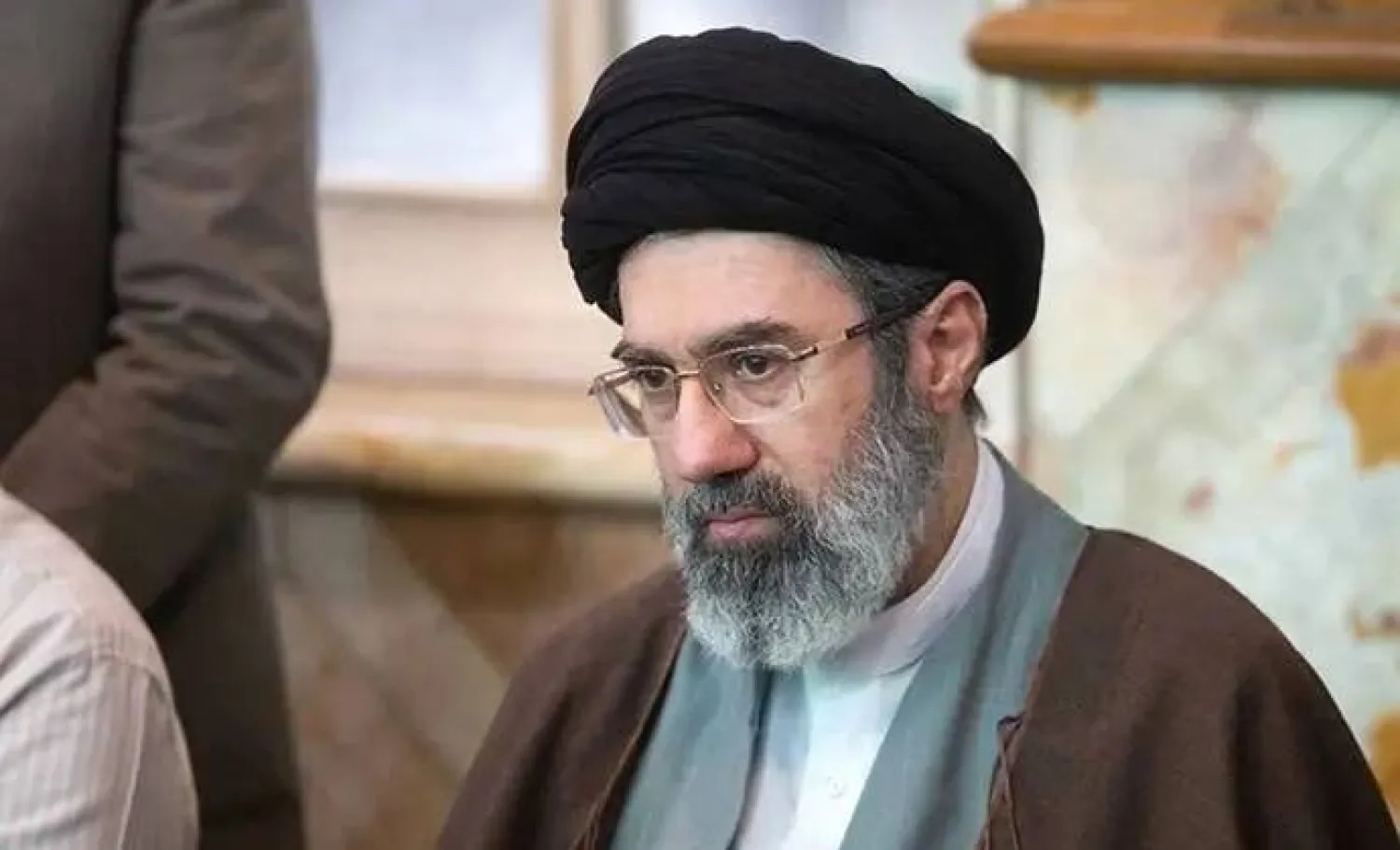
For six months, Iran's supreme leader, Mojtaba Khamenei, has been notably absent from public life, raising concerns over his health and his role as the country's top authority. The lack of Khamenei's presence since suffering serious injuries in airstrikes has sparked speculation about whether he is managing affairs from behind the scenes or has ceded power to a select group of officials.
Despite his absence, no photos, audio, or video evidence of him has been released, further fueling public doubts about his actual leadership during Iran's critical period. Senior Iranian officials maintain that Khamenei is overseeing state affairs securely, having delegated broad powers to a select few. However, his limited public appearances, such as missing his father's funeral and communicating only through written statements, have deepened the uncertainty surrounding his involvement.
The absence of Khamenei has affected morale, even among regime loyalists. While President Masoud Pezeshkian claimed to have met with Khamenei for seven hours recently, the lack of a public appearance has impacted the political landscape. Opposition figures have demanded proof of Khamenei's continued leadership, questioning whether he is alive and actively participating in decision-making.
The ruling religious establishment has demonstrated flexibility in adapting to the absence of the supreme leader, maintaining a leadership hierarchy loyal to its ideology. The Iranian economy is under severe pressure from the ongoing war and the blockade on oil exports, leading to the collapse of the rial and fears of renewed mass protests.
The ruling establishment has focused on preserving the state, restoring deterrence, and preventing economic fallout. The Islamic Revolutionary Guard Corps has strengthened its position at the top of the power structure, becoming central to strategic thinking in the Supreme National Security Council. While Khamenei continues to meet with key figures, the secrecy surrounding his condition is attributed to security concerns.
Some sources claim that his health is improving, and he remains engaged in governance, while others maintain that public services and foreign policy remain stable, indicating that he still holds power. Prior to the war, Khamenei was known for working in the shadows as an aide to his father, avoiding the spotlight. However, his disfigured appearance from airstrikes has left many Iranians questioning whether he can effectively lead the nation.
Any deal with Washington or decision to continue the conflict requires Khamenei's explicit approval, according to associates. The prolonged absence of the supreme leader has created a dangerous situation where rival factions can claim to represent his wishes.
Written by urgent.news from Ajel English's reporting — not their text. Machine-written — may contain errors; check the original before relying on it.
This story
This is one outlet's version. Read the fullest account.
- Iran says still open to diplomacy as war with US hits 6 months freemalaysiatoday.com
- Six months into war with US, Iran signals diplomacy possible if pressure ends malaymail.com
- 6 months of war on Iran aljazeera.com