R600m meth lab bust heightens concern over possible Mexican cartel links in South Africa
Five foreign nationals remain in custody after police dismantled a suspected R600 million crystal methamphetamine laboratory in Musina. Security analysts say the case reflects growing concern over South Africa’s role in transnational synthetic drug production and trafficking.
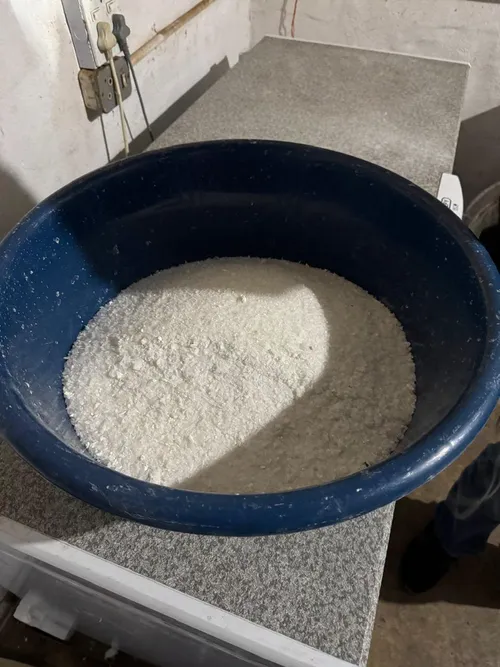
A R600 million crystal methamphetamine manufacturing facility has been dismantled in Musina, South Africa, sparking concerns about the involvement of Mexican drug cartels in the country's illicit drug trade. The seizure, conducted by the Hawks and SAPS, involved five suspects, including two Mexican nationals and three Zimbabwean nationals.
The investigation, spanning two months, led to the arrest of individuals believed to be manufacturing drugs destined for distribution. Methamphetamine labs have become a growing concern in South Africa, with the country now serving as a major hub for transnational drug cartels due to its strategic location and weak security. Mexican cartels are reportedly supplying drugs to Africa, with drug seizures in South Africa increasing in frequency.
Experts suggest that the country's connections to Latin America and Europe, along with its role as a transit hub for drug shipments, make it an ideal location for drug production and distribution. The arrest of these suspects and the dismantling of the methamphetamine lab are seen as a positive step, but experts argue that more needs to be done to combat the growing presence of Mexican cartels in South Africa's drug trade.
Written by urgent.news from IOL's reporting — not their text. Machine-written — may contain errors; check the original before relying on it.
This story
This is one outlet's version. Read the fullest account.
- South Africa’s new gold rush: Big money, high stakes in emerging spekboom restoration sector news.mongabay.com
- Malian music star Salif Keïta cancels South Africa tour over reported xenophobic violence adomonline.com
- South Africa intercepts Thai men with 468 parrot eggs in separate cases thethaiger.com
- A taste of South Africa comes to the UK mg.co.za
- Cachalia says South Africa still awaits French report on Nathi Mthethwa’s death iol.co.za
- Trumpelmann, Frylinck set up Namibia's win against South Africa cricinfo.com