Notes From Russia’s Literary Underground
Publishers in exile are supplying contraband books to help Russians evade censorship.
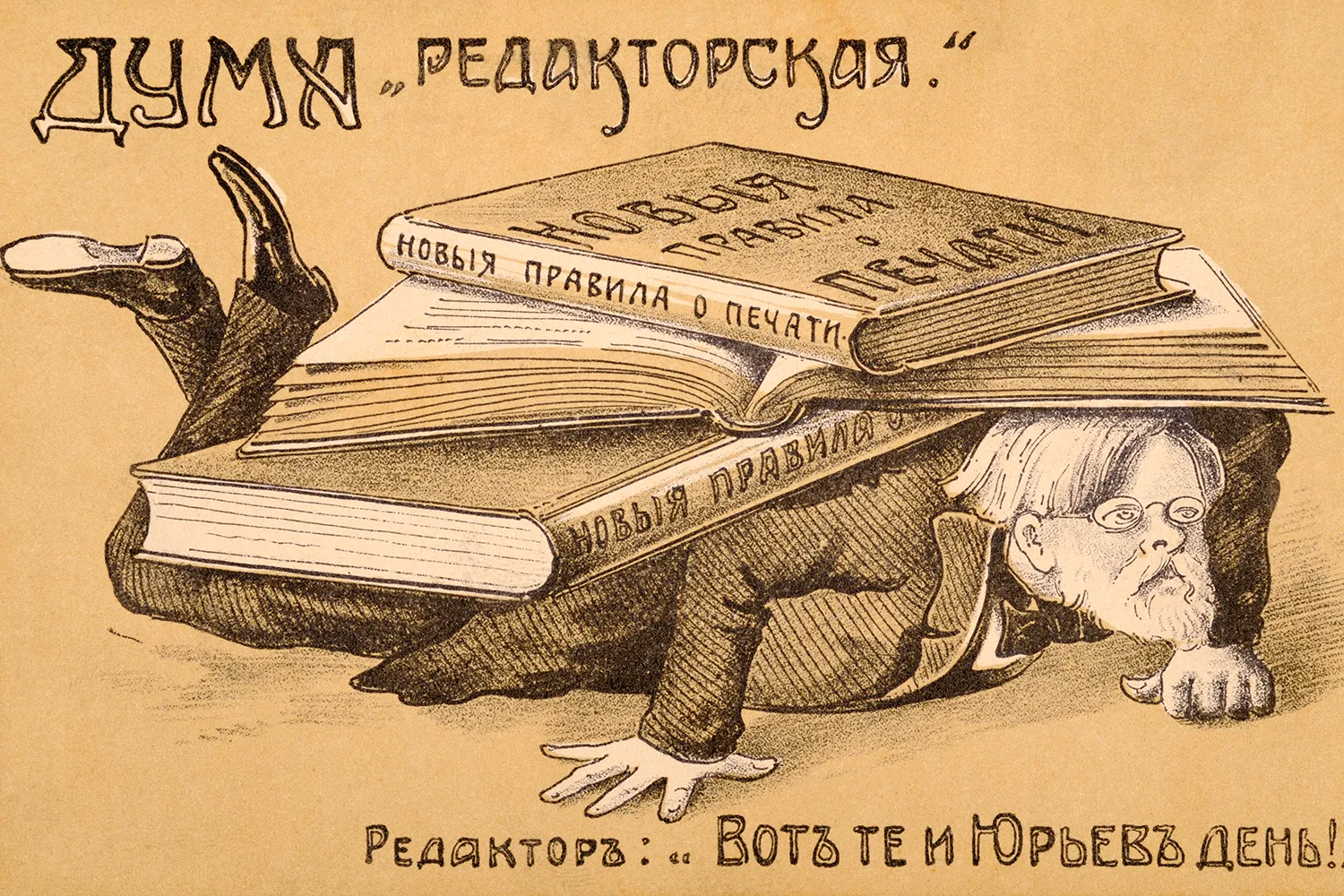
In Berlin earlier this year, Russian publisher Alexander Gavrilov reminisced about his initial encounter with the banned poetry of Joseph Brodsky. The Soviet Union's strict censorship, controlling books through centralized publishing houses, left a lasting impression on Gavrilov. The gray and dusty literature left him yearning for something more vibrant and authentic. Reading Brodsky, he said, was a revelation that transformed his worldview, making it impossible to endure the monotonous Soviet life.
Brodsky, not associated with any sanctioned literary institutions, was convicted of "social parasitism" for writing poetry with illicit spiritual themes. His work, banned in the USSR, gained a cult following among exiles and activists in the United States and Europe who smuggled his poetry back into Russia.
Inspired by Brodsky's legacy, Gavrilov founded Vidim Books in 2023, a publishing house dedicated to releasing works by authors whose voices have been silenced in Russia due to political reasons. Vidim Books is one of many new ventures established by Russian exiles since 2022, all striving to distribute prohibited literature to readers both inside and outside of their homeland.
As the Kremlin intensifies its crackdown on literature, banning both fiction and nonfiction works deemed politically incorrect, these publishers-in-exile have emerged as vital guardians of independent discourse in Russian-speaking society. At regular intervals, these publishers convene at international book fairs, such as the Berlin Bebelplatz fair held this spring.
Named after the site where Nazis burned thousands of "un-German" texts over a century ago, the fair aims to demonstrate that the Russian language today is not merely a tool for state propaganda.
At the fair, publishers showcased a diverse array of works, including a book about Russian war crimes in Bucha, Ukraine, written by a Russian-speaking Ukrainian author. Nearby, a publishing house founded by Yulia Navalnaya, widow of the late Russian opposition figure Alexei Navalny, sold her husband's memoir, which Russia banned for inciting "hatred and enmity" toward authorities.
Human rights historians from the outlawed Russian organization Memorial, who were awarded the 2022 Nobel Peace Prize, presented talks alongside a group of queer activists who were labeled "extremists" by the Russian government.
With about 4,000 attendees, the Berlin fair may have been the largest anti-Kremlin gathering of Russians outside of the country since 2022. This event underscores the pivotal role literature plays in Russian identity and its significance in shaping the country's political landscape.
Written by urgent.news from Foreign Policy's reporting — not their text. Machine-written — may contain errors; check the original before relying on it.