Nepal-China mountain region hit by deadly flood has danger but also draws trekkers to its heights
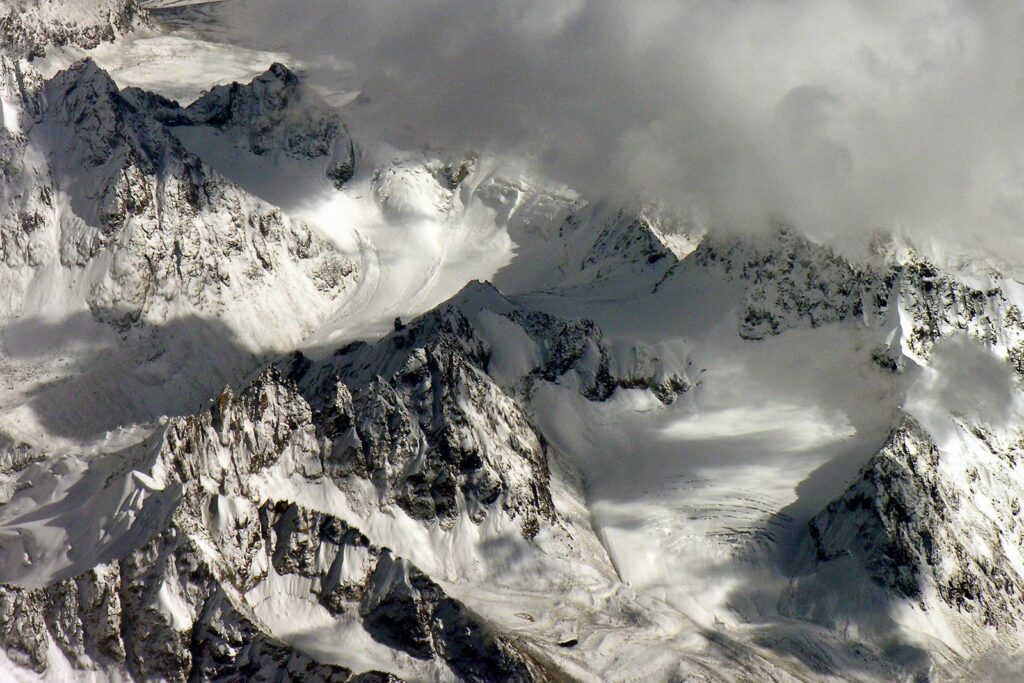
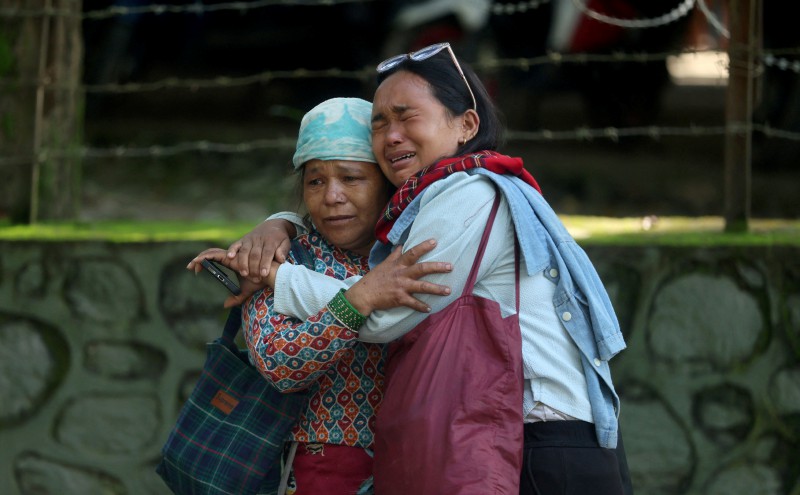
The mountain range that straddles the border between Nepal and China is known for its perilous nature, most recently demonstrated by flash floods caused by a glacier collapse that have claimed hundreds of lives and caused extensive destruction. The region is also a popular destination, attracting millions of people with deep ties to the land and numerous visitors who come to trek on some of the world’s highest peaks or visit sacred sites.
This fact became evident following the floods, as people from at least 30 countries joined the hundreds of residents of the area who were reported missing. For centuries, people in the region have traversed the mountains, including traders following a segment of the ancient trade route known as the Great Silk Road. Certain ethnic groups, such as the Sherpas in Nepal, have developed expertise in mountaineering.
In the mid-20th century, as Nepal began welcoming foreigners and tourism, Nepalis were sought out for their knowledge and guidance by explorers from around the world. In 1953, Tenzing Norgay and Edmund Hillary became the first to reach the summit of Mount Everest, the highest peak in the world. Since then, interest in trekking has grown, making tourism a significant part of Nepal’s economy.
However, this increased interest has also raised concerns about managing the issue, particularly in popular areas like Mount Everest and the trails of the Annapurna conservation area. In May, a record 274 climbers reached the summit of Everest in a single day. Due to this growing number of mountaineers, discussions have emerged about preserving Everest’s pristine state and addressing concerns like garbage and debris.
The area near Kathmandu, where the recent flooding occurred, is also a popular destination for trekkers. The surge in interest has led to infrastructure improvements such as better roads, accommodations, and eateries along the way, even the possibility of pizza. Rajendra Lama, general secretary of the Nepal Mountaineering Association, who lives in Kathmandu and has been working as a guide for over two decades, noted the difference between when he began working and today, stating that people now require more facilities.
Despite these developments, Nepal remains cherished for its unspoiled natural beauty and unforgettable vistas, along with the people and cultures that call it home. This is the draw for Ariel Estulin, a photographer from Toronto who has visited Nepal four times. He has traveled across the mountainous country, experiencing various regions, some of which are so remote that reaching them required a long and challenging bus journey.
While the country is changing, Estulin believes it will always remain wild. Lama is confident that the love for Nepal will help the country recover from this catastrophe, as rescuers continue to search for survivors while a threat of further flooding looms. He recalls the 2015 earthquake in Nepal, which killed thousands and injured many more, and how worried he was that it would deter visitors.
However, he was heartened when that didn’t happen and remains hopeful for a similar response this time. Lama has received numerous messages of support, expressing that people indeed love Nepal.
Written by urgent.news from Winnipeg Free Press's reporting — not their text. Machine-written — may contain errors; check the original before relying on it.